 English
 عربى
عربى Español


Content
- 1 What Is 80g Recycled Cream Offset Paper?
- 2 Why Cream Tone Matters More Than Most Readers Realize
- 3 The Role of Recycled Fiber Content in Book Paper
- 4 Key Technical Specifications for Offset Press Compatibility
- 5 Opacity and Show-Through: Why It's Critical for Double-Sided Text
- 6 Press Runnability Considerations for Printers
- 7 Choosing the Right Paper Supplier for Book Printing Projects
What Is 80g Recycled Cream Offset Paper?
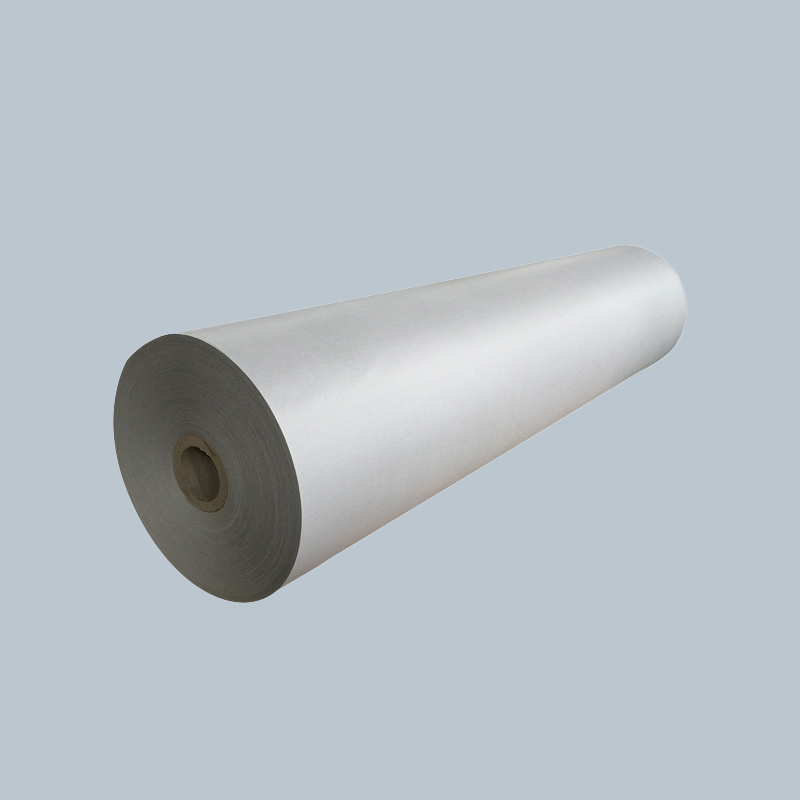
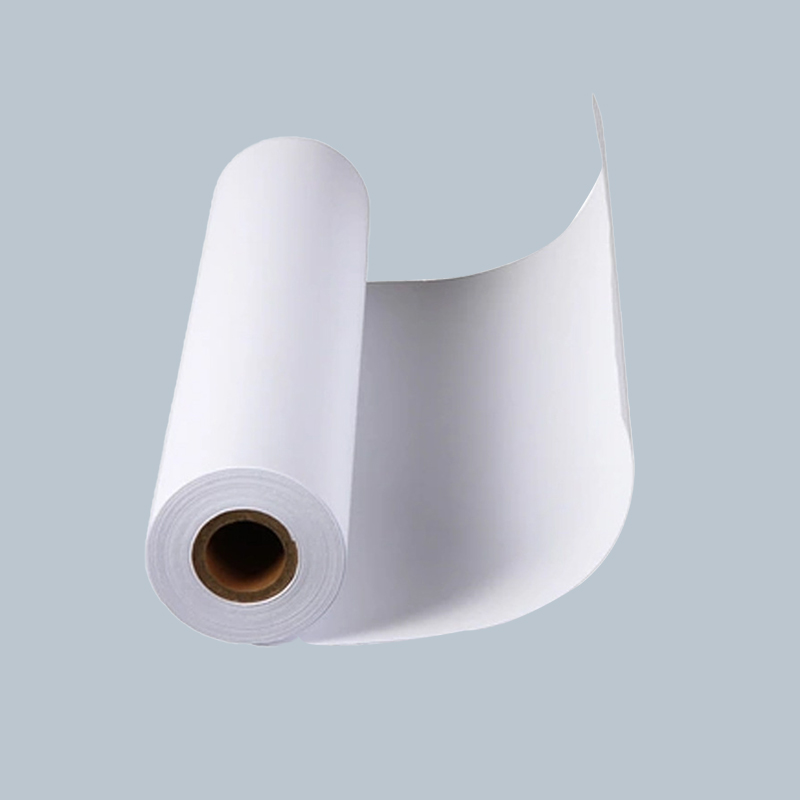
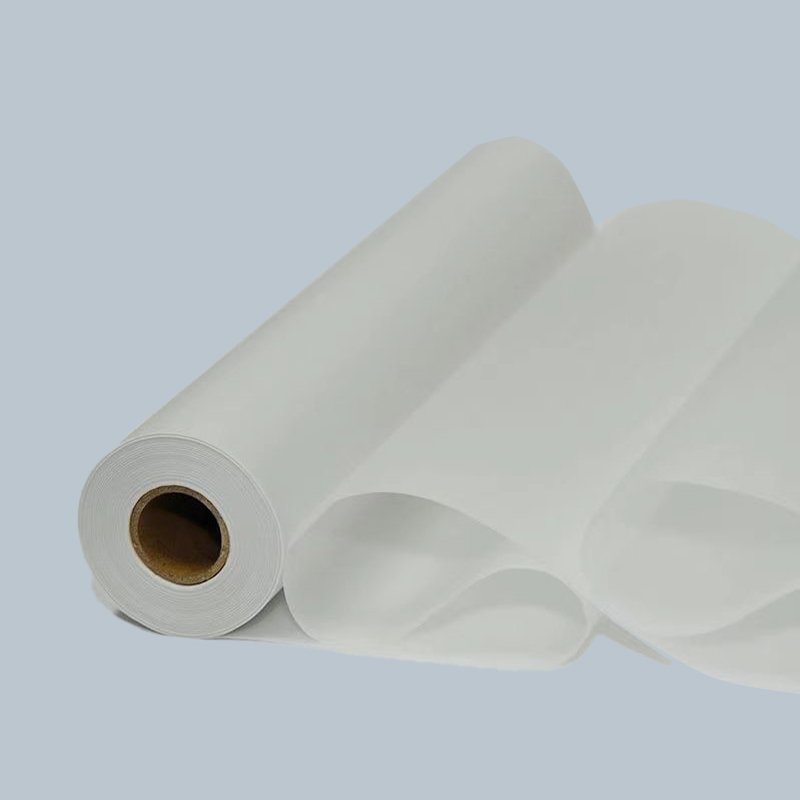
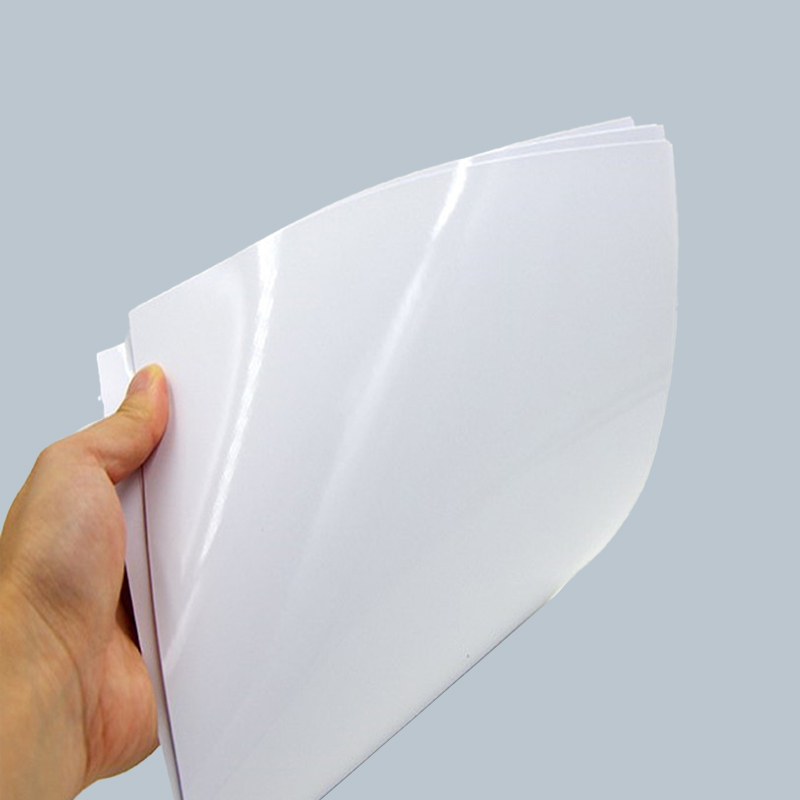
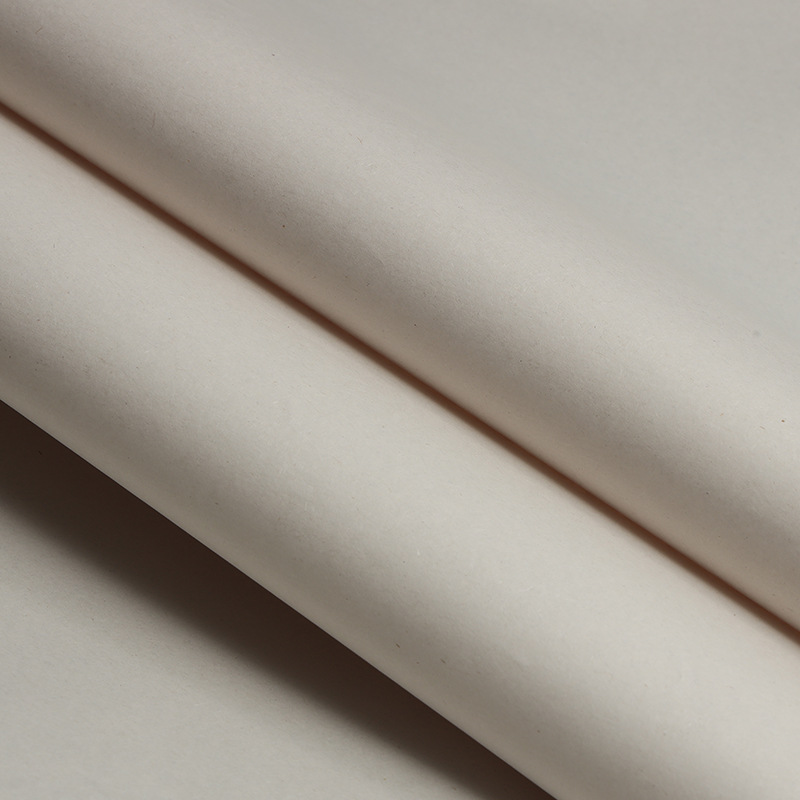
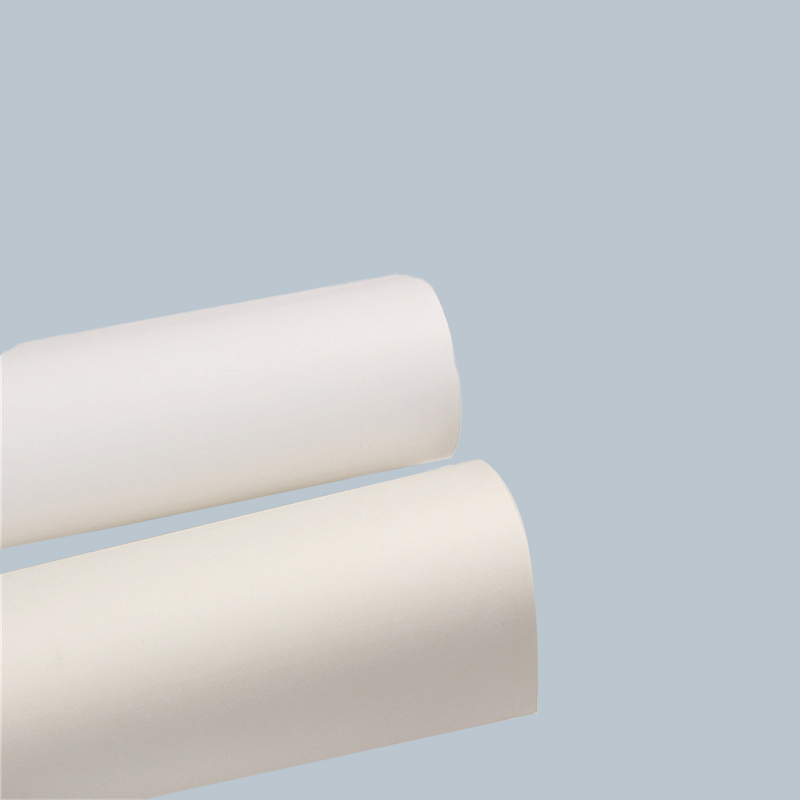
80g recycled cream offset paper is a book-printing substrate manufactured at a basis weight of 80 grams per square meter, produced from recycled fiber content, and tinted with a warm cream or off-white base color rather than the bright white finish common in many commercial printing papers. It is engineered specifically for offset lithographic printing presses, meaning its surface chemistry, moisture content, and fiber bonding are calibrated to handle the ink transfer mechanics, press tension, and drying behavior unique to offset printing rather than digital or inkjet processes. This paper category sits at the intersection of three priorities that book publishers increasingly weigh against one another: reading comfort, environmental responsibility, and print production reliability.
The 80gsm weight places this paper in the mid-range category for book interiors — heavier than the 60g to 70g papers used in mass-market paperbacks where bulk reduction and shipping cost are the top priority, but lighter than the 100g-plus stocks reserved for art books, photography collections, or premium hardcover editions where page rigidity and color reproduction take precedence. This makes 80g cream offset paper one of the most commonly specified weights for novels, textbooks, academic publications, and general trade nonfiction.
Why Cream Tone Matters More Than Most Readers Realize
The decision to tint book paper cream rather than leave it bright white is not a cosmetic afterthought — it is a deliberate choice rooted in visual ergonomics and sustained reading comfort. Bright white papers achieve their brightness through optical brightening agents and high levels of bleaching, which increase the contrast between black text and the page background to a degree that can cause eye strain during long reading sessions, particularly under artificial lighting or in low-light conditions common when reading before bed.
The Science Behind Reduced Eye Fatigue
Cream-toned paper reduces the luminance contrast ratio between the printed text and the page surface. Because the human eye and brain process high-contrast black-on-white text by continuously adjusting focus and pupil response, prolonged exposure to stark white backgrounds during extended reading sessions has been associated with increased reports of visual fatigue, headaches, and reduced reading endurance in published ergonomics literature. Cream paper softens this contrast just enough to remain fully legible while reducing the glare-like effect that bright white stock produces under typical indoor and daylight reading conditions.
Why Publishers Favor Cream for Long-Form Reading
Books intended for sustained, linear reading — novels, memoirs, narrative nonfiction, and academic texts — are precisely the format where reader comfort over hours of continuous engagement matters most. This is why cream and natural-toned offset papers dominate the trade fiction and educational publishing sectors, while bright white stocks remain more common in reference materials, children's picture books with heavy color illustration, and marketing collateral where short-duration visual impact outweighs long-session comfort.
The Role of Recycled Fiber Content in Book Paper
Recycled offset paper incorporates post-consumer or post-industrial fiber that has already completed at least one lifecycle as paper product, reprocessed through pulping, de-inking, and refining stages before being re-formed into new sheets. For book publishing specifically, recycled content delivers both environmental and practical advantages that have made it increasingly standard rather than a niche specialty option.
Environmental Impact Across the Supply Chain
Each tonne of recycled paper production typically requires significantly less virgin timber, water, and energy input compared to producing the equivalent tonne from freshly harvested pulpwood. Publishers increasingly highlight recycled content percentages on book imprints and within sustainability reporting, responding to reader demand and institutional procurement policies — particularly in educational and government publishing contracts — that now frequently specify minimum recycled content thresholds as a condition of vendor selection.
Performance Trade-offs Publishers Should Understand
Recycled fiber is generally shorter and less uniform than virgin pulp fiber, which historically created concerns about reduced tensile strength, increased dust generation during press runs, and lower opacity. Modern recycled offset paper manufacturing has substantially closed this performance gap through improved de-inking technology, fiber blending ratios, and surface sizing treatments, such that a well-manufactured 80g recycled cream offset paper performs comparably to virgin-fiber equivalents on standard offset presses, provided the paper is sourced from an established mill with consistent quality control rather than the lowest-cost recycled stock available.
Key Technical Specifications for Offset Press Compatibility
Selecting 80g recycled cream offset paper for a book printing project requires confirming several technical specifications beyond basis weight and color, since offset lithographic printing places specific demands on paper behavior that other printing methods do not.
| Specification | Typical Value/Range | Why It Matters |
| Basis weight | 80 gsm | Balances page bulk, weight, and durability |
| Opacity | 88–92% | Minimizes text show-through from the reverse side |
| Moisture content | 4–6% | Affects press runnability and curl resistance |
| Surface sizing | Moderate | Controls ink absorption and dot definition |
| Bulk/caliper | ~100–110 µm | Determines final spine thickness for given page count |
| Recycled fiber content | 50–100% | Determines sustainability credentials and cost |
Opacity and Show-Through: Why It's Critical for Double-Sided Text
Opacity measures how effectively a sheet of paper blocks light and printed content from showing through to the opposite side, and it is one of the most important practical specifications for any book printed with text on both sides of every leaf. Low-opacity paper allows the text or images printed on one side of a page to become faintly visible on the reverse side, a defect known as show-through that significantly degrades reading comfort and overall perceived book quality.
At 80gsm, achieving adequate opacity requires careful fiber selection and processing, since lighter-weight papers naturally have less material mass to block light transmission compared to heavier stocks. Quality 80g recycled cream offset paper typically achieves opacity ratings in the high 80s to low 90s percentile range, a level publishers generally consider the minimum acceptable threshold for text-heavy books. Publishers printing dense, small-font academic texts or books with extensive footnotes should request opacity test data directly from their paper supplier rather than assuming all 80g cream stock performs identically, since opacity can vary meaningfully between mills and recycled fiber blends.
Press Runnability Considerations for Printers
From a production standpoint, print shops running 80g recycled cream offset paper through sheetfed or web offset presses need to account for several runnability factors that differ from standard virgin-fiber white stock.
- Dust and Linting Control: Recycled fiber can generate slightly more paper dust during high-speed press runs, making it important to maintain proper press blanket cleaning schedules and verify the paper supplier's fiber refining process minimizes loose fiber fragments.
- Moisture Stability: Maintaining paper stock in a climate-controlled environment before and during the press run prevents curl or cockle that can occur when recycled fiber sheets absorb ambient humidity unevenly.
- Ink Absorption Consistency: Surface sizing on quality cream offset stock should provide even ink holdout across the sheet, preventing the mottled or uneven density appearance that can occur on inconsistently sized recycled papers.
- Binding Compatibility: 80gsm cream offset paper performs reliably with perfect binding, saddle stitching, and case binding methods commonly used in book production, though printers should confirm grain direction aligns with the binding edge to prevent page curl after binding.
Choosing the Right Paper Supplier for Book Printing Projects
Sourcing 80g recycled cream offset paper for a book printing project — whether for a single title or an ongoing publishing program — requires evaluating suppliers on consistency, certification, and technical support rather than price alone. Paper that varies noticeably in shade, opacity, or caliper from batch to batch creates costly production delays and inconsistent finished book quality across print runs of the same title.
Publishers and printers should request Forest Stewardship Council (FSC) or equivalent chain-of-custody certification documentation confirming the recycled content claims, along with physical sample sheets to evaluate cream tone consistency under actual reading light conditions rather than relying on supplier color swatches alone. It is also worth requesting a small test print run before committing to large-volume purchasing, particularly when switching from a previously used paper stock, since even subtle differences in surface sizing or fiber composition can affect how existing prepress color profiles and press settings translate onto the new substrate. Taking these verification steps upfront protects both production timelines and the long-term reading experience that 80g recycled cream offset paper is specifically chosen to deliver.