 English
 عربى
عربى Español


Content
- 1 What Is White Translucent Sulfuric Acid Paper?
- 2 How the Sulfuric Acid Treatment Creates Unique Material Properties
- 3 Key Physical Properties at a Glance
- 4 Primary Uses in Design, Architecture, and Print
- 5 Compatible Media and Tools for Working on Sulfuric Acid Paper
- 6 Practical Tips for Storing and Handling Sulfuric Acid Paper
- 7 Comparing White Translucent Sulfuric Acid Paper to Similar Materials
- 8 Selecting the Right Grade for Your Application
What Is White Translucent Sulfuric Acid Paper?
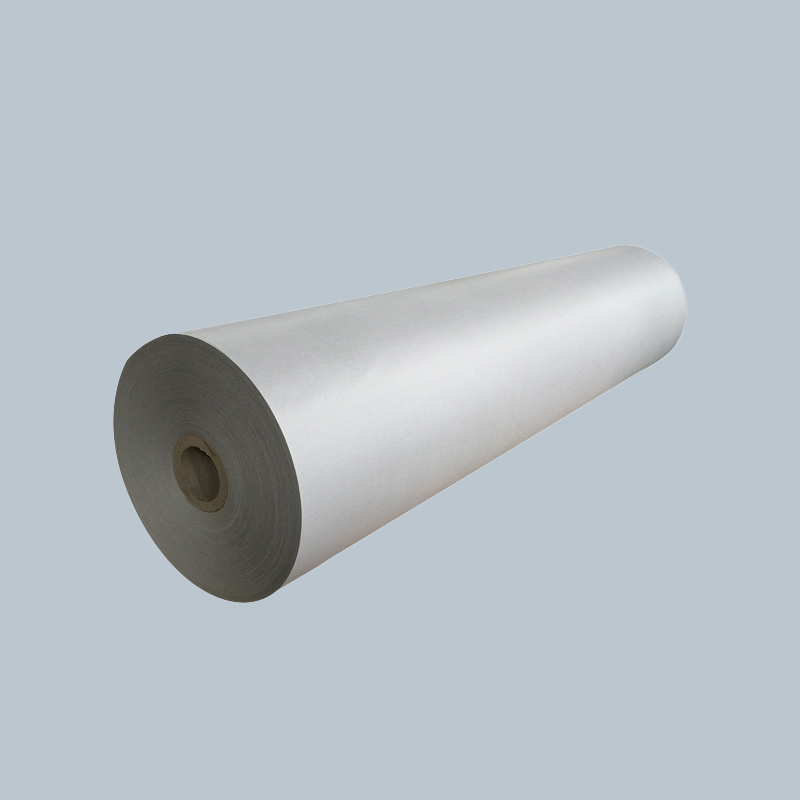
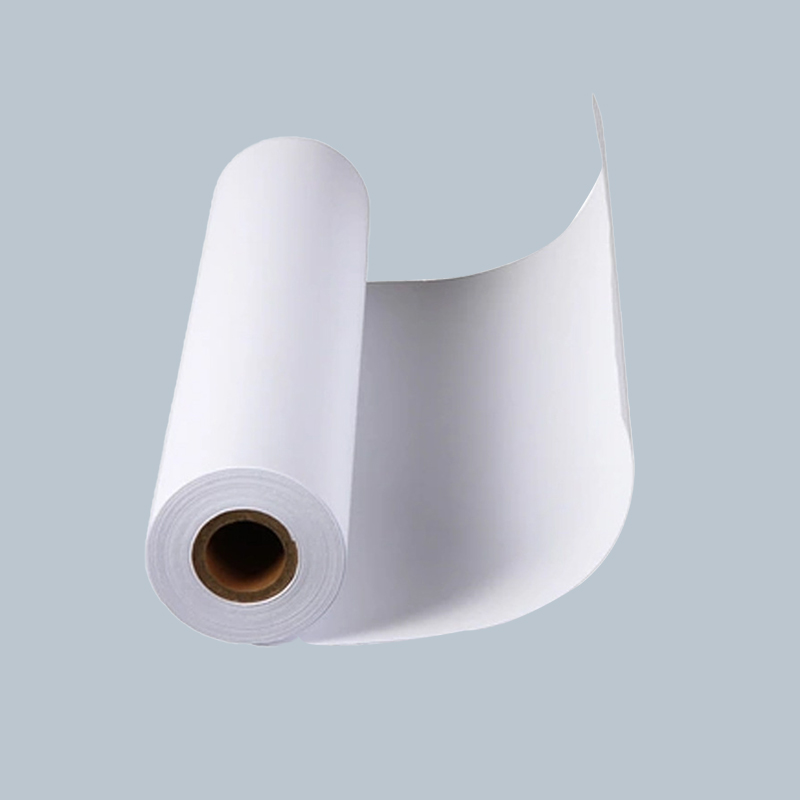
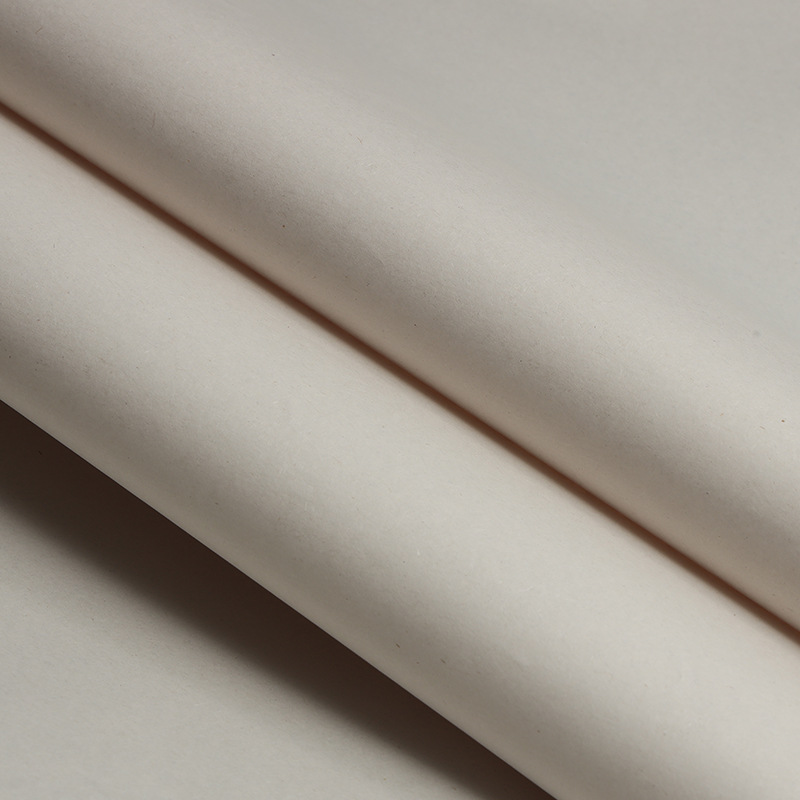
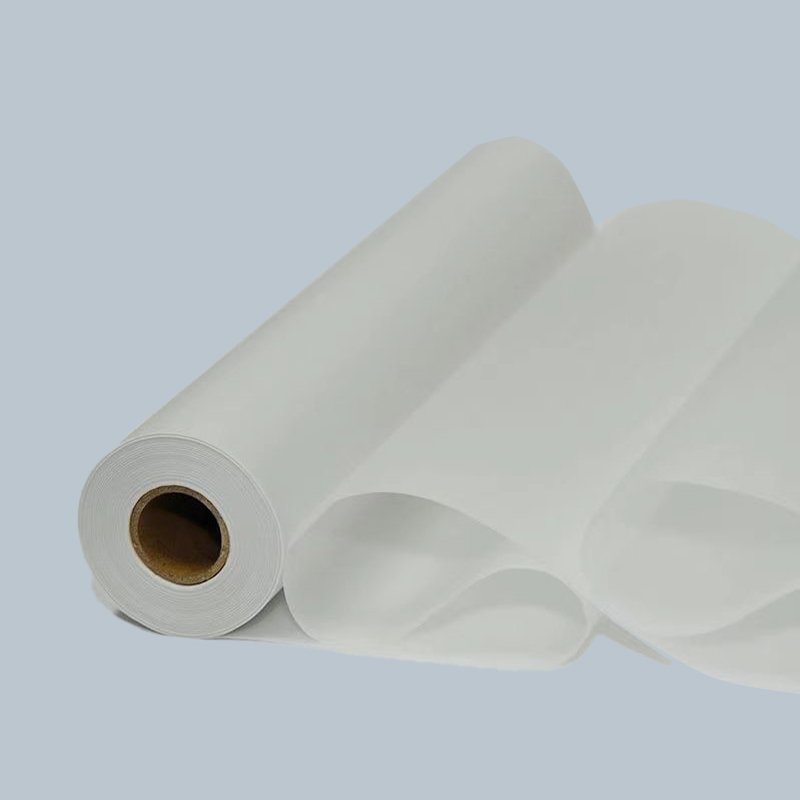
White translucent sulfuric acid paper is a specialty paper produced by treating high-quality wood pulp with concentrated sulfuric acid under precisely controlled conditions. During manufacturing, the acid partially dissolves and then gelatinizes the cellulose fibers, which are subsequently neutralized, washed, and dried into a dense, smooth, and semi-transparent sheet. The result is a paper that bears little resemblance to conventional printing or writing paper — it is significantly stronger, more dimensionally stable, and possesses a distinctive glassine-like translucency that allows underlying images or text to show through clearly.
The "white" designation distinguishes this grade from naturally yellowish or grey parchment-style acid papers. Optical brightening agents and careful bleaching during pulp preparation give the sheet a clean, neutral white base tone, which is essential when the paper is used in contexts where color fidelity matters — such as overlaying printed color references, architectural drawings, or product packaging mockups. Despite its chemical origin, the finished sheet is chemically stable and safe for everyday professional and creative use.
How the Sulfuric Acid Treatment Creates Unique Material Properties
The defining characteristics of sulfuric acid paper all trace back to the acid-gelatinization process. When sulfuric acid contacts cellulose, it causes a localized hydrolysis and swelling of the fiber structure. As the fibers partially dissolve and merge together, air pockets between them are eliminated. This densification is what gives the paper its translucency — light passes through the fused fiber matrix rather than scattering off internal surfaces the way it does in conventional opaque paper.
The bonded fiber matrix also explains the paper's exceptional surface hardness and scratch resistance. Because there is far less free fiber on the surface compared to standard paper, the sheet resists abrasion from repeated pencil erasures, pen strokes, and the rubbing of overlapping layers. This makes it particularly forgiving in iterative design workflows where a drawing may be revised many times before reaching a final state. Additionally, the densified structure reduces moisture absorption, helping the sheet maintain its dimensions in varying humidity — a practical advantage in professional drafting and printing environments.
Key Physical Properties at a Glance
Designers, architects, and print professionals choose white translucent sulfuric acid paper because its properties directly serve their technical requirements. The table below summarizes the most important characteristics of standard commercial grades:
| Property | Typical Specification |
| Basis Weight | 73 g/m² – 110 g/m² (most common grades) |
| Translucency | High — underlying content clearly visible |
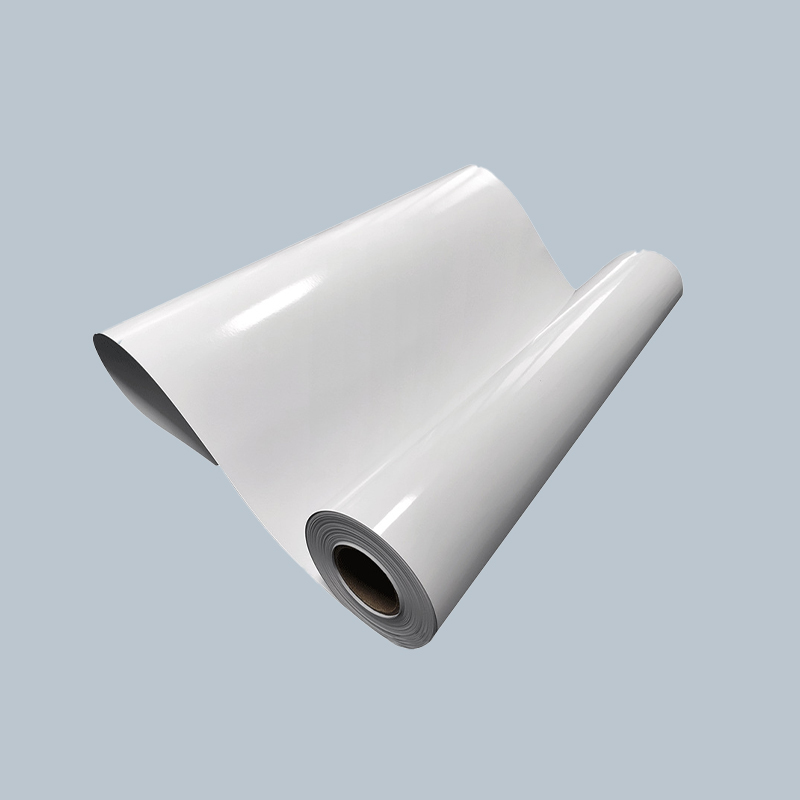
| Surface Finish | Smooth, hard, slightly gloss |
| Scratch Resistance | Excellent — suitable for repeated erasure |
| Dimensional Stability | High — low moisture expansion |
| Tear Resistance | Good — higher than standard paper of equal weight |
| Ink Compatibility | Pen, inkjet, laser (grade-dependent) |
| Color | Neutral white with slight warm or cool tint |
The 73 g/m² weight is the most widely used for hand drafting and tracing because it offers a good balance of translucency and handleability. Heavier grades at 90–110 g/m² provide greater opacity and rigidity, making them better suited for presentation overlays, bookbinding endpapers, and applications where the sheet will be handled frequently without a backing surface.
Primary Uses in Design, Architecture, and Print
White translucent sulfuric acid paper has earned a permanent place in multiple professional disciplines. Its combination of clarity, durability, and workability make it genuinely multifunctional in ways that standard tracing paper or vellum cannot match.
Architectural and Technical Drafting
Before the dominance of CAD software, sulfuric acid paper was the standard substrate for architectural and engineering drawings. Even today, many firms keep it as a working medium for initial concept sketches, site plan overlays, and design iterations. The sheet can be placed directly over a base drawing, allowing the drafter to trace key elements while introducing modifications — walls can be shifted, room layouts reorganized, and structural elements repositioned without redrawing the entire plan. Because the paper resists repeated pencil work and erasing, a single sheet can survive dozens of revision cycles before it needs to be replaced.
Graphic Design and Packaging Mockups
In graphic design studios, white translucent sulfuric acid paper serves as an ideal substrate for layered presentation mockups. A designer can print or hand-render a packaging structure on card stock, then overlay a sulfuric acid paper sheet carrying typography, color blocks, or surface pattern artwork. The translucency allows the underlying structure to remain visible through the overlay, creating a convincing simulation of a finished printed package without committing to a full production print run. This is particularly useful during client review stages when multiple design options are being compared side by side.
Fine Art and Illustration
Artists working in pen-and-ink, technical illustration, and mixed media have adopted sulfuric acid paper for its unique visual character. The translucent quality of the sheet creates a soft, luminous effect when artwork is backlit or placed over colored backgrounds, producing depth that is impossible to achieve on opaque paper. Ink sits crisply on the surface without feathering, which is essential for fine-line technical illustration and calligraphy. Its layering potential also makes it popular in bookbinding and artists' books, where interleaving translucent pages over printed images creates intentional visual effects.
Print Production and Proofing
In commercial print workflows, sulfuric acid paper is used for overlay proofing, registration checking, and color separation verification. A press operator or prepress technician can overlay a printed translucent sheet onto a reference proof to check alignment, trapping, and color placement with precision. The paper's dimensional stability under varying temperatures and humidity in a pressroom environment is a significant operational advantage over less stable tracing papers, which can expand or contract between proof stages and introduce registration errors.
Compatible Media and Tools for Working on Sulfuric Acid Paper
Getting the best results from white translucent sulfuric acid paper requires matching the right media to its dense, low-porosity surface. Not every pen, pencil, or printer ink will perform equally well.
- Technical pens and fineliners: India ink and pigment-based fineliner inks adhere excellently to the surface, producing sharp, consistent lines with no spread. These are the preferred tools for hand drafting and illustration.
- Graphite pencils (2H to 4H): Harder pencil grades work best on the smooth surface, as softer grades can smear and leave graphite deposits that are difficult to erase cleanly. Hard grades produce precise, crisp lines ideal for technical work.
- Laser printers: Many grades of sulfuric acid paper are laser-compatible. The toner fuses well to the dense surface, producing high-resolution output. Always verify the paper's heat tolerance rating before running it through a laser device to avoid curling or jamming.
- Inkjet printers: Standard dye-based inkjet inks may bead or dry slowly on non-treated grades due to the low surface absorption. Inkjet-compatible sulfuric acid paper grades with a specially coated surface are available and produce excellent photographic-quality output.
- Markers and brush pens: Alcohol-based markers perform better than water-based ones, as water-based inks can cause slight surface lifting on some grades. Test on a scrap piece before committing to a full artwork.
- Adhesives: Spray adhesive and double-sided tape work reliably for mounting. Wet glues should be avoided as moisture can cause the sheet to cockle, distorting the image.
Practical Tips for Storing and Handling Sulfuric Acid Paper
Although sulfuric acid paper is more robust than conventional paper, proper handling and storage preserve its quality and prevent issues that can compromise professional work.
- Store flat or in rolls: Sheets should be stored flat in a dry environment away from direct sunlight. If stored in roll form, avoid tight-winding tension, which can cause permanent curl that is difficult to reverse without damaging the sheet.
- Control humidity: While sulfuric acid paper is more dimensionally stable than standard paper, prolonged exposure to high humidity can still cause slight waviness. Store in a controlled environment at 40–60% relative humidity for best results.
- Handle with clean hands or cotton gloves: The smooth surface can show fingerprints and skin oil contamination, which may resist ink adhesion or show through in backlit display applications. Cotton gloves eliminate this issue during artwork preparation.
- Use a cutting mat and sharp blade: Sulfuric acid paper cuts cleanly with a sharp craft knife or rotary cutter on a self-healing mat. Scissors can compress the edge slightly, which may be visible in presentation work. A metal ruler and fresh blade ensure crisp, professional edges.
- Avoid folding where possible: Unlike fabric, sulfuric acid paper does not recover easily from a sharp fold. For transport, roll large sheets loosely or carry them flat in a protective portfolio to avoid crease lines.
Comparing White Translucent Sulfuric Acid Paper to Similar Materials
Understanding how sulfuric acid paper compares to alternative translucent substrates helps professionals make the right material choice for each project.
- vs. Standard tracing paper: Ordinary tracing paper is lighter and less expensive but tears easily, wrinkles with moisture, and does not tolerate repeated erasing. Sulfuric acid paper is significantly more durable and dimensionally stable, justifying its higher cost for professional use.
- vs. Drafting vellum (polyester film): Polyester drafting film is the most dimensionally stable option and is fully waterproof, but it is more expensive, less recyclable, and has a plastic feel that some artists and designers find less pleasant to work with. Sulfuric acid paper offers a more natural paper feel while still delivering excellent stability.
- vs. Glassine paper: Glassine is smooth and translucent but is used primarily as a protective interleaving sheet or food wrap. It lacks the strength and erasability of sulfuric acid paper and is not suitable as a drawing or printing substrate.
- vs. Frosted acetate: Frosted acetate provides a translucent drawing surface but requires specific inks and does not accept pencil well. It is also non-recyclable. Sulfuric acid paper accepts a broader range of media and is biodegradable, making it the more versatile and environmentally responsible choice.
Selecting the Right Grade for Your Application
White translucent sulfuric acid paper is commercially available in several basis weights and surface treatments, and choosing the appropriate grade makes a meaningful difference in the final result. For hand drafting, sketching, and general tracing work, the standard 73 g/m² uncoated grade offers sufficient translucency and a familiar paper feel. For inkjet printing, selecting a specifically coated grade prevents ink beading and ensures color accuracy. For presentation overlays and client deliverables, the 90 g/m² grade provides a more substantial feel that conveys professionalism while retaining adequate translucency. When the sheet will be used in backlit display frames or lightboxes, the lightest available grade maximizes light transmission and creates the most dramatic layering effect. Always request a sample before purchasing in bulk to verify that the specific grade meets the translucency, printability, and surface texture requirements of your particular workflow.