 English
 عربى
عربى Español


Content
- 1 What Is Ivory Board Paper?
- 2 The Core Reasons Behind Its Growing Popularity
- 3 Key Application Areas Driving Demand
- 4 How Ivory Board Compares to Alternative Paperboard Grades
- 5 Sustainability Credentials Supporting Adoption
- 6 Practical Considerations When Specifying Ivory Board Paper
- 7 The Outlook for Ivory Board Paper Demand
What Is Ivory Board Paper?
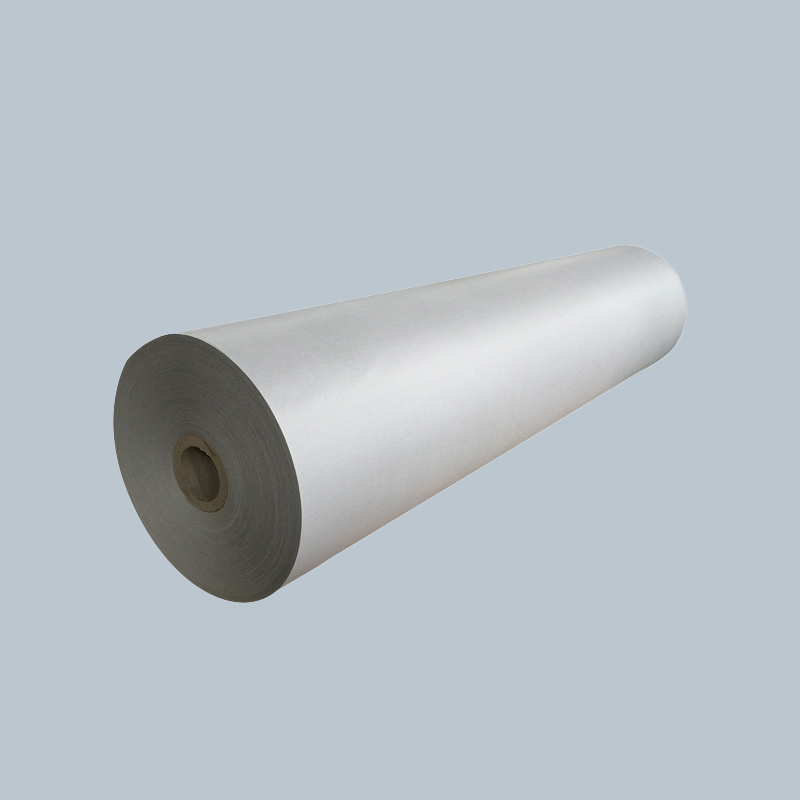
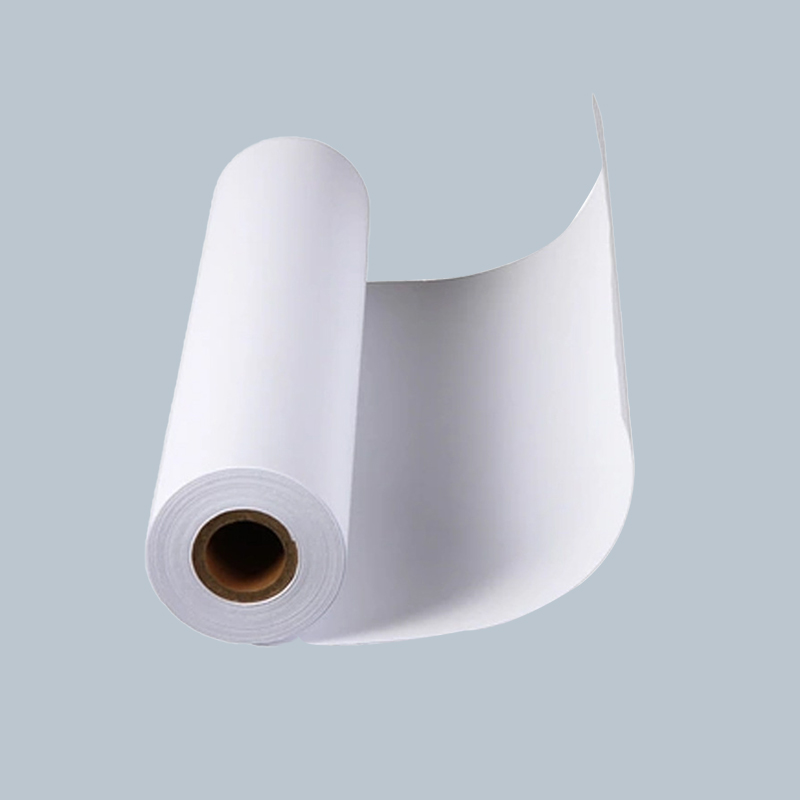
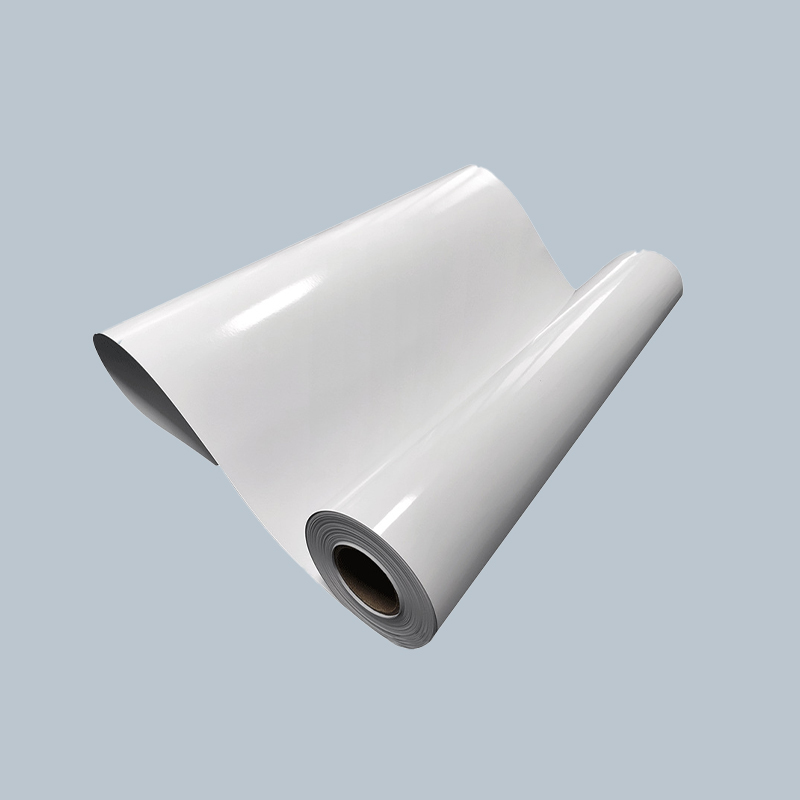
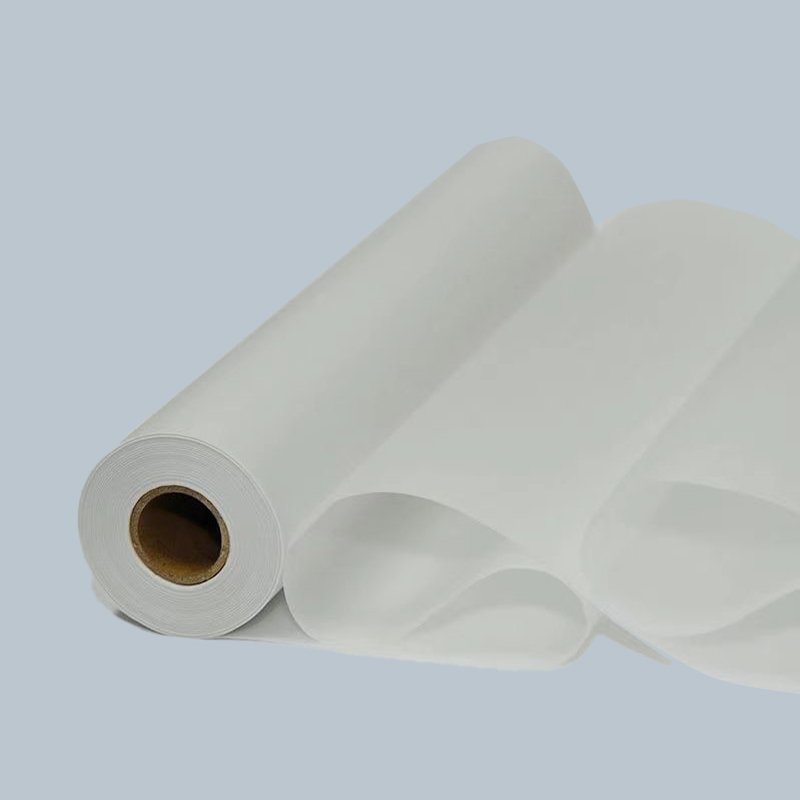
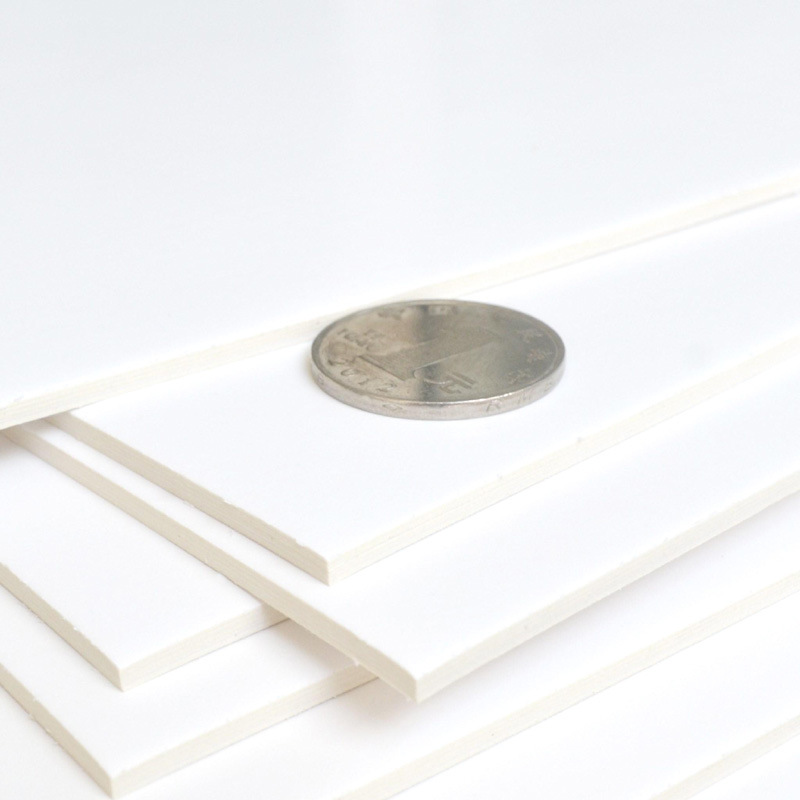
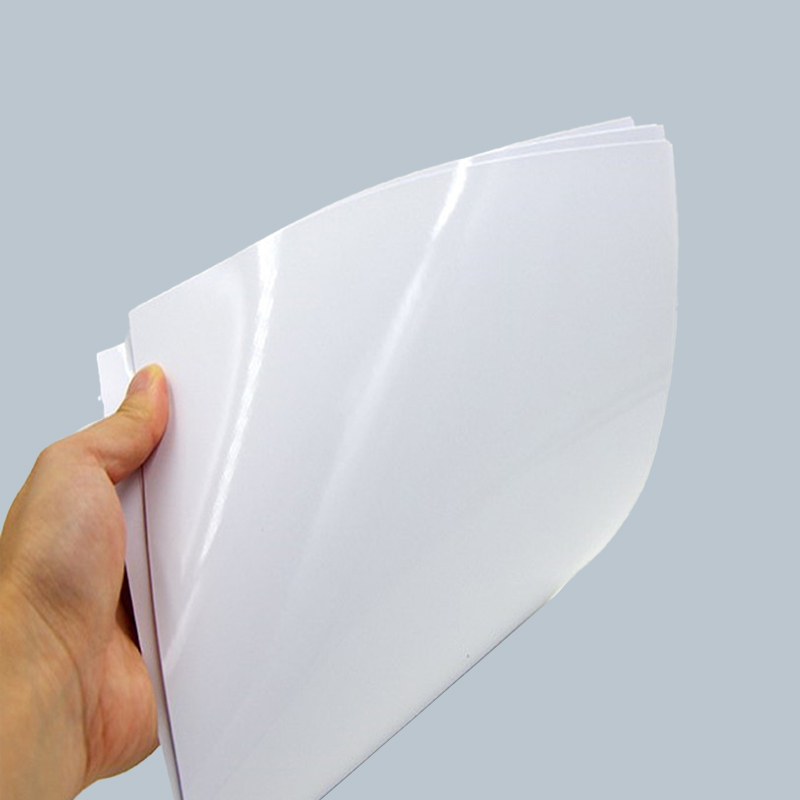
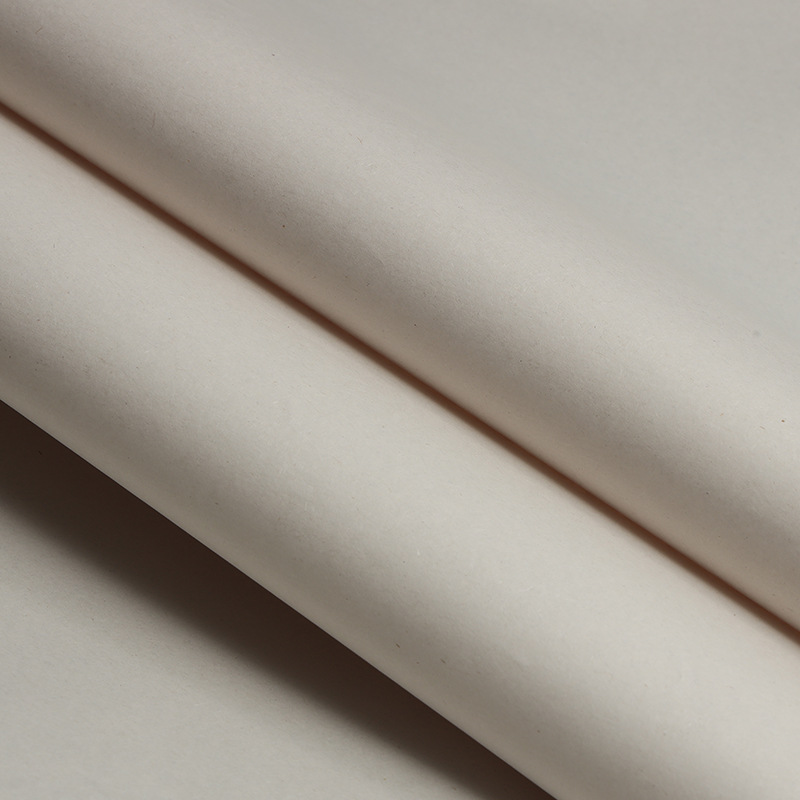
Ivory board paper is a high-quality, multi-ply paperboard characterized by its smooth, cream-white surface, consistent caliper, and excellent printability. It is manufactured by bonding multiple layers of bleached chemical pulp together under heat and pressure, then applying a clay-based coating to one or both sides to create a surface that accepts ink with exceptional sharpness and color fidelity. The result is a stiff, rigid board with a warm, slightly off-white appearance that differs distinctly from the stark, cold white of standard coated papers — a visual and tactile quality that immediately communicates premium value to the end user.
Grammages for ivory board paper typically range from 200 gsm to 400 gsm, making it suitable for applications that require both structural rigidity and a refined surface. The name "ivory board" refers to the characteristic warm tone of the paper surface, which historically evoked the color of natural ivory — a material long associated with luxury goods. Today, the paper achieves this appearance through careful selection of pulp grade, degree of bleaching, and surface coating chemistry rather than any natural colorant, allowing manufacturers to produce consistent, reproducible color across large production runs.
The Core Reasons Behind Its Growing Popularity
Ivory board paper has seen sustained growth in demand across multiple industries over the past decade, and this trend shows no sign of reversing. Several converging factors — spanning consumer preferences, printing technology advancement, sustainability pressures, and brand strategy — are driving this increased adoption. Understanding these drivers clarifies why ivory board paper has moved from a niche premium material to a broadly used substrate across packaging, commercial printing, and specialty applications.
Premium Aesthetic Appeals to Modern Brand Strategy
Brand owners across food and beverage, cosmetics, pharmaceuticals, and consumer electronics have increasingly recognized that packaging is a critical touchpoint in the consumer experience. Research consistently shows that packaging material influences purchasing decisions, with tactile and visual quality signals playing a significant role in perceived product value. Ivory board paper delivers a warm, premium aesthetic that differentiates products on retail shelves without requiring expensive specialty coatings or foil laminations. Its natural-looking cream tone resonates with current design trends toward warmth, authenticity, and understated elegance — qualities that resonate with contemporary consumers who are skeptical of overtly synthetic or industrial-looking materials.
Luxury chocolatiers, specialty coffee roasters, boutique skincare brands, and premium spirits producers have led adoption of ivory board for their folding cartons and retail packaging precisely because the substrate signals craftsmanship and quality before the product is even opened. This halo effect — where premium packaging elevates the perceived quality of the product inside — makes ivory board paper a strategic investment for brand-conscious manufacturers, not merely a materials specification decision.
Superior Printability Across Multiple Technologies
One of the most technically compelling reasons for ivory board paper's growing popularity is its exceptional performance across a wide range of printing technologies. The clay-coated surface provides a smooth, consistent ink-receiving layer that supports high ink holdout — meaning ink stays on the surface rather than being absorbed into the board — producing sharp dot reproduction, vivid color saturation, and precise halftone detail that inferior board grades cannot match.
Ivory board paper performs well across offset lithography, digital printing (both toner-based and inkjet), flexography, and screen printing. In offset printing, the smooth surface allows fine screen rulings of 175 lpi and above to be reproduced without dot gain distortion. In digital printing, the controlled surface energy of the coated board promotes consistent toner adhesion and prevents the mottling or streaking that can occur on rougher or uncoated substrates. This cross-technology compatibility is increasingly important as print service providers invest in hybrid workflows that combine conventional offset for long runs with digital printing for shorter, customized runs on the same substrate.
Key Application Areas Driving Demand
Ivory board paper's growth in popularity is not confined to a single sector — it is being adopted across a broad range of applications, each leveraging a different combination of the material's properties. The following are the most significant application categories currently driving demand growth.
Premium Folding Cartons and Retail Packaging
Folding carton packaging represents the largest single application segment for ivory board paper. The material's combination of rigidity, printability, and surface aesthetics makes it ideal for the outer packaging of cosmetics, pharmaceuticals, confectionery, and consumer goods. Converters can crease, score, and fold ivory board cleanly without surface cracking or fiber tear, producing cartons with crisp, well-defined edges that maintain their shape on retail shelves. The ability to apply varnishes, spot UV coatings, embossing, and hot foil stamping directly to the ivory board surface allows brand owners to create visually complex packaging without laminating additional specialty films, keeping material costs manageable while achieving high-end results.
Business Stationery and Corporate Identity Materials
Business cards, invitation cards, menu cards, certificates, and corporate stationery printed on ivory board paper convey a level of quality and permanence that standard paper stocks cannot match. The weight and stiffness of the board give physical substance to printed communications — a business card printed on 350 gsm ivory board has a rigidity and presence that signals professionalism in a way that a flimsy 90 gsm card does not. The warm cream tone of ivory board also provides a more sophisticated background for typography and design than the flat, neutral white of standard coated papers, giving printed pieces a distinctive character that is immediately recognized as premium.
Book Covers and Publishing
Publishers of premium coffee table books, art catalogues, limited edition publications, and children's books with illustrated covers have long favored ivory board for hardcover and softcover applications. The material provides the structural rigidity needed to protect book contents during handling while offering a printable surface that reproduces full-color photography and illustration with excellent color accuracy. The tactile warmth of the ivory surface also complements the content of art and lifestyle publications in a way that cold-white coated boards do not, creating a more holistic reading and handling experience that reinforces the premium nature of the publication.
How Ivory Board Compares to Alternative Paperboard Grades
To understand why ivory board paper is gaining market share, it is useful to compare it directly against the most common alternative paperboard grades used in similar applications. The table below provides a structured comparison of the key properties and typical use cases.
| Board Grade | Surface Appearance | Printability | Typical Application |
| Ivory Board | Warm cream-white, smooth | Excellent | Premium packaging, stationery, books |
| Folding Box Board (FBB) | Bright white, coated | Excellent | Food, pharma, consumer goods packaging |
| Solid Bleached Board (SBB) | Bright white, high gloss | Excellent | Cosmetics, luxury goods packaging |
| Recycled Board (GD/GT) | Grey back, coated top | Good | General packaging, secondary packaging |
| Uncoated Woodfree Board | Matte white or cream | Moderate | Writing pads, notebooks, office use |
Ivory board occupies a distinctive position in this competitive landscape. While folding box board and solid bleached board can match or exceed its printability, neither delivers the warm ivory tone that has become a signature aesthetic in premium packaging and stationery design. Recycled boards offer cost and sustainability advantages but cannot approach ivory board's surface smoothness or color consistency. This combination of visual warmth, surface quality, and structural performance is what makes ivory board uniquely positioned in the premium segment.
Sustainability Credentials Supporting Adoption
Growing environmental awareness among both consumers and corporate procurement teams has placed sustainability at the center of packaging material selection decisions. Ivory board paper benefits from several meaningful sustainability credentials that are increasingly required by brand owners and retailers as part of their corporate social responsibility commitments.
- Renewable raw material: ivory board is manufactured from wood pulp derived from sustainably managed forests. Leading producers hold Forest Stewardship Council (FSC) or Programme for the Endorsement of Forest Certification (PEFC) chain-of-custody certification, providing documented assurance that the fiber sourcing does not contribute to deforestation or habitat loss.
- Recyclability: ivory board paper is fully recyclable in standard paper recycling streams, unlike multi-layer plastic packaging or plastic-coated boards that require specialized processing. This makes it compatible with the increasingly stringent recyclability requirements being introduced by regulators in the European Union, United Kingdom, and other markets.
- Biodegradability: at end of life, ivory board paper biodegrades naturally in composting conditions, leaving no persistent microplastic residues — a significant advantage over plastic-based packaging alternatives in the context of growing concern about plastic pollution.
- Reduced coating weight trends: advances in coating technology have allowed manufacturers to reduce the total clay coating weight applied to ivory board while maintaining surface smoothness and printability, reducing the mineral content of the finished board and improving its recyclability and repulpability in paper mills.
These sustainability attributes align ivory board paper with the direction of travel in packaging regulation and consumer expectation, making it a strategically sound material choice for brands that need to reduce their packaging environmental impact without compromising on the premium aesthetic that differentiates their products in the market.
Practical Considerations When Specifying Ivory Board Paper
For print buyers, packaging engineers, and designers who are evaluating ivory board paper for a specific project, several practical factors should be assessed during the specification process to ensure that the chosen grade performs as expected in production and in service.
- Grammage and caliper selection: the grammage (gsm) and caliper (thickness in micrometers) of the ivory board must be matched to the structural requirements of the application. Folding cartons for lightweight products may use 230–270 gsm, while rigid gift boxes and thick business cards may require 350–400 gsm. Specifying caliper rather than grammage alone is important because density can vary between manufacturers.
- One-side vs. two-side coating: ivory board is available in single-sided coated (C1S) and double-sided coated (C2S) versions. C1S is standard for packaging applications where only the outer surface is printed, while C2S is used for applications such as menus, cards, and book covers where both sides will carry print or design elements.
- Moisture and humidity sensitivity: like all paperboard, ivory board paper is sensitive to moisture, which can cause warping, cockling, and dimensional instability during printing and converting. Specifying board with consistent moisture content and storing it in controlled humidity conditions before use is essential for maintaining registration accuracy in multicolor printing.
- Compatibility with finishing processes: if the design requires varnishing, lamination, embossing, or foil stamping, the specific ivory board grade must be confirmed compatible with those processes. Not all ivory board grades are suitable for aqueous coating or UV varnish without adhesion or curl issues, and this should be verified with both the board supplier and the finishing equipment operator before committing to a specification.
- Food contact compliance: for packaging that will be in direct contact with food products, the ivory board must comply with applicable food safety regulations, including restrictions on mineral oil aromatic hydrocarbons (MOAH) and mineral oil saturated hydrocarbons (MOSH) that can migrate from recycled fiber content into food. Specifying food-contact compliant ivory board grades with documented regulatory compliance data is essential in this context.
The Outlook for Ivory Board Paper Demand
All indicators point toward continued growth in ivory board paper consumption over the coming years. The combination of premiumization trends in consumer goods packaging, the ongoing substitution of plastic packaging with paper-based alternatives, and the expanding use of digital printing for short-run customized packaging are all structural demand drivers that favor ivory board paper specifically. E-commerce packaging — where the unboxing experience has become a marketing channel in its own right — is emerging as a significant new application segment for premium paperboards including ivory board, as brands seek to replicate the retail shelf premium experience in home delivery contexts.
Manufacturers are responding to this demand growth by investing in capacity expansion and by developing new ivory board grades with enhanced performance characteristics — including improved barrier properties for food packaging applications, better compatibility with water-based digital inkjet printing systems, and reduced environmental footprint through increased use of certified sustainable fiber and cleaner production processes. For designers, brand managers, and packaging engineers, ivory board paper represents a material that is not only meeting current performance and aesthetic requirements but is actively evolving to address the challenges of tomorrow's printing, packaging, and sustainability landscape.