 English
 عربى
عربى Español


Content
- 1 What Is GC1 High Bulk Paper?
- 2 The Structural Composition Behind High Bulk
- 3 Print Quality and Surface Performance
- 4 Stiffness and Structural Integrity
- 5 Converting and Runnability on Press
- 6 Common Applications of GC1 High Bulk Paper
- 7 Sustainability Considerations
- 8 How to Choose the Right GC1 High Bulk Specification
What Is GC1 High Bulk Paper?
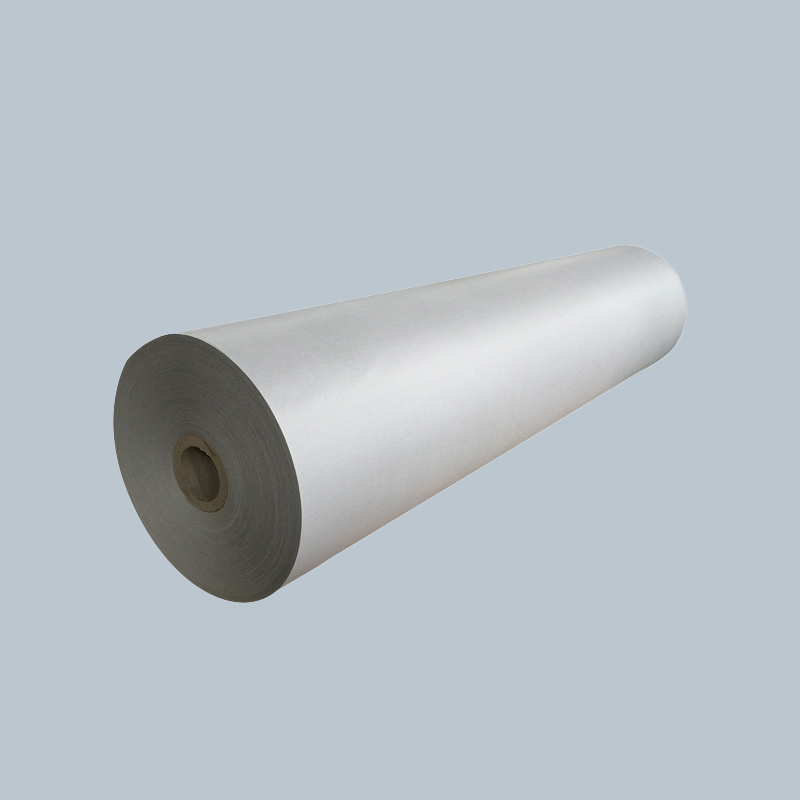
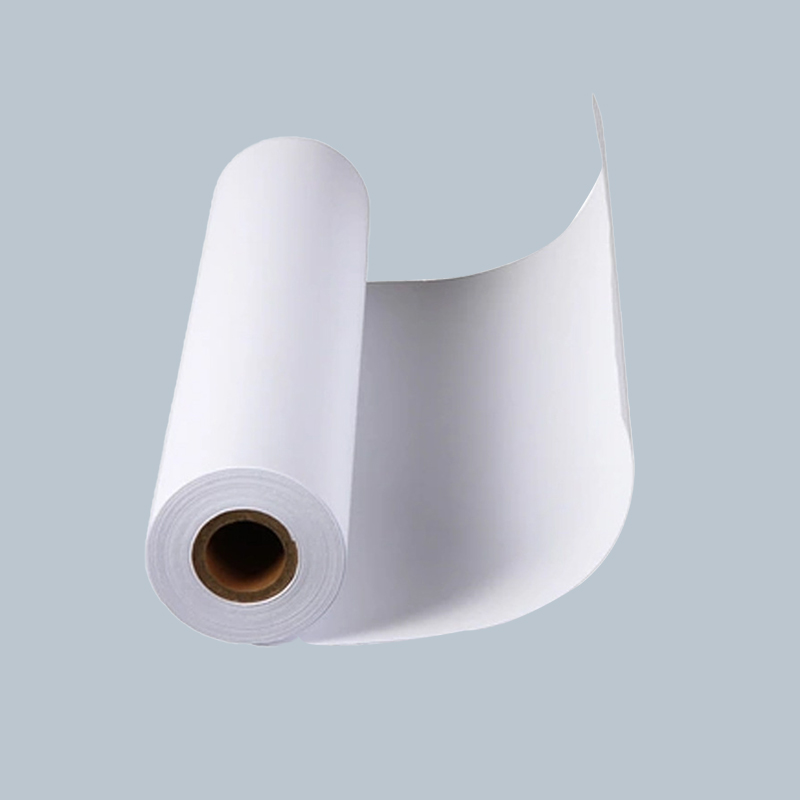
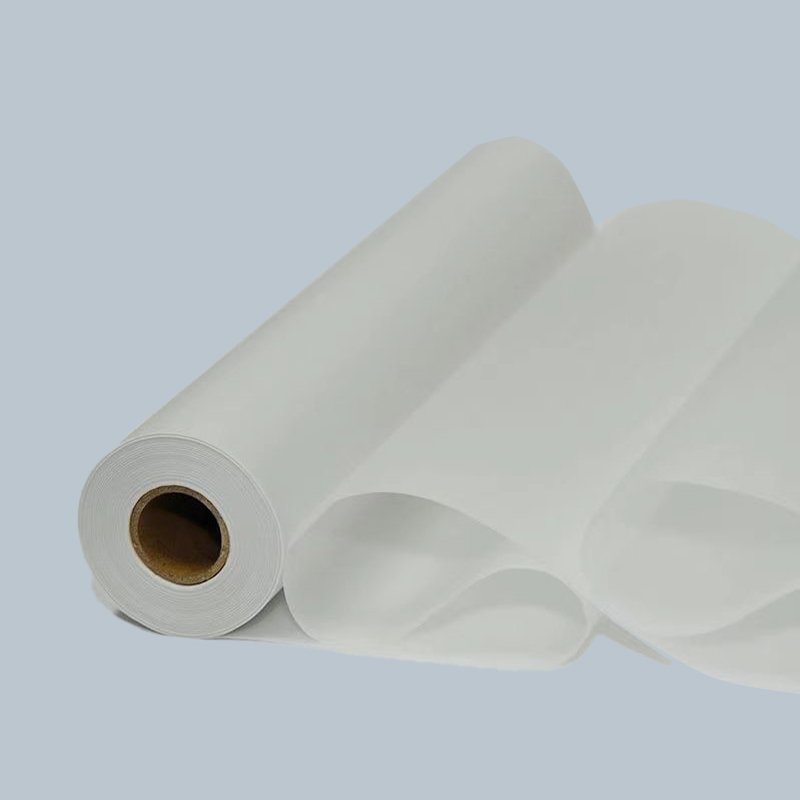
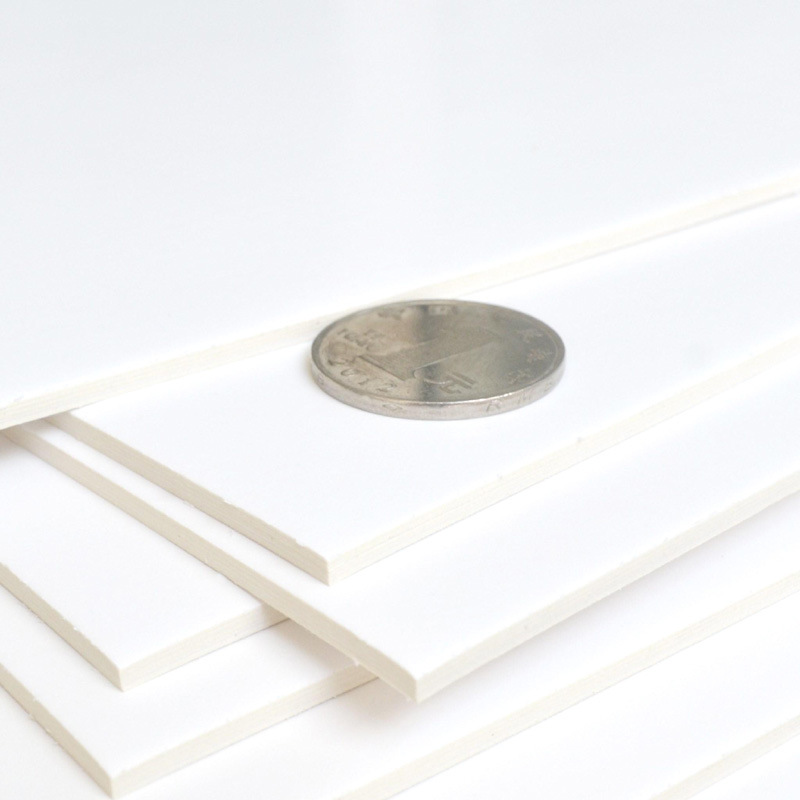
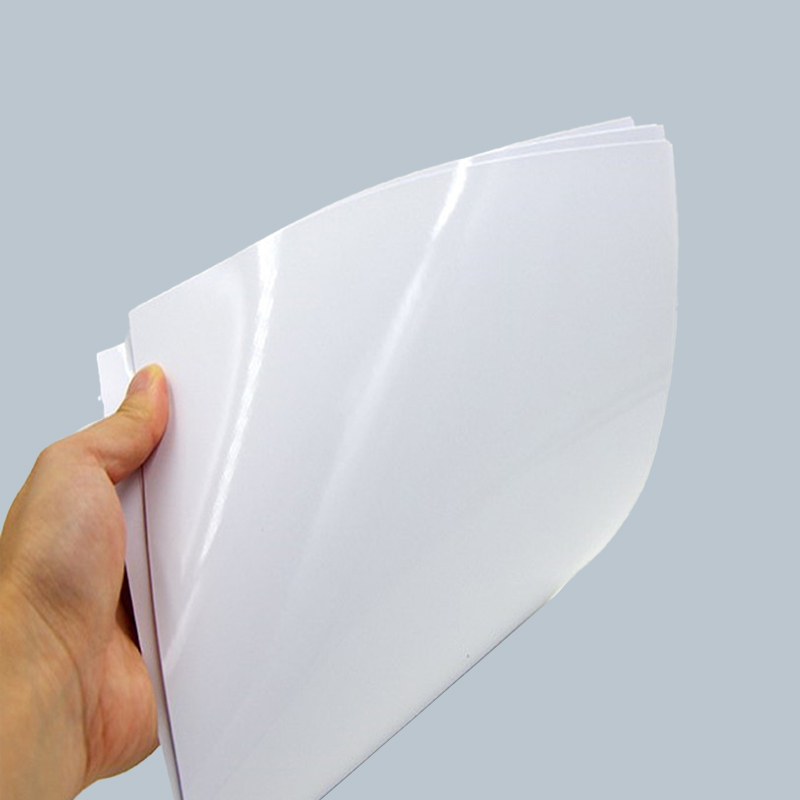
GC1 high bulk paper is a type of coated paperboard that combines a mechanical or chemical pulp core with a coating layer on one side, delivering a product that is both lightweight and structurally rigid. The term "GC" refers to "Coated Woodfree" or "Coated Mechanical" depending on regional classifications, and the "1" designation indicates the highest quality tier within the GC category. "High bulk" describes the paper's characteristic of having a greater thickness relative to its weight—meaning a sheet of GC1 high bulk paper will feel thicker and stiffer than a standard paper of equivalent grammage.
This combination of low weight, high thickness, and coated surface makes GC1 high bulk paper a preferred material in industries where print quality, material efficiency, and structural integrity all need to work together simultaneously. It is widely used in book publishing, commercial printing, food packaging, pharmaceutical cartons, and cosmetic boxes.
The Structural Composition Behind High Bulk
Understanding why GC1 high bulk paper performs the way it does requires a look at how it is manufactured. Unlike standard coated papers, high bulk grades are engineered with a deliberately low-density fiber matrix in the core. This is achieved through specific pulp beating processes that preserve fiber volume rather than collapsing the cell walls, resulting in a fluffy, open fiber network that traps air and resists compression.
The outer surface is then coated—typically with a mineral pigment and binder combination—to create a smooth printing surface without significantly compressing the core. The result is a board that maintains its caliper (thickness) while staying within a low weight range. This engineering approach delivers what papermakers call a high bulk-to-weight ratio, or a high specific volume, measured in cubic centimeters per gram (cm³/g).
Key Structural Properties at a Glance
| Property | Description |
| Bulk (Specific Volume) | Typically 1.4–2.0 cm³/g depending on grade |
| Surface Coating | Single or double-coated on one or both sides |
| Pulp Composition | Bleached chemical pulp (virgin fiber for GC1) |
| Grammage Range | Commonly 150–400 gsm |
| Stiffness | High relative to weight |
Print Quality and Surface Performance
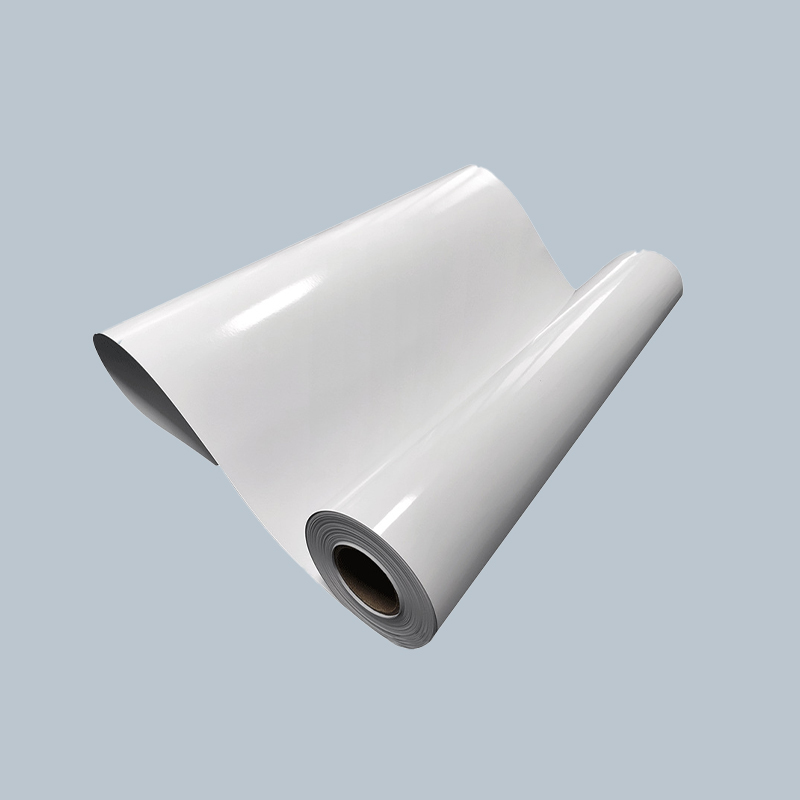
One of the defining features of GC1 high bulk paper is its superior printability. The coated surface provides a uniformly smooth finish that allows printing inks—whether offset, digital, or flexographic—to sit cleanly on the surface rather than absorbing unevenly into the fiber. This produces sharper dot reproduction, more vibrant colors, and crisper text, which is why the material is trusted for high-quality commercial applications such as book covers, folding cartons, and retail packaging.
GC1 boards typically achieve high brightness levels, often exceeding 85 ISO, which enhances the visual pop of printed colors. The coating also improves opacity, ensuring that content printed on one side does not show through to the reverse—an important factor for packaging designs with detailed graphics on multiple panels.
Print Finish Options Compatible with GC1
- Gloss lamination for premium, high-impact packaging
- Matte lamination for a soft-touch, sophisticated appearance
- UV spot varnish to highlight specific design elements
- Aqueous coating for fast drying and scuff resistance
- Embossing and foil stamping for luxury retail applications
Stiffness and Structural Integrity
For packaging applications, stiffness is not a cosmetic property—it is a functional one. Cartons, boxes, and folding cases must resist deformation during stacking, shipping, and shelf display. GC1 high bulk paper achieves excellent stiffness values because the increased caliper directly improves the bending resistance of the board. In engineering terms, stiffness in a flat sheet increases with the cube of its thickness, meaning even a modest increase in caliper produces a disproportionately large improvement in rigidity.
This is a major commercial advantage: a high bulk board at 250 gsm can offer stiffness equivalent to a conventional board at 300 gsm or higher, which allows converters and brand owners to down-gauge their material specification without compromising structural performance. The result is cost savings in both material and transportation, since lighter cartons reduce freight charges.
Converting and Runnability on Press
GC1 high bulk paper is engineered to perform reliably through the full converting chain—from printing and die-cutting to folding, gluing, and finishing. Its dimensional stability means it does not warp or curl excessively when moisture or heat is applied during printing, which is a common problem with lower-quality boards. The fiber uniformity of virgin chemical pulp (which defines GC1 quality) ensures consistent behavior across production runs, reducing waste and press downtime.
When converting folding cartons, GC1 boards crease cleanly without fiber cracking on the outer surface—a critical requirement for cosmetic and pharmaceutical packaging where an intact, visually clean crease line is expected. The coating holds its integrity through the crease, preventing flaking or delamination that could compromise print appearance.
Converting Performance Highlights
- Excellent die-cutting accuracy with minimal fiber tearing
- Clean crease formation suitable for tight folding angles
- Consistent glue bonding on standard folding carton adhesives
- Low dust generation during cutting, protecting press components
- Good dimensional stability under varying humidity conditions
Common Applications of GC1 High Bulk Paper
The versatility of GC1 high bulk paper means it appears across a wide range of industries. Its specific combination of printability, stiffness, and weight efficiency makes it the material of choice wherever a premium visual result and reliable structural performance are both required.
Book Publishing
In book manufacturing, high bulk text papers are used to give books a thicker, more substantial feel without adding significant weight. This is particularly valuable for novels and non-fiction titles where a certain spine width is desirable for shelf presence and readability. Publishers specify high bulk paper to hit a target page count appearance while keeping the overall book weight manageable for readers and postal logistics.
Folding Carton Packaging
GC1 boards are extensively used in folding cartons for pharmaceuticals, cosmetics, food products, and luxury goods. The coated surface supports demanding print and finishing specifications, while the stiffness ensures cartons hold their shape on retail shelves and through distribution. The food-safe characteristics of virgin fiber GC1 also make it suitable for direct food contact applications where regulations require high purity fiber.
Commercial Printing and Promotional Materials
Brochures, catalogues, book covers, and premium point-of-sale materials frequently use GC1 high bulk paper. The material delivers the crisp image reproduction required for brand-sensitive print marketing, and its rigidity gives printed pieces a premium tactile quality that communicates quality to the end recipient.

Sustainability Considerations
GC1 high bulk paper sourced from certified sustainable forests (FSC or PEFC certified) is an environmentally responsible material choice. Because high bulk grades allow brand owners to achieve the same structural result with less material by weight, they inherently support efforts to reduce resource consumption per unit of packaging produced. Fewer grams of board per carton means lower raw material use, lower energy in production, and reduced transportation emissions.
Additionally, GC1 board is fully recyclable within standard paper and board recycling streams, and its virgin fiber content makes it highly suitable for applications where food safety and hygiene standards rule out recycled fiber options. For brands balancing sustainability commitments with regulatory compliance in food and pharmaceutical markets, GC1 high bulk offers a practical, responsible solution.
How to Choose the Right GC1 High Bulk Specification
Selecting the correct GC1 high bulk paper specification requires balancing several variables: the required end-use stiffness, the print process being used, the finishing techniques planned, and any regulatory requirements for food or pharmaceutical contact. Working with a paper merchant or board supplier early in the design process allows specifiers to match the bulk value, grammage, and coating type to the application's exact demands.
- For book publishing: Prioritize bulk value (aim for 1.6–2.0 cm³/g) and opacity to prevent show-through between pages.
- For folding cartons: Focus on bending stiffness, crease behavior, and coating suitability for the intended finishing process.
- For food packaging: Verify food-contact compliance and select grades with appropriate barrier coatings if required.
- For premium print: Match the coating gloss level (matte, silk, or gloss) to the visual quality standard required by the brand.
- For sustainability targets: Request certified chain-of-custody documentation and ask suppliers about the carbon footprint per tonne of board produced.
GC1 high bulk paper is not a single fixed product but a family of grades, and understanding the specific performance parameters for each application ensures the final choice delivers the best balance of quality, efficiency, and cost across the entire production and supply chain.