 English
 عربى
عربى Español


Content
- 1 What Is Greyboard
- 2 Key Properties That Define Greyboard Quality
- 3 Primary Uses of Greyboard Across Industries
- 4 What Is Offset Paper
- 5 Offset Paper Grades and Weight Ranges
- 6 Woodfree Offset vs. Mechanical Offset Paper
- 7 How Greyboard and Offset Paper Work Together in Production
- 8 Sourcing Considerations and What to Check Before Ordering
Greyboard is a thick, dense paperboard made primarily from recycled paper pulp, used as a rigid structural material in bookbinding, packaging, and stationery manufacturing. Offset paper is an uncoated printing paper with a slightly textured surface, treated to accept ink evenly without bleeding, and used extensively in books, notepads, and commercial print work. While both materials belong to the broader paper and board industry, they serve completely different roles in production: greyboard provides structural rigidity and form, while offset paper provides a printable surface for text and images. This article explains what each material is, how it is made, what properties define it, and where it is used, so buyers, designers, and manufacturers can make informed sourcing decisions.
What Is Greyboard
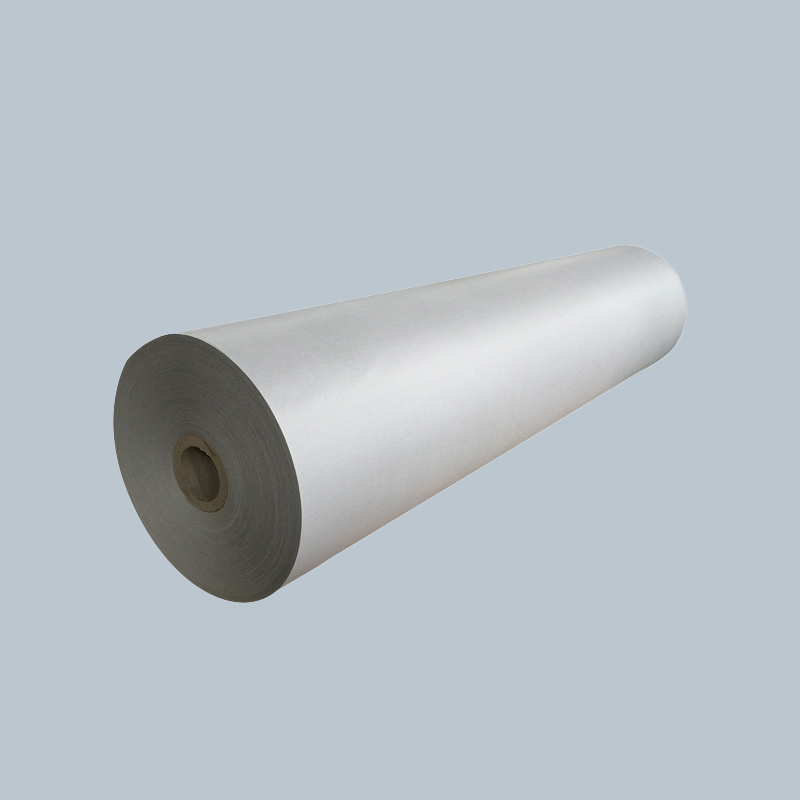
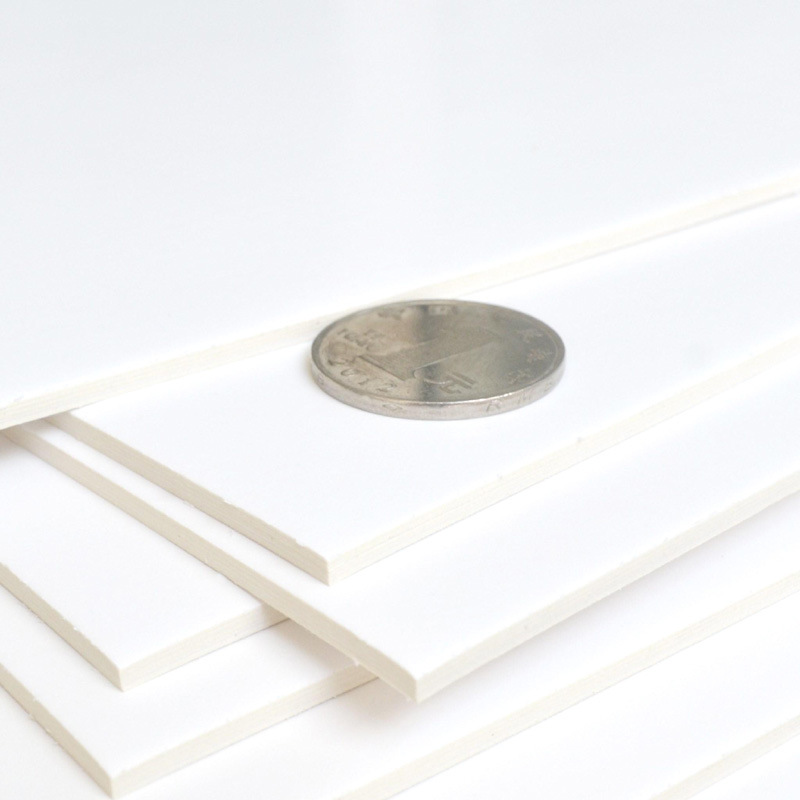
Greyboard, also written as grey board and sometimes called chipboard or bookbinding board, is a rigid, heavyweight paperboard produced by pressing together multiple layers of recycled paper fiber under high heat and pressure. The result is a dense, flat, grey-colored board with a smooth surface on one or both sides and a characteristic grey cross-section throughout its thickness. Its defining properties are high rigidity, dimensional stability, and resistance to bending, which make it the structural backbone of a wide range of manufactured goods.
The grey color is a direct result of the manufacturing process. Because greyboard is made from mixed recycled fibers with no bleaching or color treatment, the natural color of the compressed pulp is a mid to dark grey. This appearance is not a quality defect but a defining characteristic of the material. In applications where the board surface will be covered by paper, fabric, or laminate, the grey color has no visual impact on the finished product.
How Greyboard Is Made
Production begins with the collection and pulping of mixed recovered paper, including old newspapers, cardboard, office waste paper, and industrial paper offcuts. The pulp is processed in a wet state and layered onto forming wires in multiple passes. Each pass deposits a thin layer of fiber that bonds to the layer beneath it as water is removed. The layered web is then pressed between heavy rollers and dried under tension to produce a board with consistent thickness and caliper across the full production width, which typically ranges from 1,000 to 2,000 mm depending on the manufacturing line.
The multi-layer construction is what gives greyboard its exceptional stiffness relative to its weight. A single-layer board of the same thickness would have significantly lower rigidity because the inter-layer bonding in a multi-ply structure distributes stress more effectively across the board's cross-section. This is the same structural principle used in engineered timber and laminated composites.
Greyboard Thickness and Weight Specifications
Greyboard is typically specified by thickness in millimeters rather than by grammage, because its primary function is structural and its thickness determines its rigidity. Standard commercially available thicknesses range from 0.5 mm to 4.0 mm, with increments of 0.1 mm or 0.5 mm depending on the supplier. The most commonly used thickness ranges by application are:
- 0.5 to 1.0 mm: Thin greyboard used for lightweight packaging inserts, card backing, and small stationery items such as notepads and sketchbook covers.
- 1.5 to 2.5 mm: The most widely used range for hardcover book cases, presentation folders, premium gift box panels, and ring binder covers.
- 3.0 to 4.0 mm: Heavy-duty greyboard specified for museum-quality archival boxes, large format portfolio cases, and industrial packaging applications requiring maximum rigidity.
Grammage for greyboard typically falls in the range of 700 to 3,000 gsm depending on thickness and density. A standard 2.0 mm greyboard sheet used in bookbinding runs approximately 1,400 to 1,600 gsm, which is 10 to 15 times the weight of a standard office printing paper.
Key Properties That Define Greyboard Quality
Not all greyboard performs equally. Significant variation in quality exists between manufacturers, and the right grade must be matched to the application. The following properties are the most practically important when specifying or sourcing greyboard.
Flatness and Caliper Consistency
For any application requiring precision assembly, such as hardcover bookbinding or rigid box construction, flatness is critical. Greyboard that is not flat will cause warping in the finished product, particularly when adhesive is applied to one side and the board absorbs moisture asymmetrically. Quality greyboard suppliers specify a flatness tolerance of no more than 2 to 3 mm deviation per 500 mm of board length. Caliper consistency, meaning uniform thickness across the sheet, should be within plus or minus 5% of nominal thickness for bookbinding grades and plus or minus 3% for precision packaging.
Density and Rigidity
Density, measured in grams per cubic centimeter, correlates directly with rigidity. Higher-density greyboard resists bending more effectively but is also heavier and more difficult to cut cleanly with hand tools. Bookbinding-grade greyboard typically has a density of 0.9 to 1.1 g per cubic centimeter. Industrial-grade boards used in heavy packaging can reach 1.2 to 1.3 g per cubic centimeter. Lower-density boards below 0.8 g per cubic centimeter tend to delaminate under stress and are not suitable for structural applications.
Moisture Content and Dimensional Stability
Because greyboard is made from recycled cellulose fibers, it is hygroscopic: it absorbs and releases moisture in response to changes in ambient humidity. This causes dimensional changes, particularly in the board's planar dimensions. A greyboard panel stored at 50% relative humidity and then moved to a 70% humidity environment can expand by 0.3 to 0.8% in each dimension before reaching equilibrium. For hardcover books and precision boxes, this is why acclimatizing greyboard to the production environment before cutting and laminating is standard practice in quality manufacturing.
| Grade | Thickness Range | Density | Typical Application | Surface Finish |
|---|---|---|---|---|
| Standard | 1.0 to 2.0 mm | 0.85 to 0.95 g per cc | General packaging, folders | One side smooth |
| Bookbinding | 1.5 to 3.0 mm | 0.95 to 1.10 g per cc | Hardcover book cases, portfolios | Two sides smooth |
| Premium | 2.0 to 4.0 mm | 1.05 to 1.20 g per cc | Rigid gift boxes, luxury packaging | Two sides very smooth, tight caliper tolerance |
| Industrial | 2.5 to 4.0 mm | 1.10 to 1.30 g per cc | Heavy-duty protective packaging | One or two sides, rough acceptable |
Primary Uses of Greyboard Across Industries
Greyboard's combination of rigidity, low cost, and availability in a wide range of thicknesses makes it one of the most versatile structural materials in paper-based manufacturing. Its applications span multiple industries and product categories.
Bookbinding and Publishing
Greyboard is the material used to construct the front and back covers of every traditionally bound hardcover book. In case-bound bookbinding, two panels of greyboard are cut to the required dimensions, joined by a spine piece, and wrapped with a covering material such as cloth, paper, or synthetic fabric. The greyboard provides the structural stiffness that gives a hardcover book its characteristic rigidity and longevity. A standard hardcover novel typically uses greyboard panels of 2.0 to 2.5 mm thickness, while large-format art books and reference volumes may use 3.0 mm board to support the greater page weight.
Rigid Box and Premium Packaging
Rigid set-up boxes, used for luxury goods including watches, jewelry, electronics, and premium confectionery, are constructed from greyboard wrapped with decorative paper or fabric. Unlike folding carton boxes that are assembled from a single scored and folded blank, rigid boxes are built by wrapping separate panels of greyboard and joining them at the corners. The result is a box that cannot be collapsed and that communicates permanence and quality. The global rigid box market is closely tied to the premium consumer goods sector, where the packaging is considered part of the product experience. Greyboard thicknesses of 1.5 to 2.5 mm are standard for most rigid box panels.
Stationery and Office Products
Lever arch files, ring binders, notepad backings, sketchbook covers, and desk organizers all rely on greyboard as their structural core. In lever arch files, the greyboard spine and cover panels are laminated with PVC or decorative paper to produce the finished product. In spiral-bound notebooks and sketchbooks, a thin greyboard backing sheet prevents the pages from bending and provides a stable writing surface. The stationery segment is one of the highest-volume end markets for standard-grade greyboard in the 0.5 to 1.5 mm range.
What Is Offset Paper
Offset paper is an uncoated printing paper manufactured specifically for use in offset lithographic printing, with a surface treatment that controls ink absorption and prevents ink from spreading beyond its intended boundaries. The term offset refers to the printing process the paper is designed for, in which ink is transferred from a printing plate to a rubber blanket cylinder and then offset (transferred again) onto the paper surface. The paper must have the right combination of surface texture, ink absorbency, and dimensional stability to receive ink uniformly and maintain register across multiple color passes.
Despite its name, offset paper is now widely used beyond traditional offset presses and is a common substrate for digital printing, wide-format inkjet printing, and laser printing wherever an uncoated, matte, natural-feel paper is required. Its defining characteristic is its uncoated surface, which gives printed text a softer, less reflective appearance compared to coated papers, and makes it more comfortable to read in extended-use applications like books, reports, and educational materials.
How Offset Paper Is Made
Offset paper is produced from chemical wood pulp, typically kraft pulp or sulphite pulp, which is processed to remove lignin and other impurities that would cause the paper to yellow over time. The pulp is beaten to the required freeness level, which controls fiber bonding and determines the paper's porosity and printing surface. The wet paper web is formed on a Fourdrinier or twin-wire machine, pressed, and dried before undergoing surface sizing.
Surface sizing is the critical step that distinguishes offset paper from other uncoated papers. A solution of starch or synthetic sizing agent is applied to the paper surface using a size press or film press, penetrating the top fiber layer and sealing the surface pores to a controlled degree. This reduces ink penetration to a level where ink sits at or near the surface rather than being absorbed entirely into the paper body, producing sharper dot reproduction and better ink density. Without surface sizing, uncoated paper would absorb ink too aggressively, resulting in print that appears gray and washed out.
Brightness, Whiteness, and Opacity
Offset paper is characterized by three optical properties that directly affect its suitability for different printing applications. Brightness measures the paper's reflectance of blue light on a scale of 0 to 100 and is expressed as ISO brightness. Standard offset paper typically has a brightness of 80 to 92 ISO, with premium offset grades reaching 96 ISO. Higher brightness makes printed colors appear more vivid and increases text contrast.
Whiteness measures overall reflectance across the visible spectrum and is influenced by whether optical brightening agents (OBAs) have been added during manufacturing. Papers treated with OBAs appear very white under daylight-type illumination but may appear slightly yellowish under incandescent light, which can be a concern for color-critical printing applications. Opacity, measured as a percentage, indicates how much light passes through the sheet. Offset paper opacity typically ranges from 88 to 96%, with higher opacity essential for double-sided printing to prevent show-through from the reverse side.
Offset Paper Grades and Weight Ranges
Offset paper is available across a wide range of grammages, and selecting the appropriate weight is as important as the paper grade itself. The grammage determines the paper's bulk, stiffness, opacity, and feel, all of which affect the finished print product.
| Grammage (gsm) | Character | Typical Use | Double-Sided Print Suitability |
|---|---|---|---|
| 60 to 70 gsm | Lightweight, economical | Mass-market paperbacks, high-volume text books | Acceptable with high-opacity grade |
| 80 gsm | Standard weight | Office printing, notepads, reports | Good |
| 90 to 100 gsm | Medium weight, good feel | Quality books, corporate stationery, manuals | Very good |
| 120 to 140 gsm | Heavyweight, substantial | Covers, dividers, premium brochures | Excellent |
| 160 to 200 gsm | Board-weight, stiff | Postcards, single-sheet covers, display print | Excellent |
A commonly used specification in book publishing is 80 gsm woodfree offset at 90 ISO brightness with a minimum opacity of 90%. This combination delivers clean, legible text printing with minimal show-through, which is the baseline requirement for a double-sided book interior.
Woodfree Offset vs. Mechanical Offset Paper
Offset paper is divided into two major categories based on the pulp used in its manufacture: woodfree offset and mechanical offset. This distinction has significant implications for the paper's longevity, appearance, and suitability for different applications.
Woodfree Offset Paper
Despite its name, woodfree offset paper is made from wood. The term woodfree refers to the absence of mechanical wood pulp in the furnish. It is produced from chemically processed (kraft or sulphite) pulp in which the lignin has been removed from the wood fibers. Lignin is the compound responsible for paper yellowing: as it oxidizes over time and under UV exposure, it turns the paper progressively yellow and brittle. By removing lignin during chemical pulping, woodfree offset paper resists yellowing significantly longer than mechanical papers, making it the preferred choice for books, archival documents, and any application where long-term appearance matters.
Woodfree offset is also more dimensionally stable under varying humidity conditions, which is important for multi-color offset printing where registration accuracy across successive print passes is essential. High-quality woodfree offset can maintain registration accuracy within 0.1 mm across a full print run under controlled print room conditions, which is the standard required for precise four-color process work.
Mechanical Offset Paper
Mechanical offset paper, also known as improved newsprint or groundwood offset, is produced from mechanical pulp in which wood fibers are separated by grinding rather than chemical treatment. This process retains the lignin in the fiber, producing a lower-cost paper with higher bulk (more volume per unit weight) but inferior permanence. Mechanical offset papers yellow noticeably within 2 to 5 years when stored under normal conditions, and more rapidly when exposed to light or humidity fluctuations.
The primary application for mechanical offset is mass-market printing where cost is the primary driver and longevity is not critical, such as free newspapers, promotional flyers, telephone directories, and low-price paperback books. The higher bulk of mechanical offset also makes it useful for producing thick books with a lighter paper weight, a technique used in some mass-market fiction to achieve a substantial book feel at low material cost.
How Greyboard and Offset Paper Work Together in Production
In many finished products, greyboard and offset paper are used together in a complementary relationship. Understanding how they interact is useful for anyone involved in book production, packaging design, or stationery manufacturing.
In hardcover book manufacturing, offset paper forms the text block pages and is also used as the cover-wrapping paper that is laminated over the greyboard panels to create the finished case. The offset paper selected for case-wrapping must have sufficient caliper to conceal the greyboard surface texture and enough dimensional stability to resist warping when adhesive is applied. A 100 to 140 gsm woodfree offset is typically used for this purpose, often with a gloss or matte surface coating applied over the print to protect the book case from handling abrasion.
In rigid gift box production, offset paper printed with the brand design is laminated to the greyboard panels before the box is assembled. The paper must conform smoothly to the greyboard surface without bubbling or delaminating at the edges and corners, which requires selecting a paper with appropriate flexibility and a compatible adhesive system. Papers in the 80 to 128 gsm range are most commonly used for this application, with heavier papers used where the design includes areas of heavy ink coverage that could cause cockling on thinner substrates.
In stationery products such as notepads and journals, offset paper is used for the interior pages while greyboard provides the cover and backing. The selection of the internal offset paper weight affects the product's perceived quality directly: a notepad with 80 gsm woodfree offset interior pages feels substantially more premium than one with 60 gsm mechanical offset, even if the covers are identical. Many stationery buyers who specify product quality in their briefs will define the minimum acceptable interior paper as 80 gsm woodfree offset at 85 ISO brightness or above.
Sourcing Considerations and What to Check Before Ordering
Whether sourcing greyboard, offset paper, or both, the following checklist addresses the most common specification gaps that lead to material performance problems in production.
- Request a material data sheet. A reputable supplier will provide a technical data sheet specifying grammage, caliper or thickness, brightness, opacity, surface sizing type, moisture content at delivery, and tensile strength. Any supplier unable to provide this information should be treated with caution.
- Order physical samples before committing to a production quantity. Greyboard flatness and caliper consistency can only be assessed by handling the material directly. Offset paper brightness and surface feel are also perceptual properties that data sheets cannot fully communicate.
- Confirm grain direction for your application. Both greyboard and offset paper have a machine direction (grain direction) in which the fibers are predominantly aligned. For bookbinding, grain direction must run parallel to the spine; if it runs perpendicular, the board and pages will resist opening and the finished book will tend to spring shut. Always specify grain direction relative to the longest dimension of the cut sheet.
- Check moisture content at delivery. Greyboard delivered at high moisture content will shrink after acclimatizing to a lower-humidity production environment, causing distortion in finished products. Moisture content should be declared at delivery and should typically be between 6 and 9% for greyboard and 4 and 6% for woodfree offset paper.
- Verify recycled content and environmental certifications for greyboard. Most greyboard is produced from 100% recycled fiber, but the recycled content and chain-of-custody certifications (such as FSC Recycled) vary between suppliers. This is increasingly relevant for brands making environmental claims about their packaging.