 English
 عربى
عربى Español


Content
- 1 Paper Pulp Material: The Foundation of Every Sheet
- 2 Bleached Wood Pulp: Why Whiteness Matters
- 3 Solid Bleached Sulfate Board: Premium Packaging's Foundation
- 4 Coatings for Paper and Board Packaging
- 5 What Is Matte Paper? Matte Cover vs. Matte Text
- 6 What Is Carbonless Paper and No Carbon Required (NCR) Paper?
- 7 Is Copier Paper the Same as Printer Paper?
- 8 Moisture in Paper: Why It Matters More Than Most Buyers Realize
- 9 Certified Paper: What Forest Certifications Mean in Practice
- 10 Standard Tissue Paper Size and Its Packaging Applications
Paper is far more varied than it appears on a shelf or in a printer tray. From the bleached wood pulp that forms its foundation to the surface coatings, certifications, and chemical treatments that define its final performance, every paper grade exists for a reason. Whether you're sourcing packaging board, choosing between matte and coated stock, or figuring out what carbonless paper actually does — understanding how paper is made and classified makes every purchasing and specification decision clearer.
Paper Pulp Material: The Foundation of Every Sheet
All paper begins with paper pulp material — a suspension of cellulose fibers in water that is formed into sheets, dried, and processed into the grades we recognize. The source and treatment of those fibers determine virtually every property of the finished sheet: brightness, strength, opacity, printability, and longevity.
The dominant raw material globally is wood, sourced from two main tree types. Softwood species (pine, spruce, fir) yield longer fibers — typically 2–4mm — that interlock well during sheet formation, producing stronger, more tear-resistant papers. Hardwood species (eucalyptus, birch, maple) produce shorter fibers (0.7–1.5mm) that pack more densely, creating smoother, more uniform surfaces better suited to printing and writing papers.
Non-wood fibers — cotton, sugarcane bagasse, bamboo, and hemp — are used in specialty papers. Cotton fiber paper (sometimes called rag paper) is used for currency, archival documents, and premium stationery because of its exceptional durability and resistance to aging. Bamboo pulp is increasingly used in eco-positioned consumer tissue and packaging products due to its rapid regrowth cycle.
Mechanical vs. Chemical Pulp
Wood is converted to pulp by two main processes. Mechanical pulping grinds wood against a stone or refiner disk, retaining most of the lignin (the binding compound in wood). This produces high-yield pulp — up to 95% of the wood becomes fiber — but lignin causes the paper to yellow and weaken over time. Newsprint and low-cost printing paper typically use mechanical pulp.
Chemical pulping — primarily the kraft (sulfate) process — uses chemical solutions to dissolve the lignin and extract purer cellulose fibers. Yield is lower (40–55% of the wood), but the resulting pulp is far stronger, more stable, and suitable for higher-grade papers and packaging boards. Most printing papers, coated stocks, and premium packaging use kraft chemical pulp.
Bleached Wood Pulp: Why Whiteness Matters
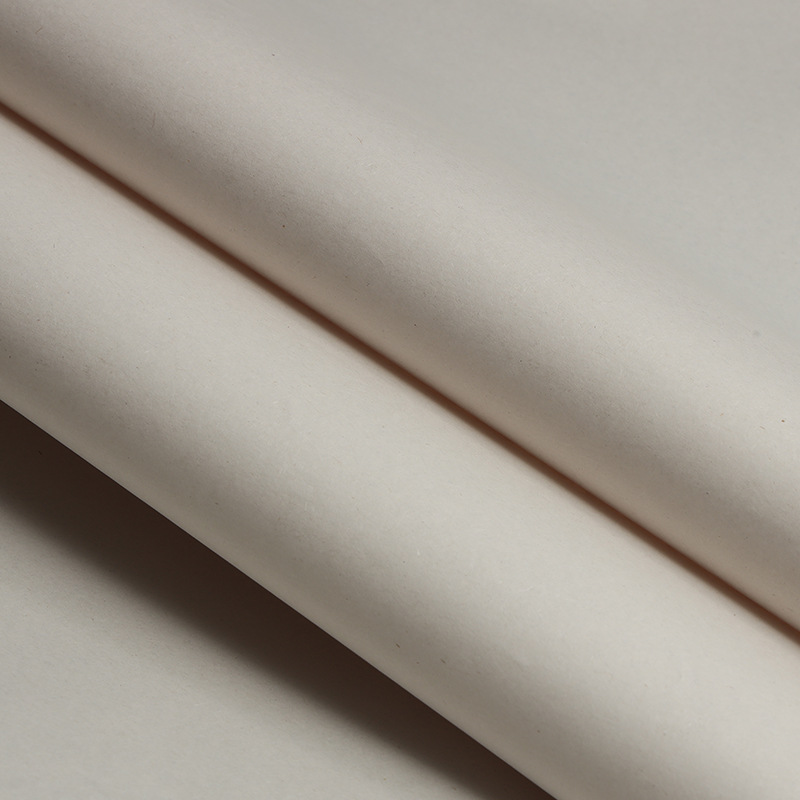
Unbleached kraft pulp is brown — the familiar color of kraft paper bags and cardboard boxes. To produce white printing papers and bright packaging boards, the pulp must be bleached. Bleached wood pulp undergoes a multi-stage chemical process to remove residual lignin and chromophores (color-producing compounds), raising the pulp's brightness from roughly 25–35% ISO (unbleached) to 85–92% ISO (fully bleached).
Modern bleaching has moved away from elemental chlorine, which produces harmful organochlorine byproducts. The current standards are:
- ECF (Elemental Chlorine Free): Uses chlorine dioxide instead of elemental chlorine. The most widely used method globally, producing minimal dioxin byproducts while achieving high brightness. Over 90% of bleached kraft pulp worldwide is now produced ECF.
- TCF (Totally Chlorine Free): Uses only oxygen, ozone, and hydrogen peroxide. Preferred by environmentally positioned brands but can be more costly and may yield slightly lower brightness.
- PCF (Processed Chlorine Free): Applied to recycled fiber papers — no chlorine compounds used in the recycled fiber processing, though the virgin fiber content of the original paper may have been bleached conventionally.
The distinction matters both environmentally and technically — bleaching method affects not just the paper's environmental footprint but also its long-term stability, as residual lignin in under-bleached pulp continues to yellow with UV exposure.
Solid Bleached Sulfate Board: Premium Packaging's Foundation
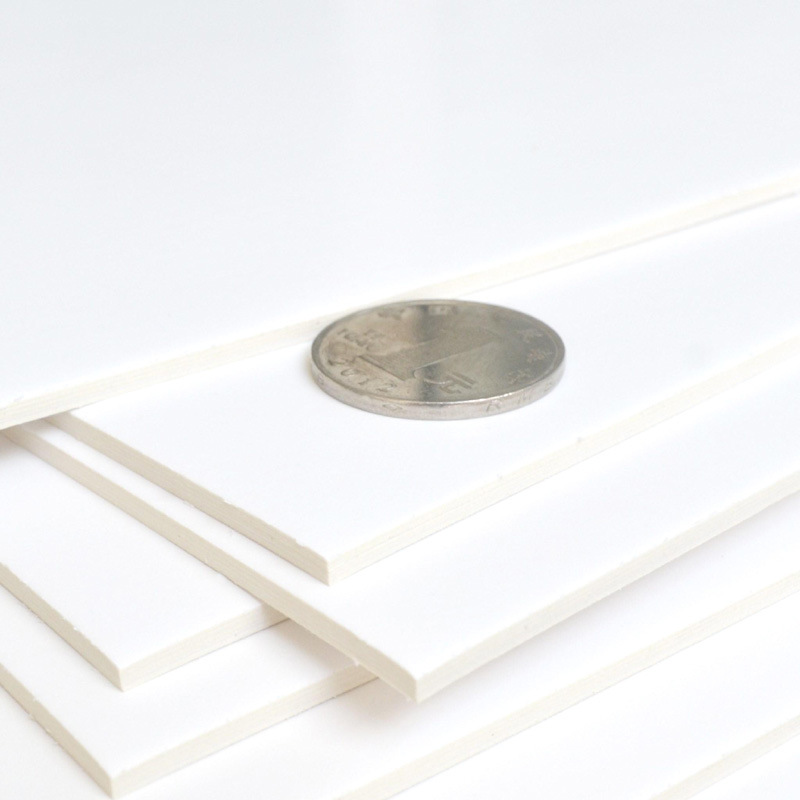
Solid bleached sulfate board (SBS) is a premium paperboard grade made entirely from bleached chemical (sulfate/kraft) pulp — no mechanical pulp, no recycled fiber in the structural layers. The result is a board with exceptional brightness, purity, and printability that forms the backbone of high-end consumer packaging.
SBS board is typically coated on one or both sides with clay or other mineral coatings to create a smooth, printable surface. It is the standard substrate for:
- Folding cartons for food, pharmaceuticals, cosmetics, and personal care products
- Aseptic liquid packaging (juice boxes, milk cartons) where the white interior surface must meet food-contact standards
- Frozen food packaging where stiffness at low temperatures is critical
- Premium retail packaging for electronics, luxury goods, and gift boxes
SBS is produced in caliper ranges typically from 14pt to 24pt (0.014" to 0.024"), with basis weights ranging from approximately 60 to 120 lb. Its all-virgin-fiber construction makes it significantly stiffer per unit weight than recycled-content boards of equivalent thickness, which is why it's preferred for carton structures that require precise folding and reliable stacking strength.
| Board Grade | Fiber Content | Surface | Typical Use |
|---|---|---|---|
| SBS (Solid Bleached Sulfate) | 100% virgin bleached kraft | Coated white both sides | Food, pharma, premium cartons |
| SUS (Solid Unbleached Sulfate) | 100% virgin unbleached kraft | Brown / kraft appearance | Beverage carriers, fast food |
| CRB (Coated Recycled Board) | Recycled fiber core | Coated white top | Cereal boxes, general retail |
| FBB (Folding Box Board) | Virgin mechanical + chemical | Coated white | Cosmetics, confectionery |
Coatings for Paper and Board Packaging
Surface coatings transform the base paper or board into a functional packaging material. Coatings for paper and board packaging serve two broad purposes: improving print quality and surface aesthetics, and adding functional properties like moisture resistance, grease resistance, or heat-sealability.
Print-Oriented Coatings
Clay coating (kaolin or calcium carbonate) is the most widely applied surface treatment on printing papers and packaging boards. A single coating layer fills surface irregularities in the base sheet, while double and triple coating builds a progressively smoother, more uniform surface. Triple-coated SBS board can achieve surface smoothness (Sheffield Smoothness) values below 50 units, enabling high-resolution flexographic, offset, and digital printing.
The gloss level of the coating is controlled by calendering (mechanical polishing) and the coating chemistry: high-gloss coatings reflect more than 70% of incident light (measured at 75°); matte coatings reflect less than 20%, producing the characteristic flat, non-reflective surface associated with premium and natural aesthetics.
Functional Barrier Coatings
For food and beverage packaging, barrier coatings are essential for protecting contents and maintaining structural integrity:
- Polyethylene (PE) extrusion coating: A thin layer of PE laminated to SBS board creates the heat-sealable, moisture-resistant inner surface of liquid cartons, cup stock, and frozen food packaging. LDPE is most common; HDPE is used where greater stiffness or chemical resistance is needed.
- Water-based barrier coatings: Dispersion coatings based on styrene-acrylate or PVOH (polyvinyl alcohol) provide grease, oil, and moderate moisture resistance without the recyclability complications of PE lamination — a key sustainability advantage.
- Wax coating: Traditional coating for moisture resistance on produce boxes and specialty packaging. Being phased out in favor of polymer alternatives in many applications due to recycling challenges.
- Aluminum foil lamination: Provides an oxygen and light barrier for coffee, snack, and pharmaceutical packaging. Significantly increases barrier performance but complicates recyclability.
What Is Matte Paper? Matte Cover vs. Matte Text
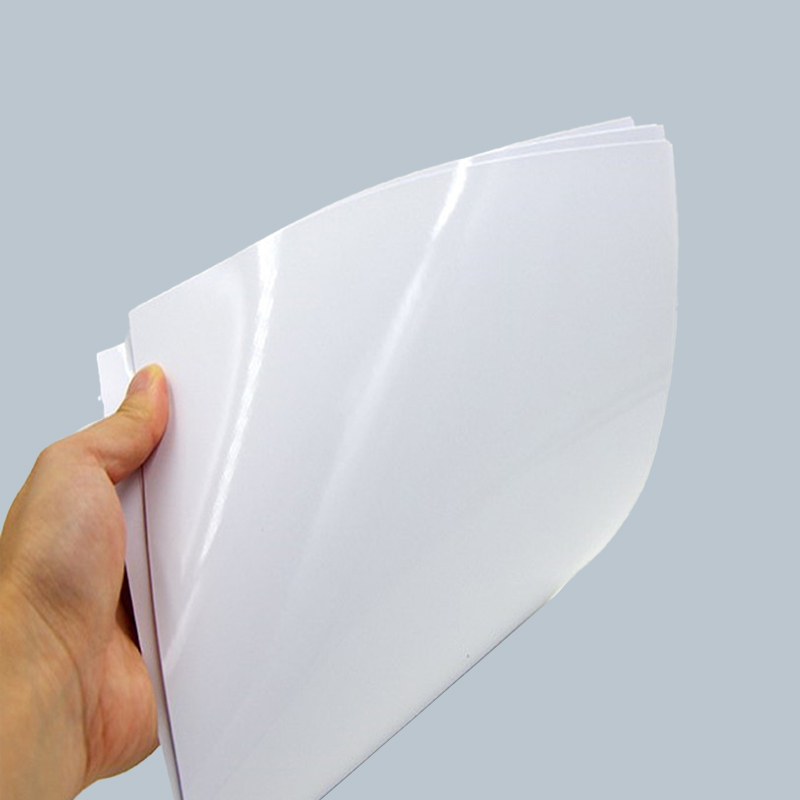
"Matte" in paper describes a surface finish that diffuses rather than reflects light — the result is a non-glare, flat appearance that is visually softer than gloss-coated stock. What is paper matte? It is a coated paper where the surface coating has been applied without the high-pressure calendering that produces gloss, leaving a fine, lightly textured surface that absorbs ink without allowing it to spread (as it would on uncoated stock) but without the mirror-like reflectivity of a gloss coating.
What Is Matte Cover Paper?
Matte cover paper is a heavier-weight matte-coated stock — typically ranging from 60 lb cover to 120 lb cover (162–325 gsm) — used for book covers, brochure covers, business cards, postcards, and product packaging inserts. The "cover" designation indicates weight category, not a specific product: cover stock is roughly 2.5 times the weight of text stock at the same numerical basis weight due to the different sheet size used for measurement.
Matte cover is particularly popular in premium print applications because it accepts offset and digital printing inks cleanly while minimizing glare for the reader — making it easier to read text-heavy designs in bright environments. It also holds embossing, foil stamping, and soft-touch lamination better than gloss surfaces in many applications.
| Finish | Gloss Level (75°) | Best For | Weakness |
|---|---|---|---|
| Gloss coated | >70% | Photo reproduction, vivid color | Glare; harder to read text |
| Silk / satin | 35–60% | Balanced color and readability | Less dramatic than full gloss |
| Matte coated | <20% | Text-heavy designs, premium feel | Less vibrant color pop |
| Uncoated | <10% | Writing, letterhead, natural look | Ink spreads; lower resolution |
What Is Carbonless Paper and No Carbon Required (NCR) Paper?
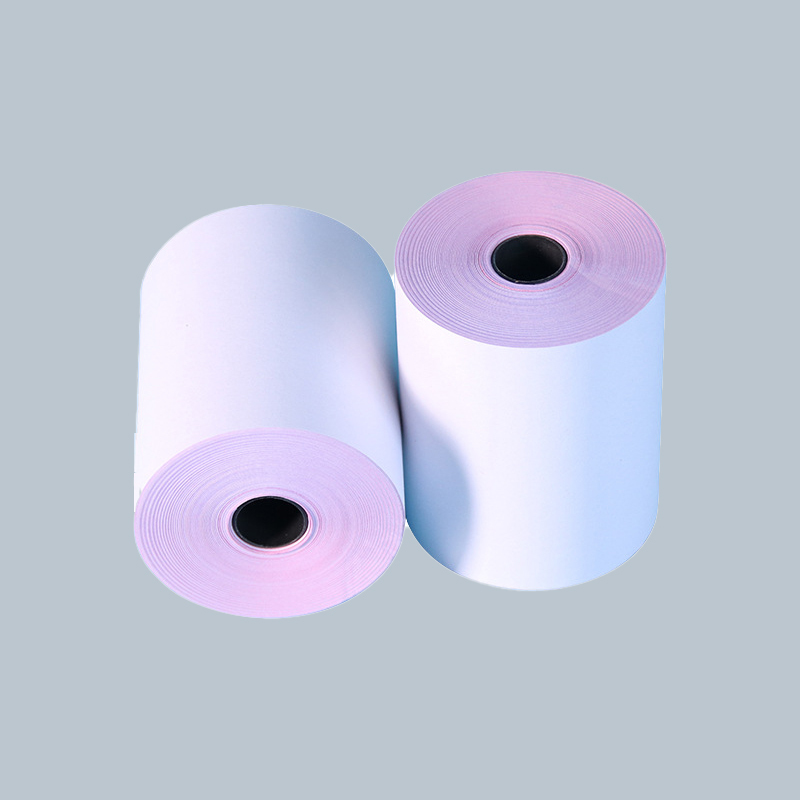
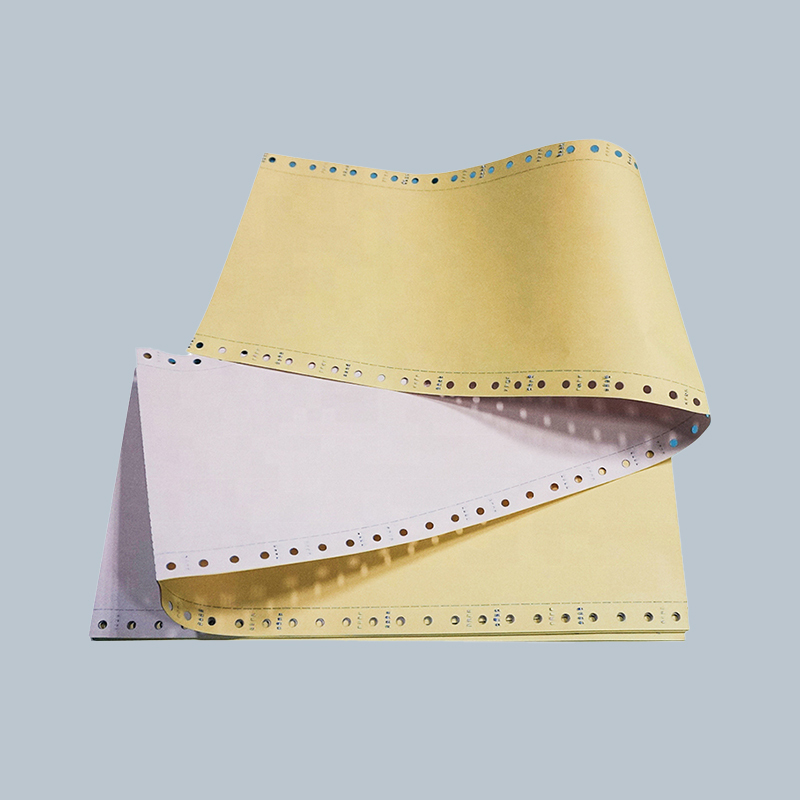
Carbonless paper — also known as NCR paper (No Carbon Required) — is a chemically treated paper system that creates duplicate or triplicate copies of handwritten or impact-printed documents without the use of carbon paper. It was developed by NCR Corporation (National Cash Register) in the 1950s and has since become standard for invoices, receipts, order forms, and delivery notes.
How NCR Paper Works
The system relies on microcapsules containing colorless ink (a leuco dye, typically crystal violet lactone) coated on the back of the top sheet (CB — Coated Back). The sheet beneath is coated on its top surface with a clay-based reactive layer (CF — Coated Front) that causes the colorless dye to turn blue or black when the capsules are ruptured by writing pressure. For three-part sets, a middle sheet is coated on both sides (CFB — Coated Front and Back).
What is carbonless paper used for? Its primary applications include:
- Business invoices and purchase orders requiring simultaneous customer and office copies
- Delivery notes and proof-of-delivery forms in logistics and transportation
- Medical and legal forms requiring multiple signed originals
- Restaurant order pads and service receipts
- Raffle tickets, inspection reports, and custom multi-part business forms
NCR paper sets are assembled with the CB (top) sheet on top and CF (bottom) sheet on the bottom, with any CFB sheets interleaved. They are most commonly printed in 2-part, 3-part, or 4-part sets and available in standard sizes including letter (8.5" × 11"), legal (8.5" × 14"), and custom formats.
Is Copier Paper the Same as Printer Paper?
In practical terms, yes — modern copier paper and printer paper are effectively the same product for most office uses. Both refer to uncoated, wood-free (or near wood-free) white paper in the 20 lb bond / 75 gsm to 24 lb bond / 90 gsm range, designed for use in laser copiers, laser printers, and inkjet printers. The terms are largely interchangeable on retail packaging.
Historically, the distinction had more substance. Early copier machines used a dry-heat toner fusion process that required paper with specific moisture content and surface properties to prevent paper jams, static buildup, and toner adhesion problems. Early inkjet printers required paper with better surface sizing to prevent ink bleed. As both technologies matured, paper manufacturers developed multipurpose sheets optimized across all these requirements simultaneously, making the product categories merge.
Where differences persist: specialty inkjet papers (photo paper, fine art paper, wide-format) are emphatically not the same as copier paper and should never be used interchangeably. Similarly, laser-specific label stock and carbonless paper are not substitutable with standard copy paper in any printer or copier.
Moisture in Paper: Why It Matters More Than Most Buyers Realize
Paper is hygroscopic — it continuously absorbs or releases moisture in response to ambient humidity. Moisture content in paper directly affects dimensional stability, printability, jam frequency, and coating adhesion, making it one of the most operationally significant paper properties in print and packaging environments.
Standard office paper is manufactured to a moisture content of approximately 4–5% by weight, calibrated for typical climate-controlled office environments (relative humidity of 45–55%). When paper absorbs moisture beyond this range, cellulose fibers swell, causing sheets to curl, cockle (develop wavy edges), and lose dimensional stability. In offset printing, moisture-induced dimensional change between print passes causes misregistration — a major quality defect in multi-color work.
For packaging converters, moisture content in paperboard affects fold cracking, delamination risk, and barrier coating performance. SBS board for liquid packaging is typically conditioned to specific moisture targets before PE extrusion coating to ensure proper adhesion and prevent post-conversion blistering.
Practical implications for paper storage:
- Store paper in its original sealed packaging until use to prevent moisture uptake.
- Acclimatize paper to the press or printer room environment for 24–48 hours before use in high-precision printing environments.
- Avoid storing paper on concrete floors or against exterior walls where temperature differentials drive moisture migration.
Certified Paper: What Forest Certifications Mean in Practice
Certified paper carries third-party verification that the wood fiber used in its production comes from responsibly managed forests. There are two dominant certification systems in the paper and packaging industry, and understanding the difference helps buyers make informed sustainability claims.
- FSC (Forest Stewardship Council): Widely regarded as the most rigorous standard. FSC certification covers environmental, social, and economic criteria in forest management. FSC-certified paper carries one of three labels: FSC 100% (all fiber from FSC forests), FSC Mix (mix of FSC-certified, recycled, and/or controlled wood fiber), or FSC Recycled (all fiber from reclaimed sources).
- PEFC (Programme for the Endorsement of Forest Certification): An umbrella body that endorses national forest certification schemes. PEFC is more widely used in Europe and covers a large proportion of certified forest area globally. PEFC-certified paper provides equivalent assurance of legal, sustainably sourced fiber.
Both systems operate on a chain-of-custody model — certification must be maintained at every step from the forest through the pulp mill, paper manufacturer, converter, and printer to the end brand. A product can only carry an FSC or PEFC logo if every link in the supply chain is certified. Brands making forest certification claims on packaging without verified chain-of-custody are exposed to greenwashing liability.
Beyond forest certification, paper may also carry environmental product declarations (EPDs), ISO 14001 environmental management certification, or specific claims around recycled content (e.g., 30% post-consumer waste), each of which addresses a different aspect of environmental performance.
Standard Tissue Paper Size and Its Packaging Applications
Tissue paper in the context of packaging and gifting refers to lightweight, thin paper — typically 17–20 gsm — used for wrapping delicate products, lining gift boxes, and retail presentation. It is distinct from facial and sanitary tissue, which are manufactured to different absorbency and softness specifications.
Standard tissue paper sizes for packaging and retail applications are:
- 20" × 30" (508mm × 762mm): The most common standard sheet size in North America for retail gift wrapping, product protection, and e-commerce void fill.
- 20" × 26" (508mm × 660mm): A shorter sheet used in smaller gift boxes and apparel packaging.
- 500mm × 750mm: The European metric equivalent of the standard retail sheet, commonly used in European fashion and luxury retail.
- Custom rolls: For high-volume packaging operations, tissue is supplied in parent rolls and cut to custom dimensions on-site or by the supplier.
Packaging tissue paper is available in acid-free grades — important for archival wrapping of photographs, textiles, and leather goods, where acid migration from standard tissue can cause yellowing and material degradation over time. Acid-free tissue has a pH of 7.0 or above and is typically produced from purified chemical pulp with no optical brightening agents.