 English
 عربى
عربى Español


Content
A logistics supervisor opens a carton of delivery notes and finds the third copy illegible because the old carbon sheet shifted during printing. Replace that frustration with a stack of forms that needs no interleaved carbon at all. No carbon required paper, usually called NCR paper or carbonless copy paper, solves this exact problem: it carries its own image-forming chemistry, so pressure from a pen or a printer creates a clean duplicate without a separate carbon layer.
For purchasing teams and print buyers, the practical conclusion is simple. NCR paper delivers reliable multi-part forms, lower waste, and a cleaner work environment, provided you choose the right format and a supplier with consistent coating quality. This article explains what the term actually means, how the coating system works, which formats fit which jobs, and what to verify before you place an order.
What Does "No Carbon Required" Mean?
NCR is a backronym that stands for "no carbon required." The letters come from the name of the company that first commercialized carbonless copying, and over time buyers began to read them as a description of the product itself. No carbon required paper is therefore not a vague marketing phrase; it is the plain-English name for a sheet that produces copies through chemical coatings rather than through the dark, waxy transfer sheets used in old carbon paper.
In practical terms, carbonless paper is the generic technical name, NCR paper is the brand-derived synonym, and no carbon required is the descriptive label. All three terms refer to the same product category, so you can use them interchangeably when talking to suppliers.
How NCR Paper Creates a Copy Without Carbon
The system relies on three coated sheet types. Understanding them makes purchasing easier and also explains why sheets have a correct face up or face down orientation.
- CB (coated back) is the top sheet. Its back side carries microcapsules filled with a colorless dye precursor.
- CFB (coated front and back) is the middle sheet. Its front receives the developer coating that reacts with the dye, while its back carries the same microcapsules as a CB sheet.
- CF (coated front) is the bottom sheet. Its front side has the developer coating that turns the released dye into a visible image.
When a pen point or a printer pin presses down, the microcapsules burst and release the dye onto the developer layer of the sheet below. The chemical reaction produces a colored mark that matches the pressure applied. The final image color, usually blue or black, depends on the combination of dye precursors and developers used by the mill, so if your forms must match a specific copy color, confirm it with the supplier before ordering.
This mechanism is the reason NCR sets must be stacked in the correct order. If you reverse a sheet, you can end up with images on the wrong surface or no image at all. The same chemistry also explains why a guide to how NCR paper works in practice is useful when you are training staff or troubleshooting faint copies.
Common Formats and How to Choose
No carbon required paper is available in several physical forms, and the right choice depends on how the forms will be printed and used.
| Format | Typical configuration | Best for |
|---|---|---|
| Cut sheets | 59 x 82 cm and similar press-ready sizes | Offset and digital multi-part forms, invoices, receipts |
| Continuous computer paper | Fanfold with sprocket holes | Dot-matrix and line printers, delivery notes, billing runs |
| Jumbo rolls | Custom widths for long production runs | Roll-fed presses, converters, high-volume form manufacturing |
For a quick side-by-side comparison with traditional carbon copy stock, the complete guide to carbonless paper and carbon copy paper types covers the differences in handling, cost, and image quality.
What to Check Before Ordering NCR Paper
Start with the conclusion: the two most common reasons NCR forms fail are incorrect sheet orientation and inconsistent coating quality, not the paper grade itself. Here are the specific points to verify.
Basis weight and stiffness
Most NCR sheets range from around 45 gsm to 60 gsm. Lighter weights keep sets slim and postal costs down, but heavier weights feed more reliably through high-speed printers and resist curling in humid conditions. Match the weight to the printing method and the handling the forms will receive.
Coating uniformity and image color
Faint or patchy copies almost always come from an uneven coating layer. A manufacturer using computer-controlled coaters and quality monitoring systems is more likely to deliver consistent capsule size and distribution. Ask about the supplier's coating equipment and process checks before committing to large volumes, and confirm that the copy color stays stable across the whole run.
Printer compatibility
NCR paper works with handwriting, dot-matrix impact printers, offset presses, and many laser printers. Impact printers and pens provide the physical pressure the chemistry needs. Some non-impact printers require special coated grades, so confirm compatibility with your equipment rather than assuming every carbonless sheet behaves the same.
Storage and shelf life
The microcapsules are sensitive to heat, humidity, and pressure. Store cartons flat in a cool, dry area and avoid stacking heavy items on top. Old stock can still produce acceptable copies, but for critical jobs, first-in, first-out rotation is the safest practice.
Edge padding and set assembly
For padded forms, the manufacturer or converter applies a special adhesive to one edge that binds the sheets into a set but still allows them to separate cleanly after use. If you are buying pre-glued sets, check that the padding holds across temperature changes and does not leave sticky residue on the copies.
Why Manufacturing Consistency Matters
Supplier reliability comes down to one question: does the mill control the coating process? Suzhou For-Long Paper Product Tech, a manufacturer based in Suzhou, China, has spent 14 years producing paper for engineering, printing, and business use. Its Voith machines run under computer control at high speed, and the plant's QDS and QCS systems monitor coating uniformity and basis weight in real time. ISO 9000, ISO 14000, and SGS and FSC certifications give buyers a documented basis for supplier evaluation.
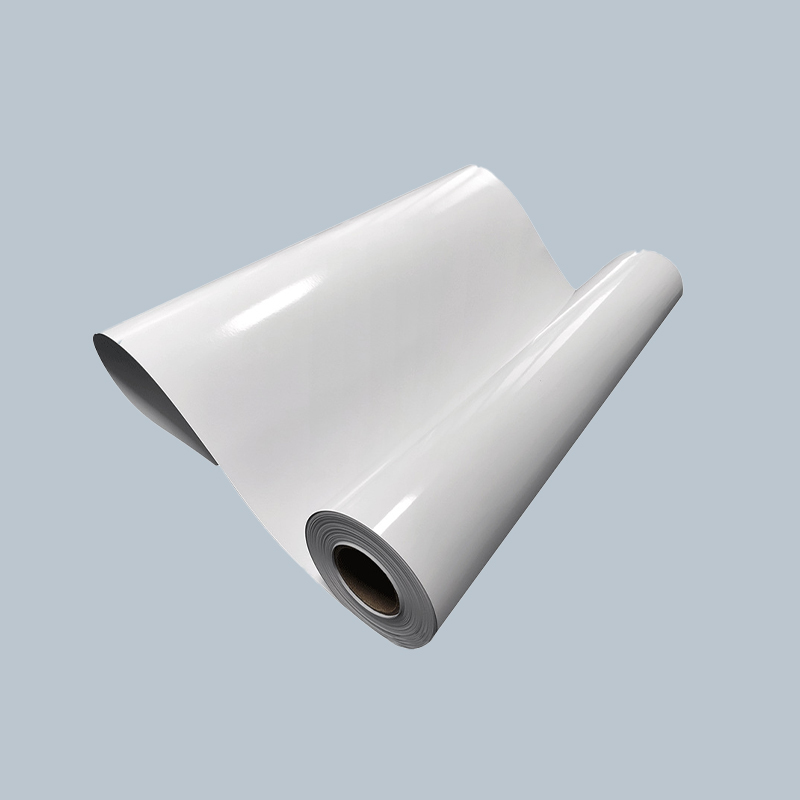
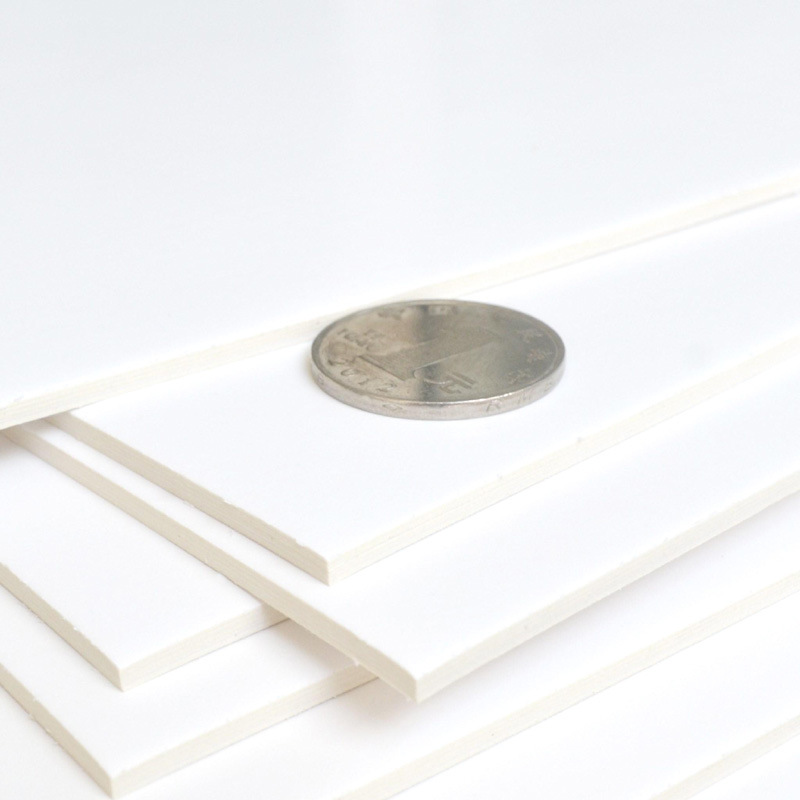
For standard multi-part forms such as invoices and receipts, white and yellow cut-sheet carbonless NCR paper is the usual starting point. The 59 x 82 cm size fits common press layouts, and the white and yellow pairing makes copy number easy to identify at a glance.
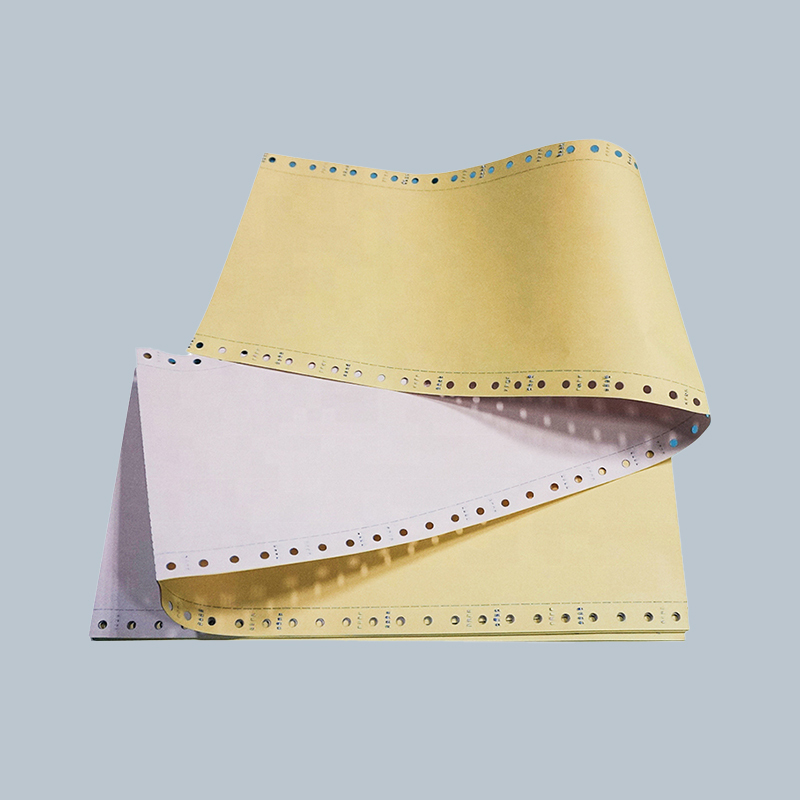 59x82 White Yellow Carbonless Ncr Paper Suppliers, Factory - Suzhou For-Long PapSuzhou For-Long Paper Product Tech Co., Ltd. is China Custom 59x82 White Yellow Carbonless Ncr Paper Suppliers and Factory, Custom 59x82 ...View Product →
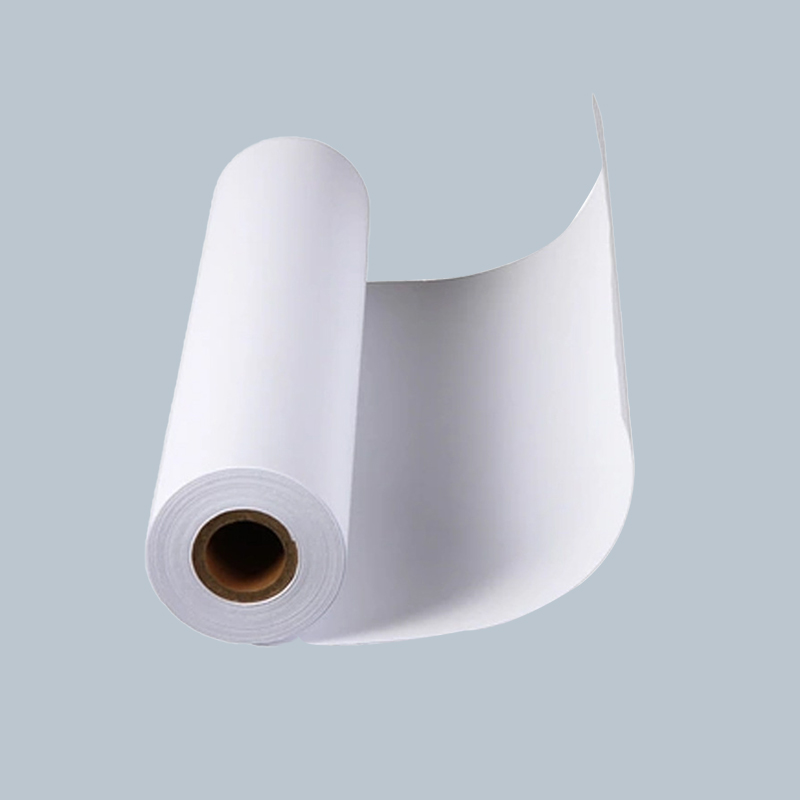
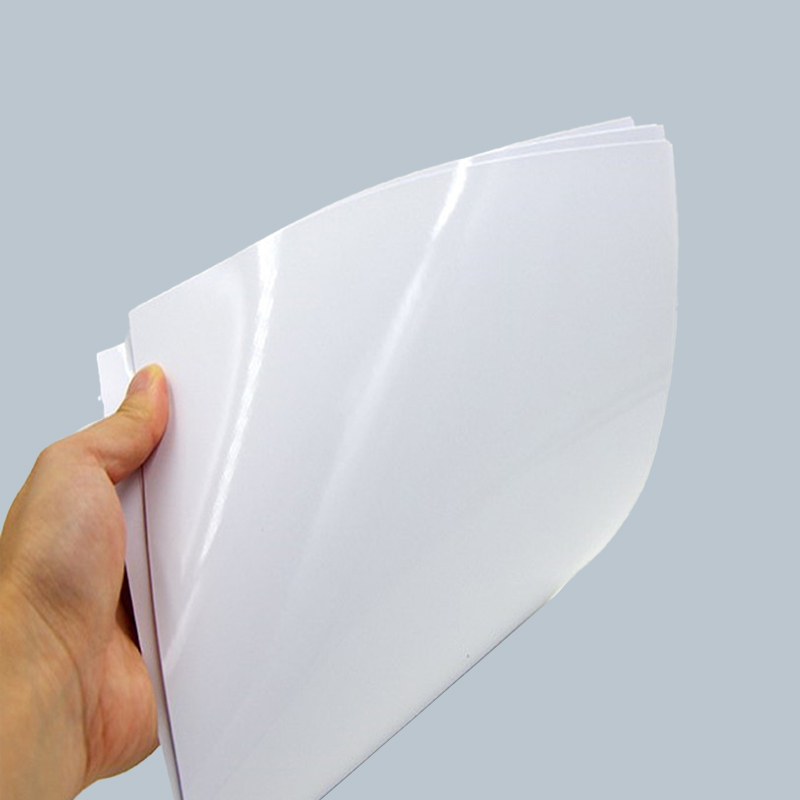
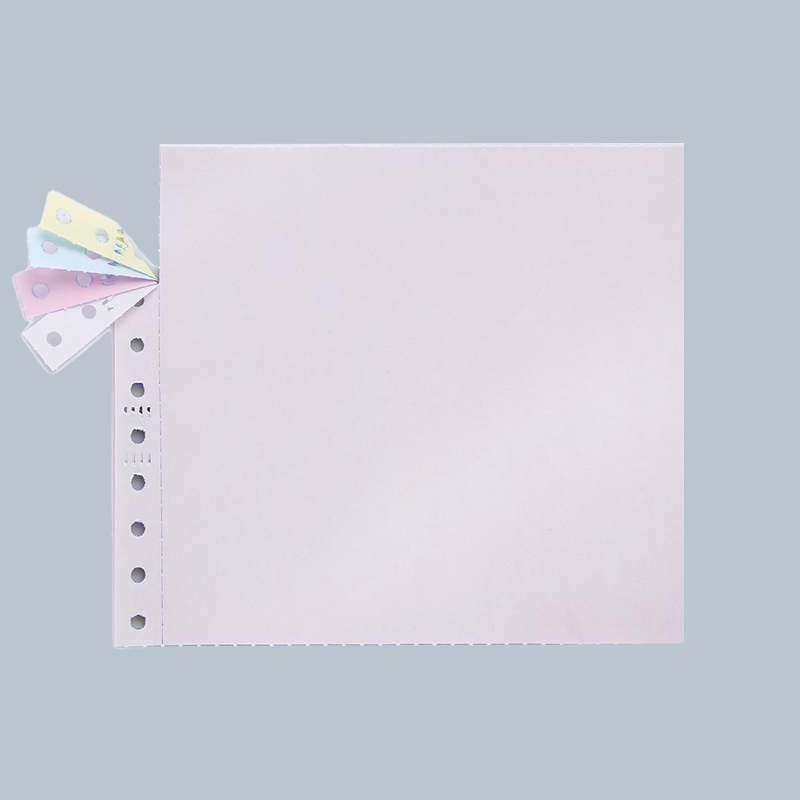
When forms are produced on impact printers, NCR computer continuous printing paper is the practical choice. Fanfold construction and sprocket holes keep alignment stable through long runs, which reduces jams and wasted sets.
 Ncr Computer Continuous Printing Paper Suppliers, Factory - Suzhou For-Long PapeSuzhou For-Long Paper Product Tech Co., Ltd. is China Custom Ncr Computer Continuous Printing Paper Suppliers and Factory, Custom Ncr Com...View Product →
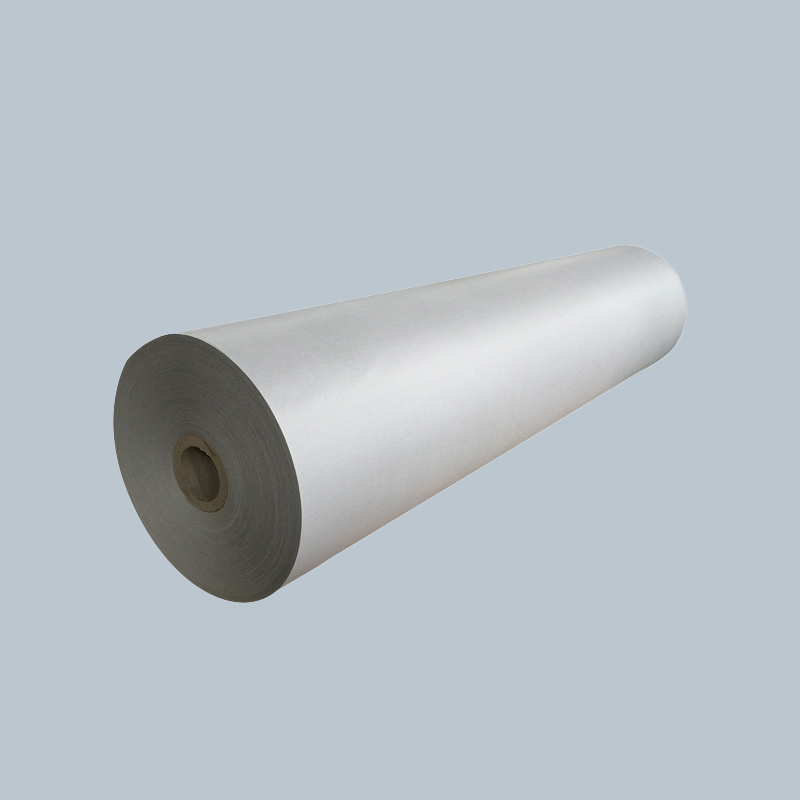
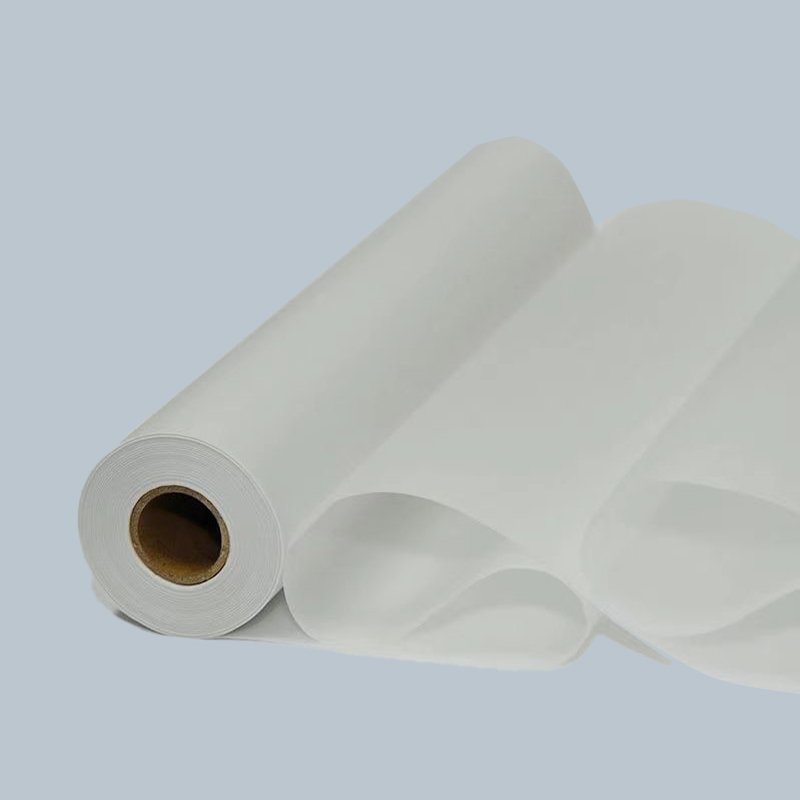
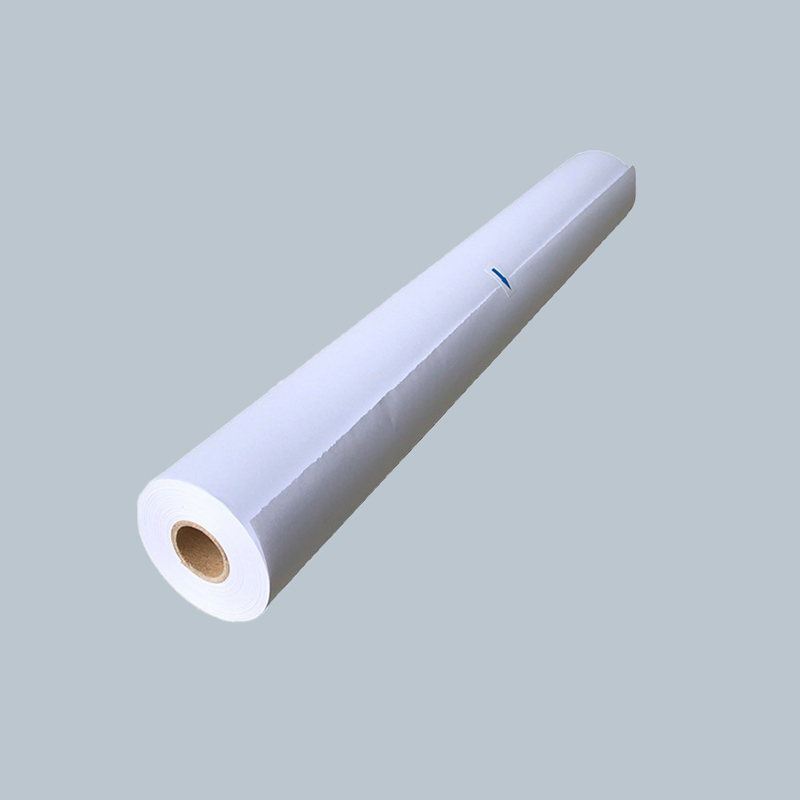
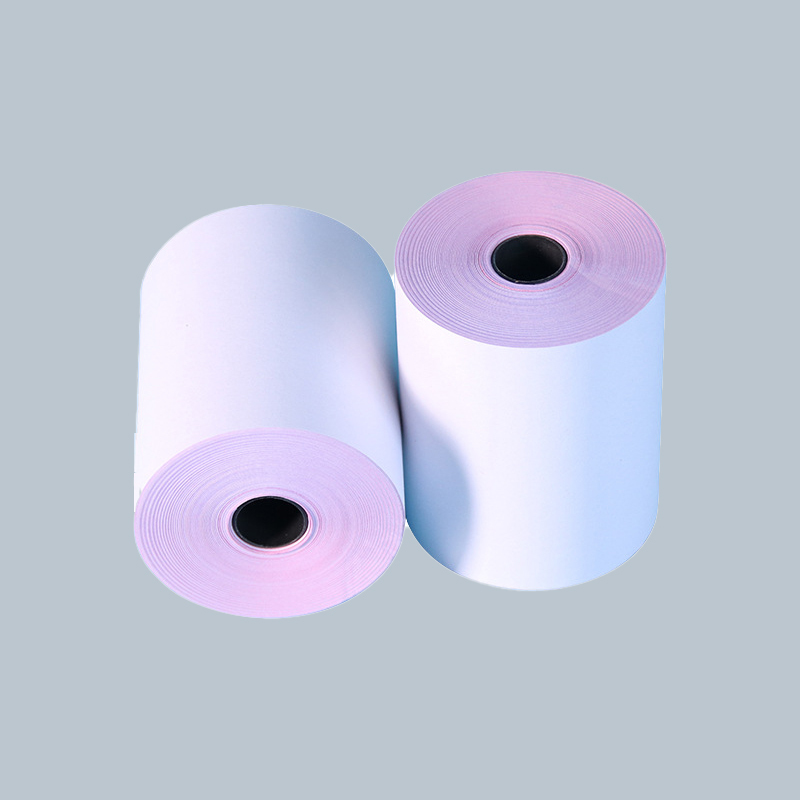
For converters and roll-fed operations, white jumbo carbonless NCR paper rolls supply the widths and volumes needed for efficient cutting and finishing, with customization available against order requirements.
 White Jumbo Carbonless Ncr Paper Roll Suppliers, Factory - Suzhou For-Long PaperSuzhou For-Long Paper Product Tech Co., Ltd. is China Custom White Jumbo Carbonless Ncr Paper Roll Suppliers and Factory, Custom White Ju...View Product →
Environmental and Workplace Considerations
NCR paper eliminates the need for carbon sheets, which means no carbon dust on hands and desks and less waste at the point of use. The coating chemicals are designed to stay contained in the microcapsules until pressure is applied, so normal handling does not expose users to the dye system. As with any paper product, disposal through normal recycling streams is possible, but check local guidelines because some mills restrict coated grades in their input streams.
No carbon required paper has been a quiet workhorse of business documentation for decades, and the technology remains the most practical way to make instant duplicate copies without a power source or a copier. The key buying decision is not the brand name; it is the combination of correct format, verified coating consistency, and a supplier who can back the product with manufacturing experience. Choosing NCR paper with those criteria in mind will give you forms that behave predictably, run cleanly, and produce legible copies every time.