 English
 عربى
عربى Español


Content
A production manager at a commercial printing plant receives an order for 12,000 sets of three-part invoice forms. The first phone call to the paper supplier should have been about NCR paper specifications, but many buyers treat carbonless paper as a commodity. That assumption carries risk.
For printing factories, the decision is not simply "white or yellow NCR." The CB/CFB/CF stack, basis weight, roll dimension, and surface chemistry all influence how forms run on presses, collators, and packing lines. This guide covers the practical specifications to specify and verify before placing an order.
Carbonless Paper Coating Stacks: CB, CFB, and CF Explained
The correct coating stack determines whether a three-part form produces three legible copies from a single pass. The microcapsule system on NCR paper transfers an image when pressure is applied, and each sheet carries a specific coating arrangement.
| Designation | Coating Location | Function in the Set |
|---|---|---|
| CB (Coated Back) | Top sheet, back side coated | Releases dye-containing microcapsules when pressure is applied |
| CFB (Coated Front & Back) | Middle sheet, both sides coated | Receives image on the front, transfers from the back |
| CF (Coated Front) | Bottom sheet, front side coated | Receives the final transferred image |
A two-part form is usually CB plus CF. A three-part form is CB plus CFB plus CF. The middle sheet carries more responsibility than its position suggests: the CFB must receive an image and transfer a second image down the stack in the same press cycle.
Factories that buy only top sheets or bottom sheets run into unnecessary collating downtime. The total set chemistry needs to be planned as a system. For a deeper look at the dye developer and microcapsule mechanisms, see how NCR paper works.
Printing and Converting Requirements for Factory Use
NCR paper intended for a printing factory must match the converting method first, not the price list. Continuous forms run on high-speed printers built for 15,000 to 30,000 sets per hour. Sheet-fed and padded forms operate with fan-apart glue. The paper needs to tolerate both product lines without changing surface behavior.
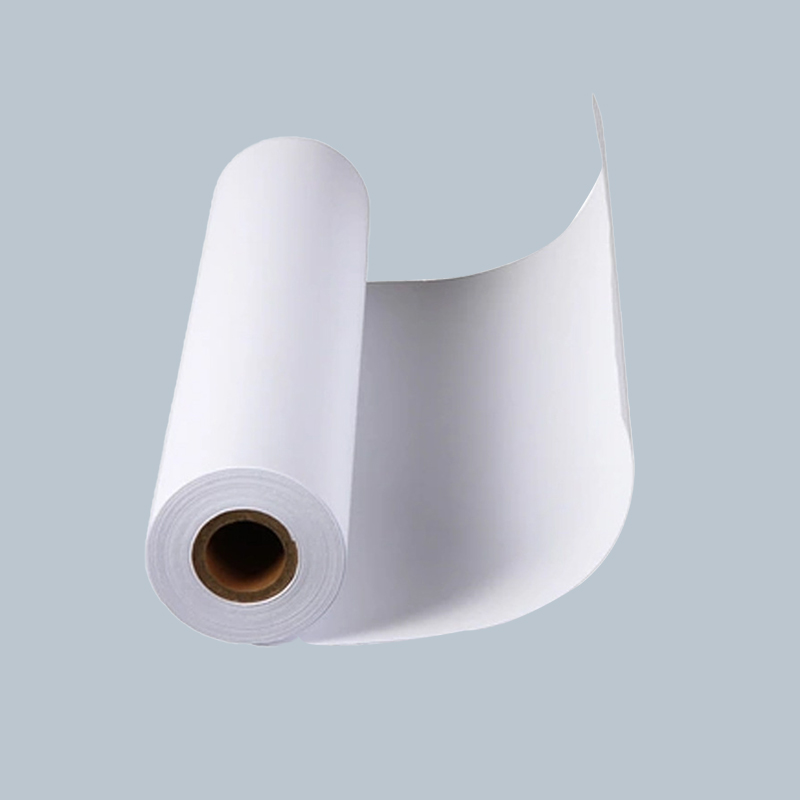
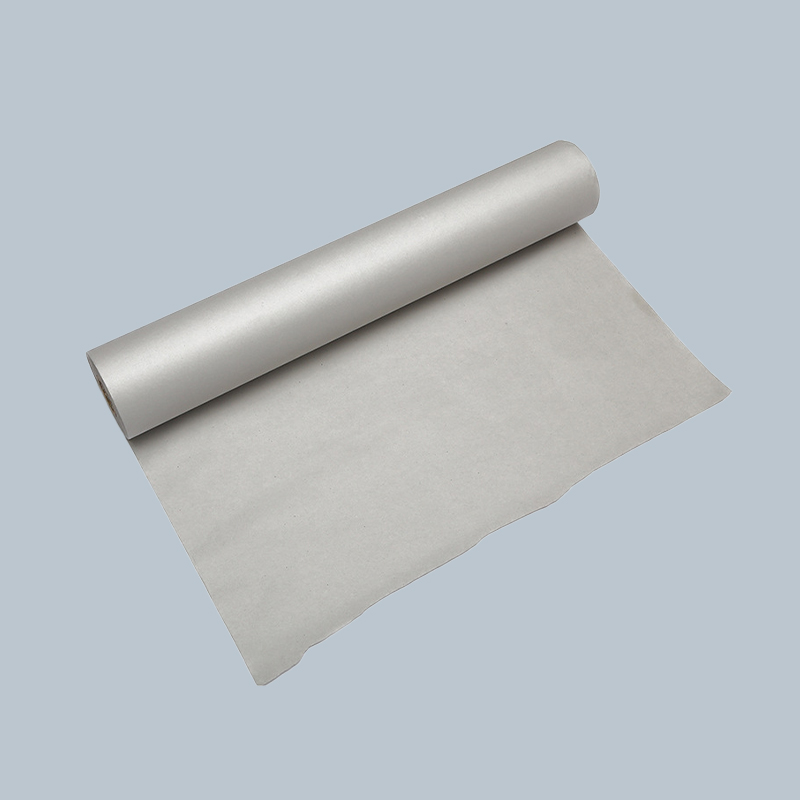
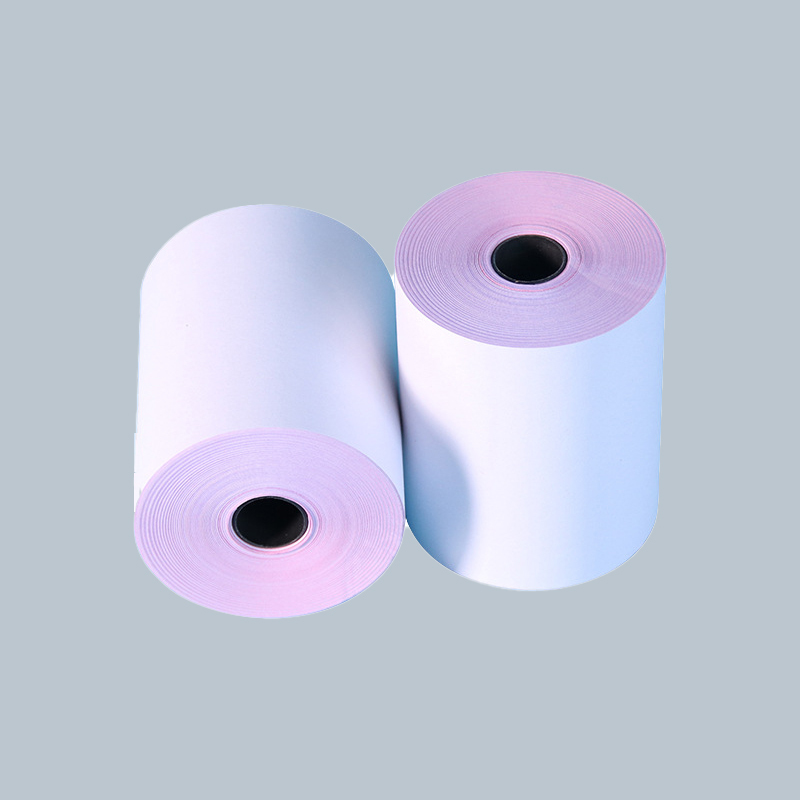 Continuous Feed Carbonless Paper for High-Speed PrintingThis NCR paper supports continuous feeding and sequential numbering, suitable for dot-matrix and impact printers. Its smoothness and moisture control help maintain consistent image transfer and minimize streaking in high-speed press runs.View Product →
Smoothness and stiffness matter in a continuous form run. If the sheet is too floppy, the tractor feed mechanism skips. If the coating is uneven, the first print pass shows streaking. In a web press, moisture uniformity influences curl at the unwind station. For factories running dot-matrix or inkjet continuous forms, the surface absorption rate also dictates how fast the ink cures before the form is folded.
For cut-sheet work, the fan-apart process is decisive. Fresh microcapsule coatings require a paper surface that develops usable adhesive bonds when the fan-apart glue sets. Caliper consistency affects how evenly collated stacks dry. A sheet that dries unevenly can produce a curled set that jams in the shrink-wrap or banding line.
When converting sheet-fed NCR on offset presses, the key is to maintain a stable print gap. The coating makes the surface more sensitive to blanket pressure than uncoated offset paper. Too high pressure can crush microcapsules on the CB layer, producing fog or a faint background tint on the form.
GSM, Size, and Color: Specifications That Drive Procurement
GSM, format, and tint are procurement inputs that change press behavior and end-user usability. Carbonless NCR paper is commonly ordered in 45 gsm, 48 gsm, 50 gsm, and 80 gsm grades. The choice depends on whether the final form is a delivery note with multiple entries or a one-time invoice. Lighter weights reduce shipping cost but increase show-through risk. Heavier grades improve opacity and withstand more handling cycles.
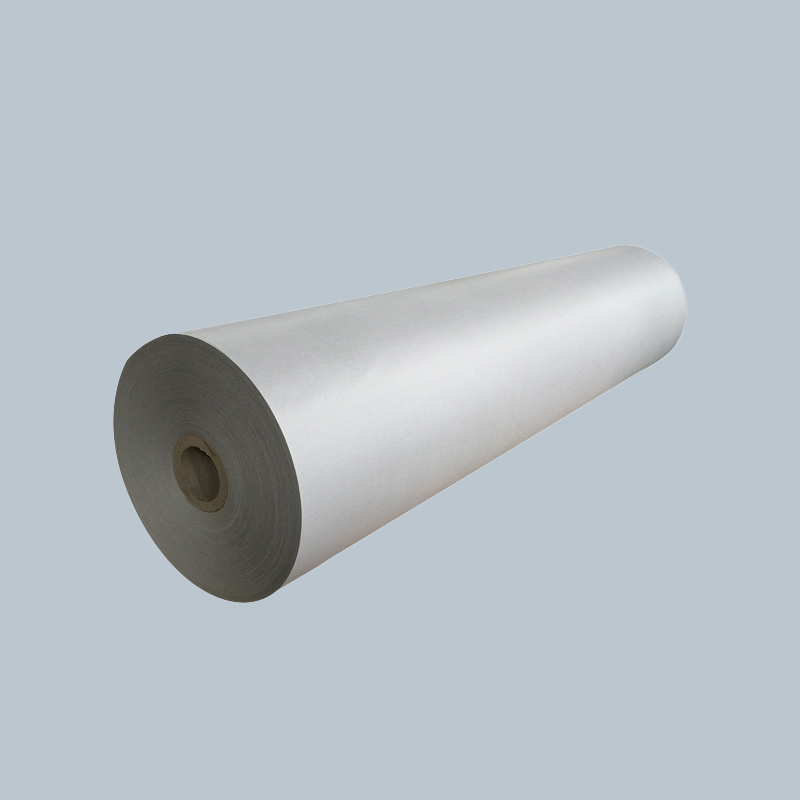
Printing factories with a large converting operation usually take NCR in jumbo rolls. The roll width must match slitting or flat-sheet converting schedules. Standard widths for jumbo rolls are 787mm and 889mm in many Asia-Pacific markets, but 1050mm or wider rolls are available for specialized slitting.
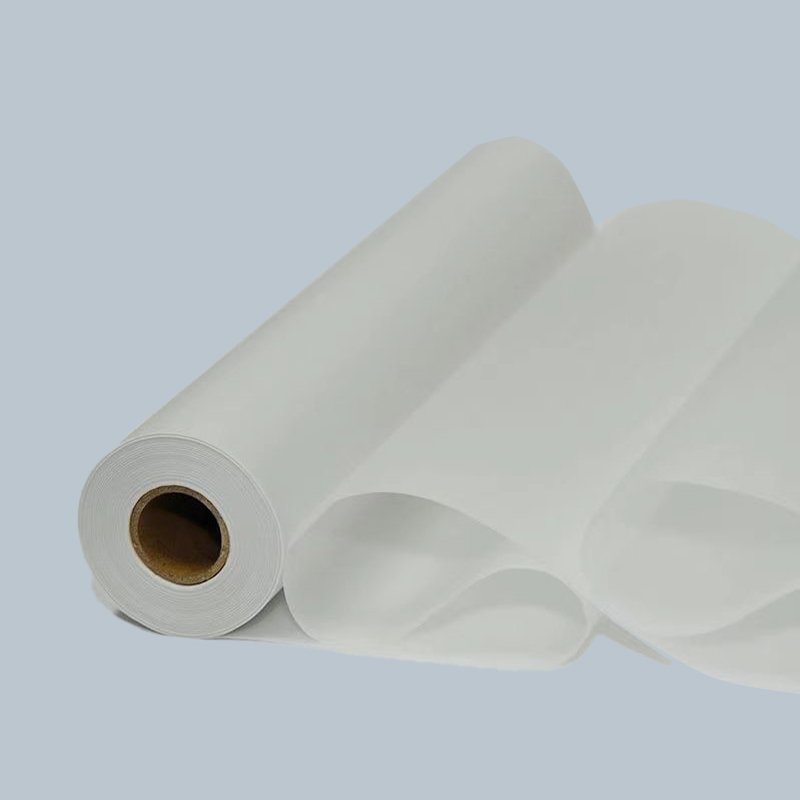
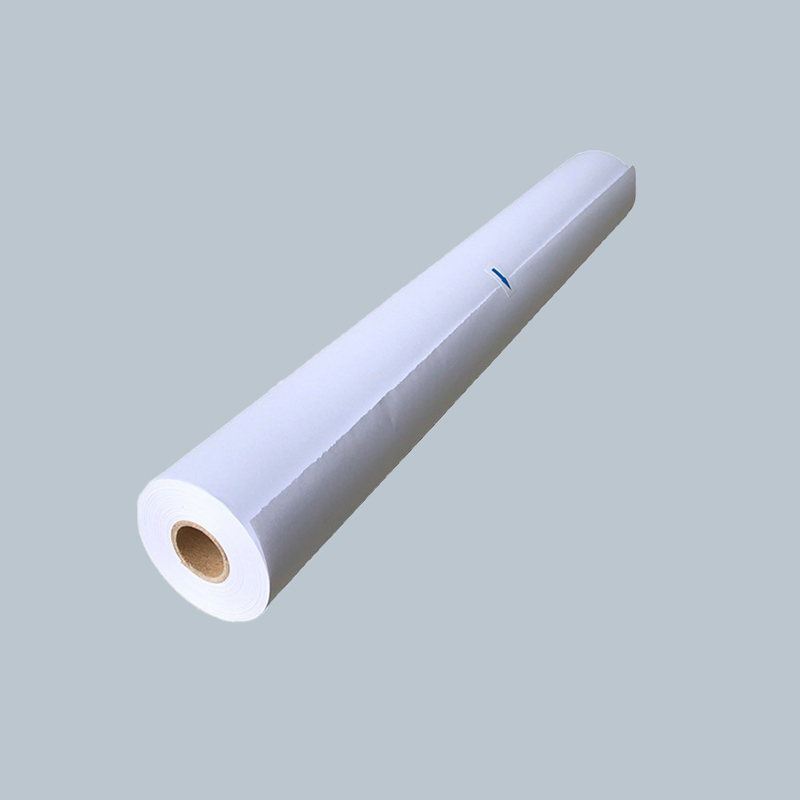
 Jumbo Roll Carbonless Paper for Converting OperationsOffered in various large roll widths, this carbonless paper is designed for slitting and flat-sheet conversion. Its bright white finish and stable surface ensure clean copies in point-of-sale or invoicing applications.View Product →
Sheet sizes also matter for cut-sheet printers. 59 x 82cm is common in some regions, while 8.5 x 11in remains the reference format in North America. Verify the exact cutting tolerance before ordering finished sheets, because a two-millimeter variation accumulates over a 500-sheet stack.
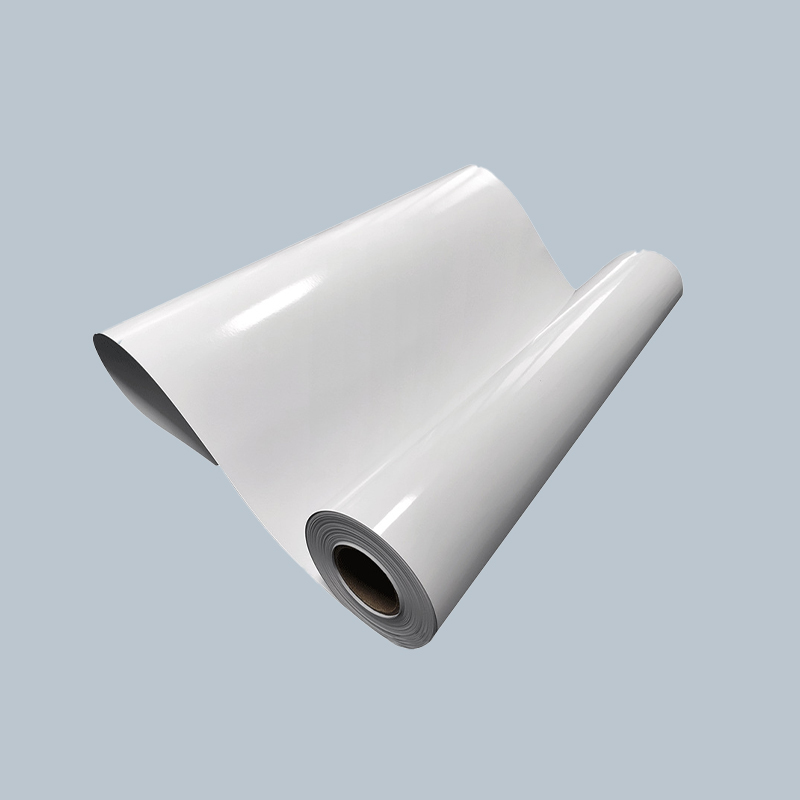
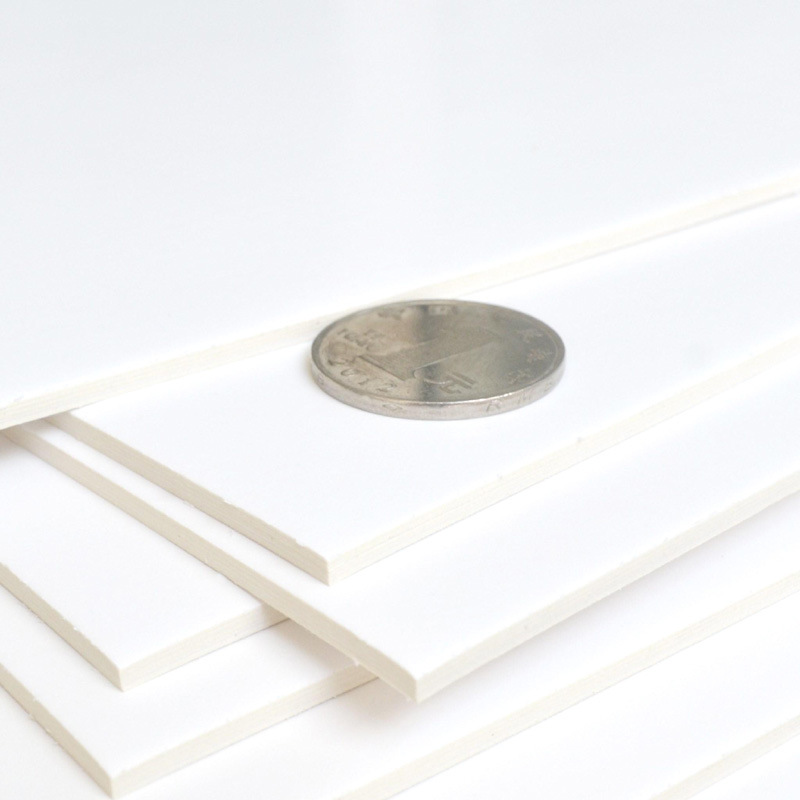
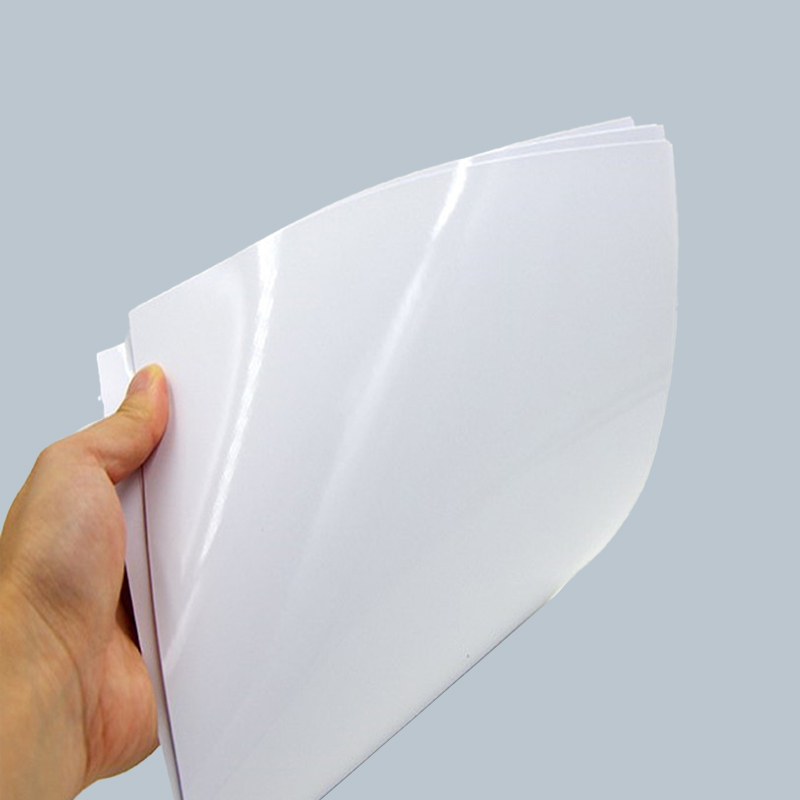
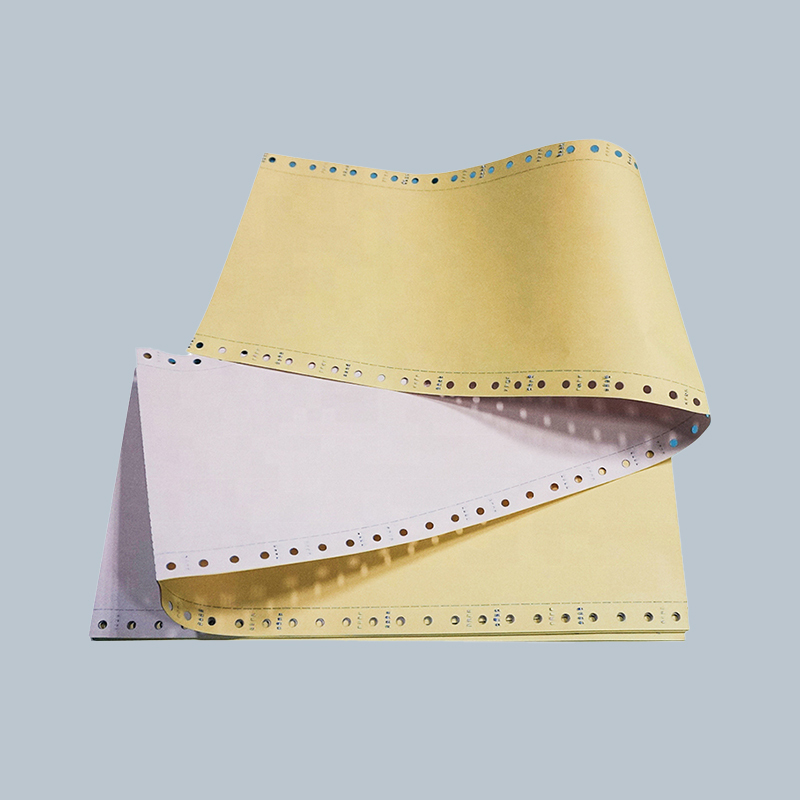 White and Yellow Cut-Sheet Carbonless PaperAvailable in 59x82cm sheets, this two-color carbonless paper aids in sorting multi-part forms. Low paper dust and stable quality suit handwritten or computer-printed documents requiring clear, durable copies.View Product →
Color selection is more than a preference. White NCR sheets are used where copies need to be scanned or archived digitally. Yellow and tinted sheets reduce background glare on the bottom ply and help staff sort the parts of a multi-part set quickly.
Quality Verification for Incoming NCR Paper
Every incoming NCR lot should pass a five-point verification before it reaches a press. Printing factories should test at least one roll or ream from each lot, and production managers use the following checklist to reduce press-side rejection.
- Visual coating check: spot microcapsule-coated side (CB) and coated front (CF) for matte or glossy variation.
- Moisture content: 5% to 7% is typical; above 8% can cause curl and adhesion issues.
- Stiffness test in the cross direction: prevent feed skips on continuous printers.
- Imaging test with a two-part hand sample: press pressure must produce a clean copy on the CF.
- Fan-apart bond check: two-part or three-part sets must separate without delamination.
A concrete number to remember is caliper tolerance. For a 50 gsm NCR sheet, a caliper variance of more than 0.01mm across a roll can create uneven feeding on collators. The same standard applies to CFB sheets, where surface smoothness affects dye transfer.
Request the supplier's coating weight data and moisture report with each batch. Coating weight variation on the CB side influences how dark the transferred copy appears. When the coating weight falls outside the supplier's published window, the first copy may look fine, but the second and third parts in a set lose legibility.
For buyers evaluating their overall carbonless strategy, the complete guide to carbonless paper types covers the broader range of available configurations.
Factory-Side Storage and Handling
Storage environment is the least visible factor that causes the most copy-quality failures. Purchased NCR paper has a limited usable life. The microcapsules keep their properties, but coating chemistry can degrade in a hot, humid warehouse. Store rolls at 20 to 24 degrees Celsius with about 55 percent relative humidity. Avoid direct wall contact that creates a constant cold or hot surface alongside the stock.
The factory order sequence also benefits from removing the outer wrapper only at the press. If the paper is unwrapped early, it absorbs moisture from the atmosphere. A 12-hour equilibrium period in the press room is a practical step before running high-speed continuous forms.
One factory-level trap is storing NCR next to a direct heat source or outside a controlled humidity zone. When the microcapsules dry out, the resulting forms show weak, spotty copies. The paper may still pass a visual inspection, but the coating behavior is no longer reliable. This is why major suppliers document storage conditions directly on the outer wrapper.
Summary
The two biggest categories of NCR user problems are wrong coating stack for the form set, and poor runnability from a bad environment. Both are preventable at the procurement stage. Choose a manufacturer that controls coating quality and sheet dimensions consistently.
For a factory purchasing manager, the practical next step is to compare the NCR product range against your typical form sizes, collator type, and final application. Do not settle for "standard size" if your converting equipment needs specific jumbo dimensions. The cost and downtime saved at the press will exceed any small price difference on paper.