 English
 عربى
عربى Español


Content
- 1 What Is NCR Computer Continuous Print Paper and How Does It Work
- 2 The Business Case for NCR Continuous Paper Over Carbon-Interleaved Forms
- 3 Types of NCR Computer Continuous Paper Available
- 4 Key Specifications to Check When Buying NCR Continuous Paper
- 5 Industries That Rely on NCR Computer Continuous Paper Every Day
- 6 How to Get the Best Print Quality from NCR Continuous Paper
- 7 Why Quality NCR Paper Is a Smart Investment, Not Just a Cost
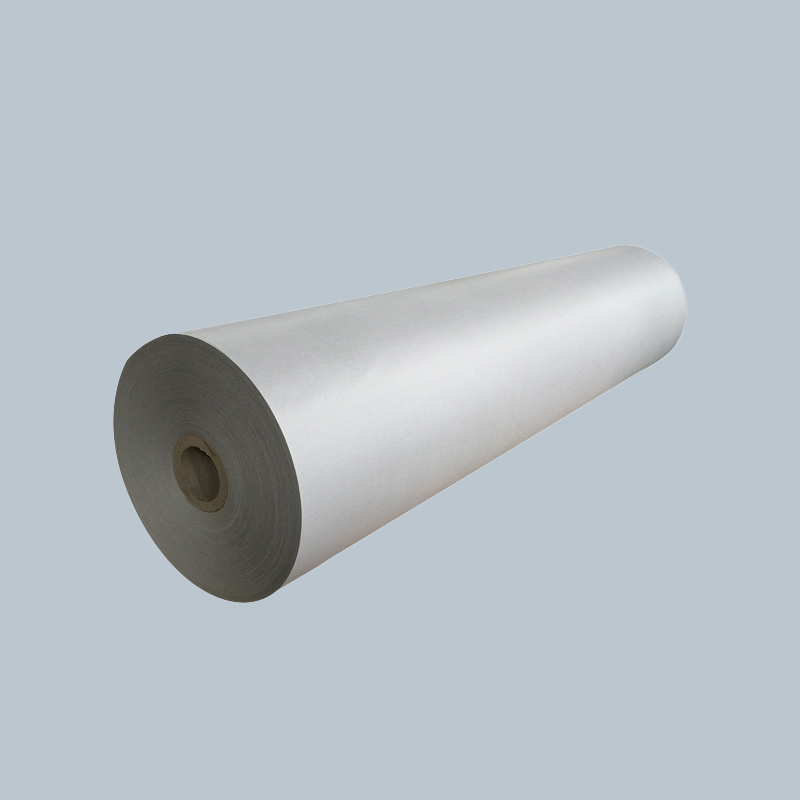
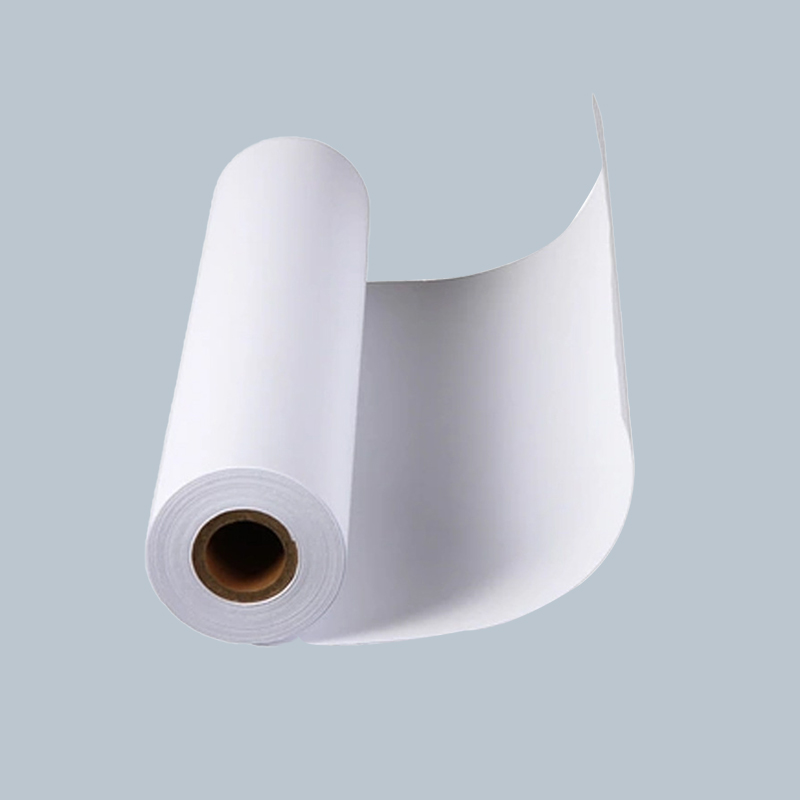
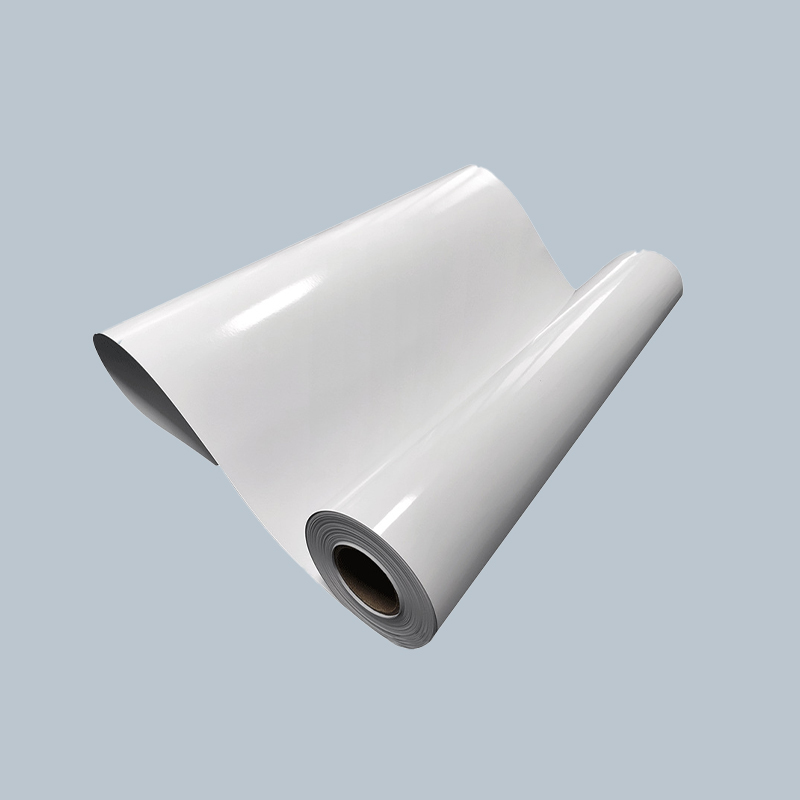
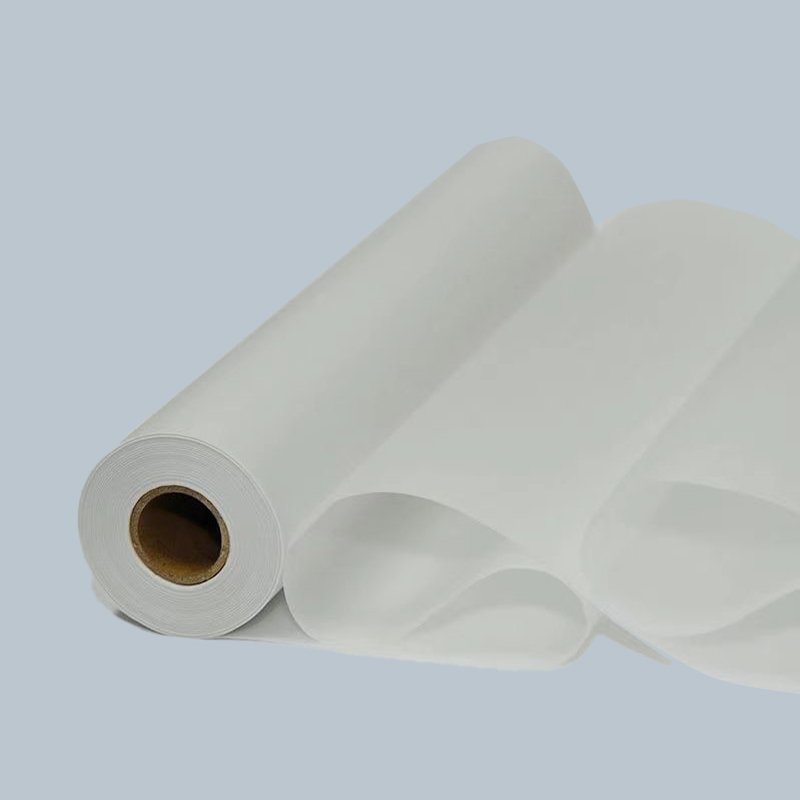
When your business depends on accurate, legible, multi-copy documentation—whether for invoices, delivery notes, purchase orders, receipts, or production records—the quality of the paper you choose is just as important as the printer itself. NCR computer continuous print paper has been the industry standard for carbonless multi-part form printing for decades, and for good reason. It eliminates the mess and inconsistency of traditional carbon paper, produces clean simultaneous copies through impact printing, and is engineered to feed reliably through dot matrix and continuous feed printers under demanding daily production conditions. This guide covers everything you need to know to select the right NCR continuous paper for your specific application—and explains why investing in quality stock pays for itself many times over in reduced errors, reprints, and operational disruptions.
What Is NCR Computer Continuous Print Paper and How Does It Work
NCR stands for No Carbon Required—a name that directly communicates the key advantage of this paper technology over its predecessor. Traditional carbon-interleaved forms required a sheet of messy, smear-prone carbon paper between each copy layer. NCR paper eliminates this entirely through a precision chemical coating system applied directly to the paper surface during manufacturing. The reverse side of each sheet (except the last copy) is coated with microscopic dye-filled capsules—known as the CB (Coated Back) layer. The front side of each receiving sheet (except the first copy) is coated with a developer chemical layer—known as the CF (Coated Front) layer. Middle sheets carry both coatings and are designated CFB (Coated Front and Back).
When the printhead pins of a dot matrix or impact printer strike the top sheet, the mechanical pressure ruptures the microcapsules on the CB coating of that sheet, releasing the colorless dye. This dye immediately reacts with the CF developer coating on the sheet below, producing a sharp, permanent, visible mark at precisely the same position as the printed character. This reaction cascades through all form layers simultaneously—producing identical copies on every part of the form in a single print pass. The result is a set of clean, chemically bonded copies with no smearing, no carbon dust, and no risk of partial transfer that characterized old carbon paper systems.
The Business Case for NCR Continuous Paper Over Carbon-Interleaved Forms
Organizations still using carbon-interleaved forms or single-copy printing with manual photocopying are incurring hidden costs and operational inefficiencies that NCR continuous paper eliminates directly. The financial and productivity arguments for switching to NCR stock are compelling across virtually every business size and sector.
- Eliminate transcription errors: When every copy is produced simultaneously from a single print pass, all copies are guaranteed to be identical. Manual re-entry of data onto secondary documents—a common source of costly errors in invoicing, order processing, and logistics—is completely eliminated.
- Reduce document handling time: Assembling, aligning, and inserting carbon paper between form layers before each printing cycle is time-consuming. NCR continuous forms feed directly from the box into the printer tractor mechanism—no preparation, no assembly, no delay between documents.
- Cleaner working environment: Carbon paper sheds carbon dust onto hands, surfaces, and adjacent documents. In customer-facing environments such as retail counters, bank teller stations, or reception desks, this creates a negative impression. NCR paper produces zero contamination—copies are clean to handle immediately after printing.
- Better copy legibility on lower parts: The bottom copy of a 3- or 4-part carbon set is often significantly lighter than the top copy due to declining pressure transmission through multiple carbon layers. NCR chemistry is formulated to compensate for this attenuation, producing lower copies with substantially better legibility than equivalent carbon sets.
- Archival stability: NCR copy impressions are chemically bonded to the paper fiber and resist fading significantly better than carbon paper impressions, which can smear or transfer to adjacent pages in storage. For document retention requirements measured in years or decades—common in legal, financial, and government contexts—NCR copies provide superior archival reliability.
Types of NCR Computer Continuous Paper Available
NCR continuous paper is available in several configurations to match different printing requirements, copy count needs, and printer specifications. Understanding the differences allows you to specify precisely the right product rather than settling for whatever is in stock at your local supplier.
| Configuration | Number of Copies | Typical Total Thickness | Common Applications |
| 2-Part NCR | Original + 1 copy | ~0.18–0.22 mm | Sales receipts, simple invoices, appointment records |
| 3-Part NCR | Original + 2 copies | ~0.27–0.33 mm | Invoices, delivery notes, purchase orders |
| 4-Part NCR | Original + 3 copies | ~0.36–0.44 mm | Consignment notes, work orders, multi-department distribution |
| 5-Part NCR | Original + 4 copies | ~0.45–0.55 mm | Complex logistics, customs documentation, government forms |
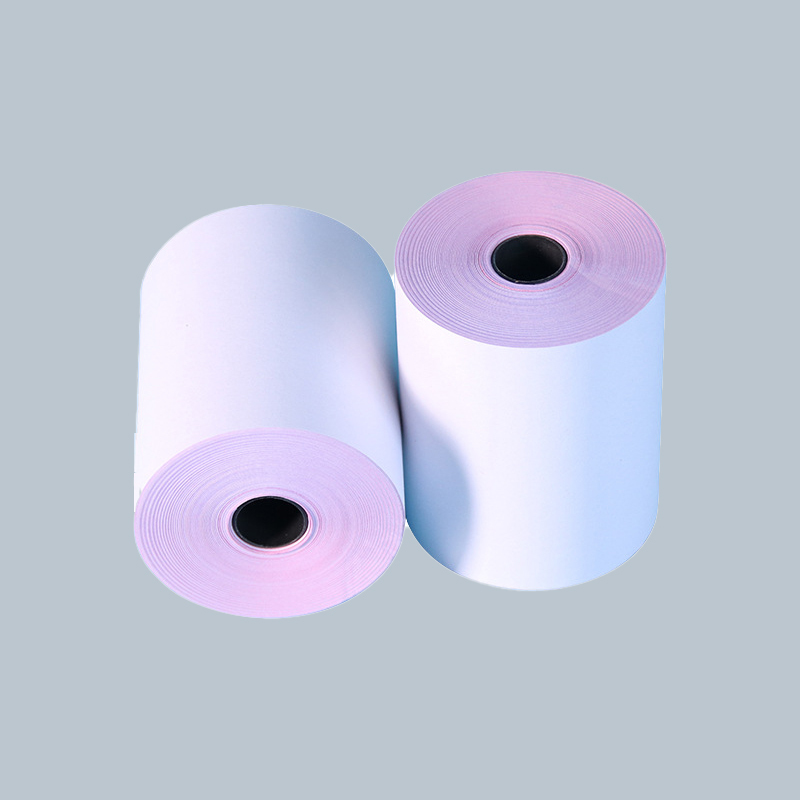
| Colored Part Sets | 2–5 parts, color-coded | As above per part count | Department routing, copy identification, compliance workflows |
Color-coded multi-part sets deserve special attention for businesses with defined document routing workflows. By assigning a specific color to each copy—white for the customer, yellow for accounts, pink for the warehouse, blue for the driver—staff can instantly identify which copy belongs to which department without reading the header text. This simple visual differentiation reduces misfiling, speeds up document distribution, and virtually eliminates the risk of the wrong copy being retained or forwarded to the wrong recipient.
Key Specifications to Check When Buying NCR Continuous Paper
Purchasing NCR continuous paper without verifying compatibility with your printer model is a costly mistake that results in feeding failures, printhead misalignment, and unusable stock. The following specifications must be confirmed before placing any order.
Paper Width and Printable Area
The total width of the continuous form—including the sprocket-hole margins on both sides—must match your printer's tractor feed width setting. The two most common widths are 9.5 inches (241 mm) for standard-carriage printers and 14.875 inches (378 mm) for wide-carriage printers. The printable area—the width between the sprocket margins—is typically 8 inches (203 mm) for standard forms. Custom widths are available for specialist applications, but standard sizes minimize cost and sourcing complexity. Always verify the width specification printed on the paper box against your printer manual before loading.
Page Length and Perforation Pitch
NCR continuous forms are perforated at regular intervals to define individual document page lengths. The standard page lengths are 11 inches (279 mm) for letter format and 12 inches (305 mm) for legal format documents. The perforation pitch must match the line spacing and form-feed configuration set in your printer software or front-panel controls. A mismatch—even by a fraction of an inch—causes progressive misregistration where the print gradually drifts relative to the perforation line, eventually printing across the tear line and making documents unusable. When ordering, always specify the exact page length required rather than assuming standard stock will match your configuration.
Individual Part Weight and Total Form Caliper
Each part of an NCR set is manufactured at a specific paper weight, typically 55 g/m² to 60 g/m² per sheet for standard continuous forms. The total caliper—the combined thickness of all parts stacked together—determines whether the form will feed through the printhead gap and produce adequate copy quality on all parts. This total thickness must not exceed your printer's maximum form thickness specification, which is stated in the printer technical manual and is typically between 0.4 mm and 0.6 mm depending on the model. Using a form set thicker than the specified maximum does not produce better copies—it causes printhead pin damage, uneven print density, and paper feed jams.
Industries That Rely on NCR Computer Continuous Paper Every Day
The demand for NCR continuous paper spans an exceptionally broad range of industries, reflecting the universal need for reliable, simultaneous multi-copy documentation in any operation where a single print event must produce records for multiple parties or departments.
- Logistics and freight: Every shipment requires a consignment note with copies for the sender, carrier, driver, and recipient. 4-part NCR continuous forms fed through a dot matrix printer at the dispatch desk produce all four copies simultaneously in under three seconds per document—a workflow that cannot be matched by any alternative approach at comparable cost per document.
- Manufacturing and production control: Job cards, material requisitions, quality inspection records, and non-conformance reports all require multiple copies routed to production, planning, quality, and stores departments. NCR continuous forms printed directly from ERP or MES systems on line-side dot matrix printers automate this distribution without manual copying or scanning.
- Healthcare and clinics: Patient registration forms, prescription records, laboratory request forms, and procedure consent documents all benefit from NCR multi-part sets that simultaneously create patient, clinic, and administrative copies at the point of service—supporting accurate record-keeping and regulatory compliance without additional scanning or filing steps.
- Retail and wholesale distribution: Invoice books, delivery confirmation forms, and goods received notes in 2- and 3-part NCR formats are standard in wholesale and distribution operations. The white top copy goes to the customer, the yellow copy is retained by the delivery driver, and the pink copy returns to accounts for reconciliation—a simple, proven system that prevents invoice disputes and accelerates payment cycles.
- Banking and financial services: Teller transaction records, loan application forms, and deposit confirmations printed on NCR continuous paper provide tamper-evident, simultaneously produced copies for both the customer and the institution—supporting audit trail requirements and customer confidence in a way that laser-printed single copies cannot replicate.
- Government and public administration: Tax notices, court documents, permit applications, and licensing forms requiring multiple certified copies are routinely produced on NCR multi-part continuous stock, particularly in administrative environments where digital transformation has not yet reached or where legal requirements specify paper originals with simultaneous copy production.
How to Get the Best Print Quality from NCR Continuous Paper
NCR paper is engineered to perform consistently under the right conditions, but print quality—particularly on the lower copy parts—can vary significantly depending on printer setup, ribbon condition, and paper storage practices. Following these operational best practices ensures you get maximum legibility on every copy every time.
- Always use a fabric nylon ribbon: Film ribbons are incompatible with multi-part NCR printing. Only a fabric nylon ribbon delivers sufficient ink deposition and mechanical compliance to transfer through all NCR layers effectively. Replace ribbons when print density on the top copy begins to fade—a faint top copy means the lower copies are even lighter and may be unacceptable for record-keeping purposes.
- Set the printhead gap correctly for each form thickness: The printhead gap must be adjusted to match the total caliper of the NCR set in use. Most dot matrix printers offer a manual gap adjustment lever or automatic gap sensing. An incorrectly set gap is the single most common cause of faint lower copies—increase the gap if lower copies are faint, decrease it if the paper is buckling or the printhead movement feels heavy.
- Store NCR paper in controlled conditions: NCR chemistry is sensitive to both heat and humidity. Store paper in its original sealed packaging at 15–25°C and 40–60% relative humidity. Exposure to heat above 40°C or prolonged direct sunlight can pre-activate the capsule coating, causing background fogging on the copy sheets before they are printed—wasting an entire box of stock. Do not stack heavy items on top of stored NCR paper boxes, as sustained pressure can also partially activate the microcapsules.
- Handle completed NCR sets carefully: Newly printed NCR copies are fully developed immediately after printing, but excessive pressure or rough handling in the first few minutes—such as stacking heavy objects on top of fresh copies—can cause secondary impressions to appear on lower copy sheets. Allow freshly printed sets a moment to settle before stacking or folding.
Why Quality NCR Paper Is a Smart Investment, Not Just a Cost
Purchasing decisions for consumables like NCR continuous paper are often driven primarily by unit price, but this approach consistently undervalues the true cost of poor-quality stock. Budget NCR paper manufactured with lower microcapsule density, inconsistent coating application, or substandard base paper weight produces noticeably fainter lower copies, more frequent paper jams due to inconsistent perforation quality, and higher rates of form rejection that require reprinting—all of which consume operator time and printer resources that cost far more per incident than the price difference between economy and quality stock.
Premium NCR continuous paper from reputable manufacturers uses pharmaceutical-grade microcapsule technology for consistent, high-density dye release across the full form width, even on 4- and 5-part sets where the impact force is distributed across the greatest number of layers. The base paper is manufactured to tight caliper tolerances to ensure consistent printhead gap performance across the entire box, and the perforation scoring is precision-cut to separate cleanly without tearing into the document area. These qualities translate directly into fewer document disputes, fewer reprint cycles, and a consistently professional appearance on every copy delivered to every customer, partner, or regulatory authority your business interacts with.
For any business where document accuracy, operational reliability, and professional presentation matter—which is to say, virtually every business that uses multi-copy forms—NCR computer continuous print paper is not merely a commodity supply. It is a fundamental component of an efficient, trustworthy document workflow, and choosing the right quality grade is a decision that pays measurable dividends in reduced errors, reduced waste, and enhanced confidence in the documents your organization produces every day.