 English
 عربى
عربى Español


Content
- 1 What Makes Newsprint Paper Different From Other Paper Grades
- 2 Raw Material Selection: Wood Species and Recycled Fibre
- 3 Mechanical Pulping: The Core Technology of Newsprint Production
- 4 Recovered Paper Processing and Deinking
- 5 Stock Preparation: Blending, Refining, and Approach Flow
- 6 The Paper Machine: Forming, Pressing, and Drying
- 7 Calendering, Reeling, and Quality Control
- 8 Energy, Water, and Environmental Considerations in Newsprint Production
What Makes Newsprint Paper Different From Other Paper Grades
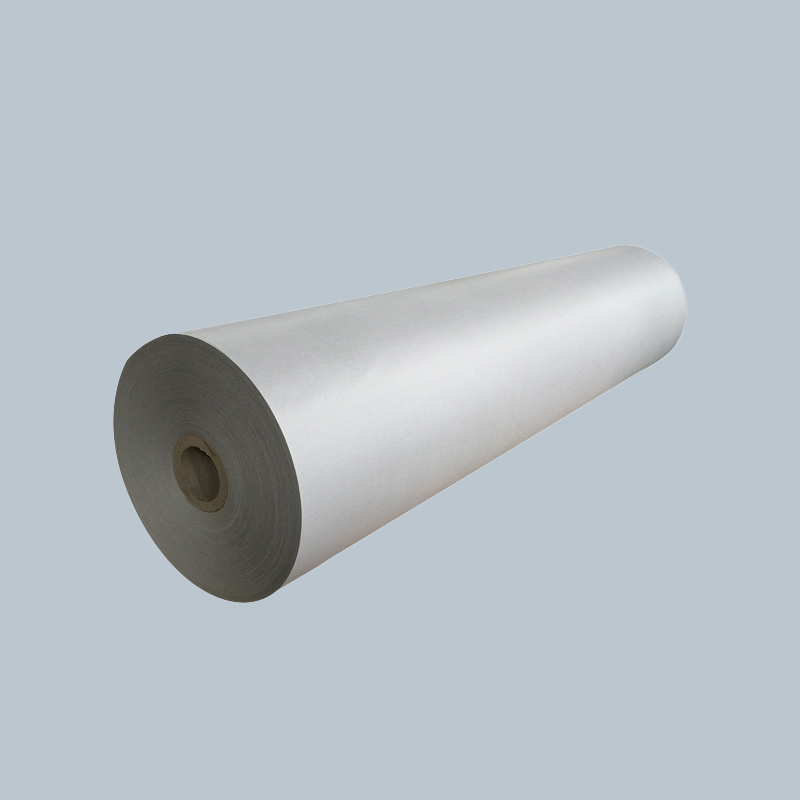
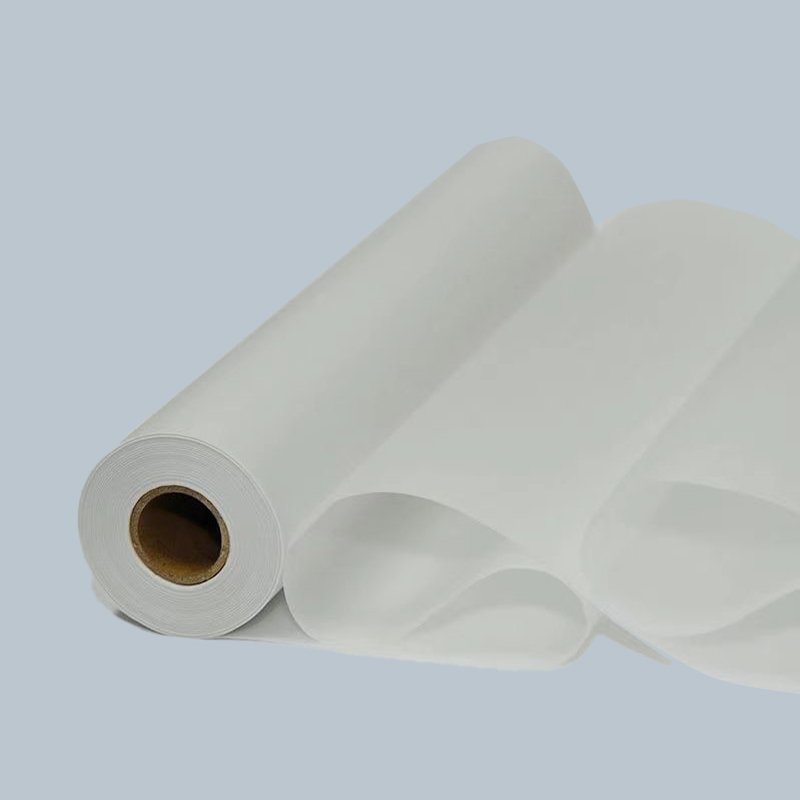
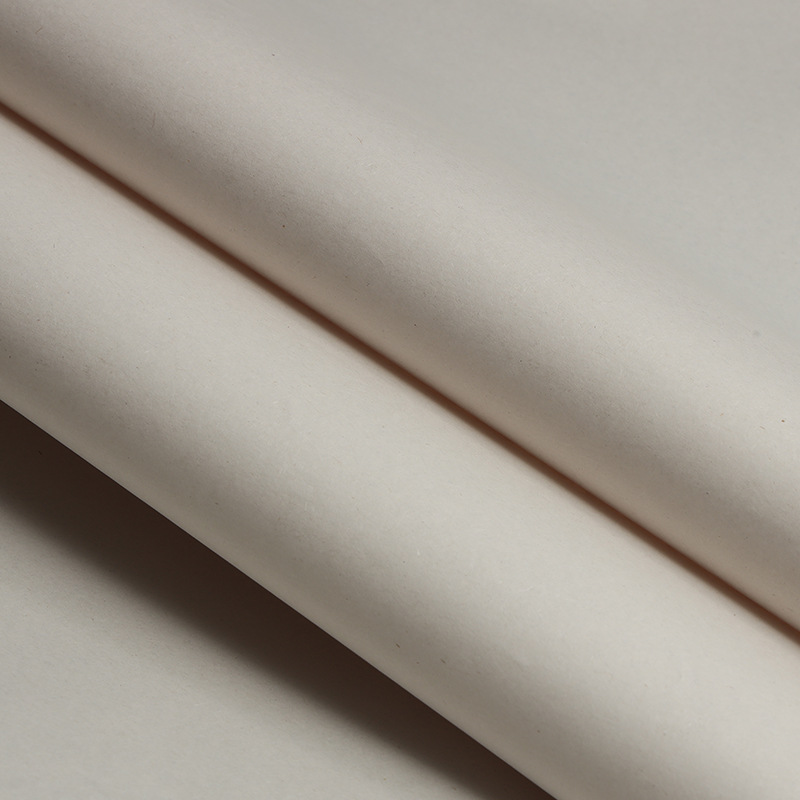
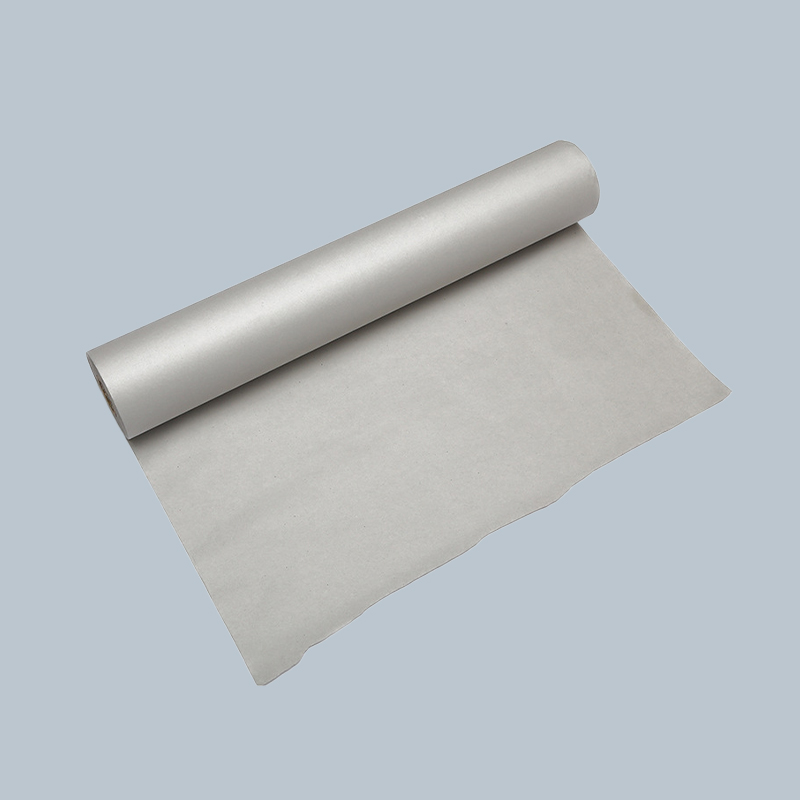
Newsprint is a low-cost, lightweight uncoated paper grade manufactured specifically for high-speed offset and flexographic newspaper printing. It is characterised by a basis weight typically ranging from 40 to 52 grams per square metre (gsm), a relatively rough surface, moderate brightness (usually 55 to 65 ISO), and a high mechanical pulp content that gives it its characteristic off-white appearance and slightly rough texture. Unlike fine printing and writing papers, newsprint is not designed for longevity — it yellows and becomes brittle relatively quickly due to the high lignin content of its mechanical pulp fibre furnish. Its design purpose is cost efficiency, printability at high press speeds, and sufficient dimensional stability to run through modern newspaper press systems producing tens of thousands of copies per hour.
Understanding the production process of newsprint requires understanding this performance-versus-cost optimisation. Every stage of manufacture — from raw material selection to the final reel — is engineered to produce a paper that meets the functional requirements of newspaper printing at the lowest possible cost per tonne. This focus makes newsprint manufacturing one of the most technically efficient and resource-intensive paper production processes in the global pulp and paper industry.
Raw Material Selection: Wood Species and Recycled Fibre
The fibre furnish for newsprint production is sourced from two primary raw material streams: virgin mechanical wood pulp derived from softwood logs and chips, and recovered paper (recycled newsprint and other recovered grades). The balance between these two streams varies by mill and region — Scandinavian and Canadian mills traditionally use high proportions of virgin mechanical pulp from abundant spruce and fir resources, while European and Asian mills typically incorporate 60 to 100 percent recovered paper fibre in response to regulatory recycling targets and lower availability of virgin wood fibre.
Softwood species — primarily spruce (Picea abies and Picea sitchensis), balsam fir, and jack pine — are the preferred raw materials for virgin newsprint pulp because their long, flexible fibre morphology (fibre length 2.5 to 4.5 mm) provides the tensile strength and formation quality required for high-speed printing. Hardwood species produce shorter fibres that improve formation uniformity but reduce tensile strength; they are sometimes used in minor proportions to improve sheet formation and surface smoothness. Log deliveries to the mill are debarked, chipped, and screened to produce a uniform chip size before entering the pulping process.
Mechanical Pulping: The Core Technology of Newsprint Production
The defining characteristic of newsprint manufacturing compared to fine paper production is the use of mechanical pulping rather than chemical (kraft) pulping. Mechanical pulping processes separate wood fibres by physical rather than chemical means, preserving virtually all of the wood's original lignin content — typically 25 to 30 percent of wood dry weight — rather than dissolving it as in kraft cooking. This high yield (90 to 95 percent of dry wood weight recovered as usable fibre) is the primary economic advantage of mechanical pulping and the fundamental reason newsprint can be produced at significantly lower cost than chemical pulp-based papers.
Groundwood Pulping (SGW and PGW)
Stone groundwood (SGW) is the oldest mechanical pulping process, in which debarked logs are pressed against the surface of a rotating grinding stone under water. The abrasive action of the stone separates fibres from the wood matrix. Pressurised groundwood (PGW) operates the same stone grinding process under elevated pressure and temperature (up to 3 bar, 120°C), which softens the lignin and produces longer, less-damaged fibres with improved strength properties compared to atmospheric SGW. PGW pulp typically achieves tensile index values 20 to 30 percent higher than SGW and is the dominant groundwood technology in modern newsprint mills that still use this process family.
Thermomechanical Pulping (TMP and CTMP)
Thermomechanical pulping (TMP) is the dominant virgin fibre pulping technology in modern newsprint mills. Wood chips are pre-steamed at 120 to 135°C to soften the lignin matrix, then fed between two counter-rotating disc refiners that separate fibres under intense mechanical shear. The pressurised refining environment maintains elevated temperature throughout the defibration process, resulting in fibres that are less cut and more intact than those from stone grinding. TMP produces pulp with superior tensile strength, tear resistance, and bulk compared to groundwood pulp, though it requires significantly more electrical energy — typically 1,800 to 2,500 kWh per tonne of pulp produced. Chemi-thermomechanical pulping (CTMP) applies a mild chemical pre-treatment (typically sodium sulphite or sodium hydroxide) before refining, further improving fibre quality and reducing refining energy requirements, and is used in newsprint mills seeking improved strength properties for thinner, lighter-weight grades.
Recovered Paper Processing and Deinking
Mills using recycled fibre process recovered paper through a dedicated deinking plant before the pulp can be used in newsprint production. The deinking process removes printing inks, coatings, adhesive contaminants, and non-paper materials from the recycled furnish to produce a clean fibre slurry suitable for papermaking.
The recovered paper bales are fed into a high-consistency pulper — a large mixing vessel with a rotor — where the paper is disintegrated in water at consistency levels of 12 to 16 percent. Alkali chemicals (sodium hydroxide, sodium silicate) and surfactants are added during pulping to detach ink particles from fibre surfaces through saponification and emulsification. The resulting slurry passes through a series of cleaning and screening stages — coarse screens remove large contaminants (staples, plastic fragments, oversized paper pieces), centrifugal cleaners remove dense particles (sand, glass, metallic inks), and fine pressure screens remove smaller stickies and coating fragments.
Flotation deinking is the key ink removal step. The pulp slurry is diluted to approximately 1 percent consistency and air is injected as fine bubbles through the flotation cell. Ink particles, which have been made hydrophobic by the surfactant treatment, attach to the rising air bubbles and are collected as a foam layer on the cell surface, which is skimmed and removed. Multiple flotation stages in series achieve progressively higher brightness levels. Dispersion of residual ink specks under heat and mechanical shear, followed by wash deinking for finer ink removal in some mill configurations, completes the deinking sequence before the recovered fibre enters the papermaking furnish system.
Stock Preparation: Blending, Refining, and Approach Flow
Before reaching the paper machine, the pulp streams from mechanical pulping and/or recovered paper processing are blended in the stock preparation system to achieve the target furnish composition. Small additions of long-fibre chemical pulp (kraft pulp) — typically 5 to 15 percent of the total furnish — are commonly made to provide the tensile strength reinforcement that pure mechanical pulp cannot deliver on its own, particularly for lighter-weight newsprint grades running at very high press speeds.
Disc refiners in the stock preparation system apply controlled mechanical treatment to the blended furnish, fibrillating fibre surfaces to increase inter-fibre bonding potential and adjusting the drainage characteristics of the stock to target values appropriate for the paper machine forming section. Over-refining reduces drainage rate and slows the machine; under-refining produces a sheet with insufficient tensile strength. The refining energy input is precisely controlled based on continuous freeness measurements (Canadian Standard Freeness is the standard test method), with target values typically between 80 and 150 mL CSF for newsprint furnish.
The approach flow system further dilutes the refined stock from approximately 3 to 4 percent consistency down to 0.3 to 0.8 percent (the "headbox consistency") and applies final cleaning through pressure screens and centrifugal cleaners to remove any residual contaminants before the stock enters the headbox. Chemical additives — retention aids (polyacrylamide-based flocculants), drainage aids, and optical brightening agents if brightness targets require them — are dosed into the approach flow at precise points in the system.
The Paper Machine: Forming, Pressing, and Drying
The newsprint paper machine converts the dilute fibre suspension into a dry, wound paper reel in a continuous high-speed process. Modern newsprint machines operate at speeds of 1,200 to 1,800 metres per minute and produce reels 8 to 10 metres wide — making them among the fastest and widest manufacturing processes of any kind in industrial production.
Forming Section
The headbox distributes the dilute stock suspension uniformly across the full machine width onto the forming fabric (a fine woven polymer mesh moving at machine speed). On modern newsprint machines, twin-wire or gap former configurations are standard — the stock is injected between two converging forming fabrics rather than being deposited onto a single fabric over a forming roll. Twin-wire forming produces a sheet with more symmetrical two-sidedness (the wire side and top side are more similar in surface characteristics) and better formation uniformity, which improves print quality. Water drains through both fabrics simultaneously, and the stock consistency increases from 0.5 percent at the headbox jet to approximately 18 to 22 percent at the end of the forming section — a dramatic concentration achieved within a few metres of wire travel through a combination of gravity drainage, vacuum suction through the fabric, and mechanical drainage elements.
Press Section
The wet web leaving the forming section at approximately 20 percent solids is transferred to the press section, where mechanical pressure applied through a series of roll nips removes additional water. Extended nip presses (shoe presses) are used in most modern newsprint machines — a hydraulically loaded concave shoe presses the web against a counter roll through a long nip rather than a point contact, applying sustained pressure that achieves higher water removal efficiency. Press sections typically raise the web consistency from 20 to 42–48 percent solids, reducing the thermal energy subsequently required in drying by a significant margin. Each percentage point of additional water removed mechanically in the press section saves approximately 2.5 kg of steam consumption per tonne of paper in the dryer section.
Drying Section
The press-dried web at 45 percent solids still contains more water than fibre by weight, and the drying section evaporates the remaining moisture using a long series of steam-heated cast iron drying cylinders — typically 60 to 80 cylinders arranged in two tiers. The web wraps around alternating top and bottom cylinders in an S-path, with contact heat transfer from the cylinder surfaces evaporating moisture through the web. Press felts (drying fabrics) hold the web against the cylinder surface and carry moisture away from the web surface. The drying section raises web solids content from approximately 46 to 92 to 95 percent — the target moisture content for newsprint (5 to 8 percent moisture) is critical, as over-dried newsprint becomes brittle and breaks on press, while under-dried newsprint causes dimensional stability and printing quality problems.
Calendering, Reeling, and Quality Control
After drying, the newsprint web passes through a calender — a stack of polished rolls that applies controlled pressure to smooth the paper surface and reduce thickness variation. Newsprint does not require the intensive calendering applied to coated printing papers, but a soft calender (typically two to four nips with a soft-covered roll against a hard roll) is used to achieve the target surface roughness and thickness uniformity required for consistent ink transfer on newspaper printing presses. Hard calendering is avoided as it reduces paper bulk and compresses the sheet structure, reducing the stiffness that newspaper handling requires.
The finished web is wound onto parent reels at the reel section and subsequently slit and rewound to customer-specified reel widths, core sizes, and reel diameters on separate winding and converting lines. Quality testing at multiple stages — headbox consistency, formation index, tensile strength, tear, brightness, opacity, moisture, and surface roughness — ensures the finished product meets the specifications set by newspaper publishers and printing house customers. The key quality parameters for newsprint are summarised below:
| Quality Parameter | Typical Specification Range | Significance |
|---|---|---|
| Basis Weight | 40–52 g/m² | Determines paper weight and printing cost |
| Brightness (ISO) | 55–65% | Print contrast and reader comfort |
| Tensile Index (MD) | 40–55 Nm/g | Press runnability at high speed |
| Moisture Content | 5–8% | Dimensional stability and brittleness |
| Roughness (Bendtsen) | 150–300 mL/min | Ink transfer uniformity and print sharpness |
| Opacity | 88–94% | Show-through control in two-sided printing |
Energy, Water, and Environmental Considerations in Newsprint Production
Newsprint production is an energy and water-intensive process. Mechanical pulping — the dominant pulping technology — is highly electricity-intensive, with TMP mills consuming 1,500 to 2,500 kWh of electrical energy per tonne of pulp, compared to 200 to 400 kWh for kraft chemical pulp mills. However, the high yield of mechanical pulping (90 to 95 percent versus 45 to 55 percent for kraft) means that less wood is required per tonne of pulp produced, partially offsetting the energy intensity on a per-tonne-of-paper basis. Many integrated newsprint mills generate a portion of their electrical energy from combined heat and power (CHP) systems burning biomass (bark and wood waste) from the log handling operations, reducing the proportion of grid electricity consumed.
- Closed water loops — modern newsprint mills operate with highly closed internal water systems, recycling process water from the paper machine white water system back to pulp dilution and stock preparation, minimising fresh water intake and effluent volume.
- Deinking sludge management — the ink-loaded foam and rejects from deinking plants generate significant volumes of sludge, which is typically burned in dedicated biomass boilers to recover thermal energy and reduce landfill disposal volumes.
- Recycled content targets — regulatory frameworks in the European Union and many Asian countries mandate minimum recycled content levels in newsprint, driving the industry toward higher recovered paper furnish proportions and investment in more efficient deinking technology.
- Heat recovery from TMP refiners — the electrical energy input to TMP refiners is almost entirely converted to steam within the pressurised refining zone. This refiner steam is recovered and used for drying section steam supply, significantly improving the overall energy efficiency of integrated TMP newsprint mills.
The production of newsprint thus represents a carefully balanced engineering system in which raw material efficiency, energy integration, water management, and product quality requirements are simultaneously optimised to deliver one of the world's most widely consumed paper grades at a cost point that makes mass-market newspaper publishing economically viable.