 English
 عربى
عربى Español


Content
- 1 Durability as a Core Requirement for Religious Texts
- 2 Thinness and Lightweight Design for Practical Use
- 3 High Opacity for Readability and Aesthetic Quality
- 4 Long-Term Stability and Aging Resistance
- 5 Fiber Composition and Strength
- 6 Balancing Flexibility and Strength in Multi-Page Volumes
- 7 Comparison with Standard Book Paper
- 8 Conclusion: The Enduring Choice for Religious Publications
Durability as a Core Requirement for Religious Texts
Bible paper is specifically engineered to meet the durability requirements of long-lasting religious texts. Religious books, particularly Bibles, are often used daily and passed down through generations. This frequent handling demands a paper that can withstand repeated page turns without tearing, curling, or losing structural integrity. Unlike ordinary book paper, which may degrade after extensive use, Bible paper maintains its strength while remaining thin and lightweight, allowing for large volumes of content in a compact format.
This durability is particularly important for religious communities and institutions that expect their texts to remain functional for decades. Whether used for personal study, liturgical purposes, or academic reference, the consistent performance of Bible paper ensures that the text remains legible and intact for long-term usage.
Thinness and Lightweight Design for Practical Use
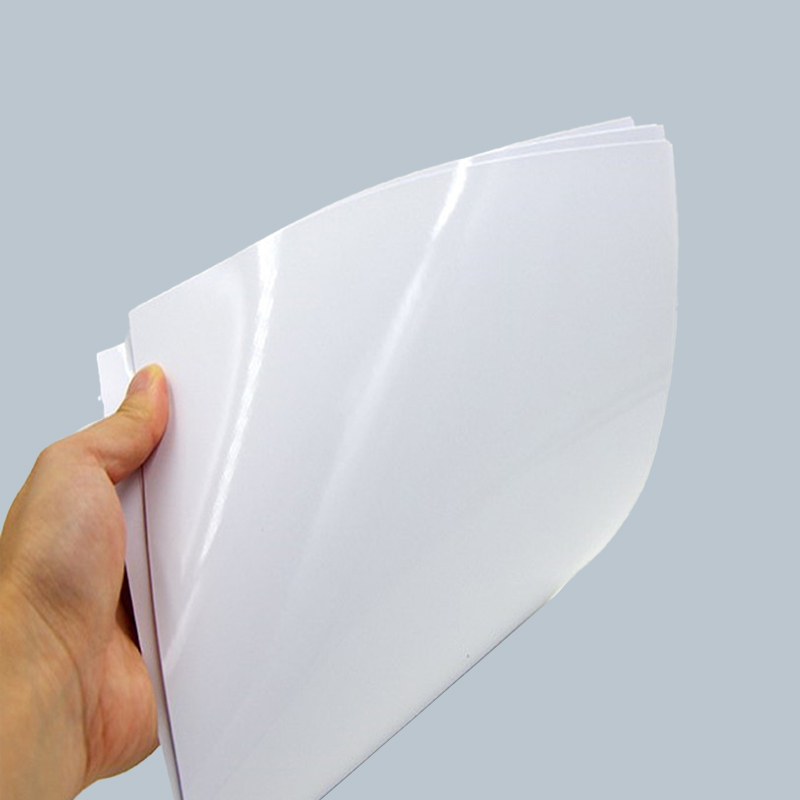
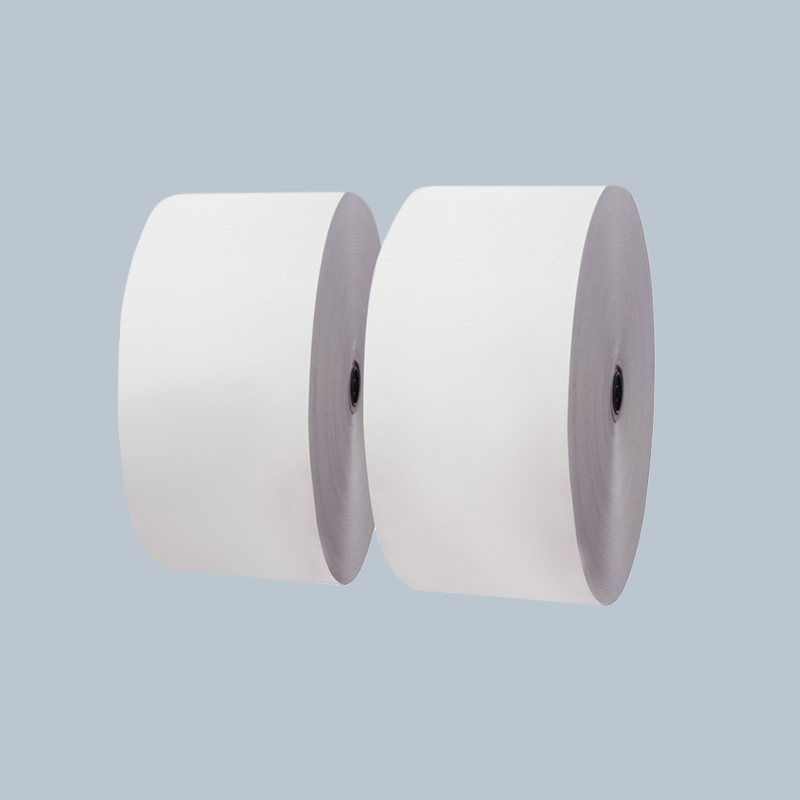
One of the defining features of Bible paper is its thinness, which allows thousands of pages to be included in a single volume without resulting in excessive bulk. This lightweight design is critical for practical use, enabling readers to hold and carry the text comfortably for extended periods. Heavy or thick pages could make a large book unwieldy, reducing the reader’s ability to engage with the text effectively.
Despite its thin profile, Bible paper is engineered for strength, combining lightweight construction with tear resistance and flexibility to maintain functionality throughout the book’s lifetime. Its ability to withstand pressure without damage allows publishers to bind large texts without compromising the longevity of individual pages.
High Opacity for Readability and Aesthetic Quality
High opacity is another reason Bible paper is preferred for religious texts. The paper prevents text from showing through from the opposite side, which is particularly important in multi-page volumes where clarity is essential for reading comfort and comprehension. This feature ensures that readers can focus on a single page without distraction, improving the reading experience.
Modern Bible paper often incorporates optical brighteners and high-quality fillers during manufacturing, which enhance opacity without adding extra thickness. This allows the paper to remain lightweight and flexible while maintaining excellent visual performance, giving the text a clean, professional, and aesthetically pleasing appearance.
Long-Term Stability and Aging Resistance
Religious texts are intended for long-term use, often spanning decades or even centuries. Bible paper is designed to resist aging, yellowing, and brittleness over time. Acid-free processing and careful pulp selection ensure chemical stability, which helps prevent the paper from degrading, even under environmental stresses such as light exposure, fluctuating humidity, and temperature changes.
This stability ensures that Bibles and other religious texts remain in excellent condition after years of repeated reading, making Bible paper the preferred choice for texts that are intended to endure for generations.
Fiber Composition and Strength
The unique strength of Bible paper originates from its carefully engineered fiber composition. High-quality long fibers, often from softwood or specialized pulp, provide structural integrity while maintaining flexibility. The fiber network is tightly bonded during papermaking, ensuring even stress distribution and minimizing weak points that could tear or crease during handling.
Additional treatments, including sizing and coating, enhance the paper's resistance to moisture, ink bleed, and abrasion, allowing the printed text to remain crisp and clear throughout years of daily use.
Balancing Flexibility and Strength in Multi-Page Volumes
The combination of flexibility and strength is crucial for Bibles, which often contain thousands of pages. Flexibility ensures that pages turn smoothly without tearing or crumpling, while strength ensures that the thin sheets maintain integrity under continuous handling and binding pressure.
This balance allows publishers to produce compact, high-page-count books that remain practical for everyday use, maintaining both the text’s usability and the aesthetic quality of the binding.
- Resists tearing and curling from repeated page turns.
- Maintains smooth texture for consistent reading comfort.
- Prevents ink bleed-through to ensure readability.
- Supports high page count without adding bulk or weight.
- Durable under varying environmental conditions, including humidity and light exposure.
Comparison with Standard Book Paper
| Property | Bible Paper | Standard Book Paper |
| Thickness | 25–45 gsm | 50–80 gsm |
| Flexibility | High | Moderate |
| Durability | Long-lasting, tear-resistant | Moderate, may degrade over time |
| Opacity | High | Variable, often lower |
Conclusion: The Enduring Choice for Religious Publications
Bible paper is chosen for long-lasting religious texts because it successfully combines strength, flexibility, high opacity, and resistance to aging. Its careful engineering ensures that large, multi-page volumes remain lightweight, portable, and durable, meeting the practical needs of readers while preserving the text for future generations.
For publishers, Bible paper provides a reliable solution that maintains the aesthetic quality, readability, and structural integrity of religious texts. Its consistent performance under repeated handling and environmental exposure ensures that Bibles and other religious books can serve as cherished, long-lasting references for decades, fulfilling both spiritual and practical requirements.
Ultimately, the combination of carefully selected fibers, optimized production techniques, and enhanced finishing makes Bible paper the enduring choice for producing high-quality, long-lasting religious texts that remain both functional and visually appealing for generations of readers.