 English
 عربى
عربى Español


Content
What Off White Newsprint 42gsm Is Made Of
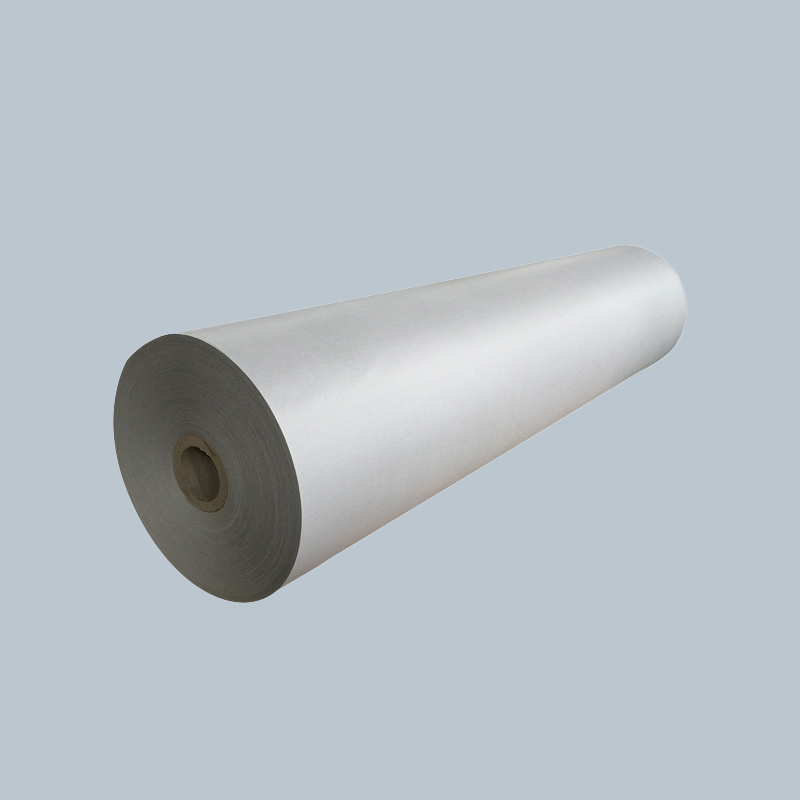
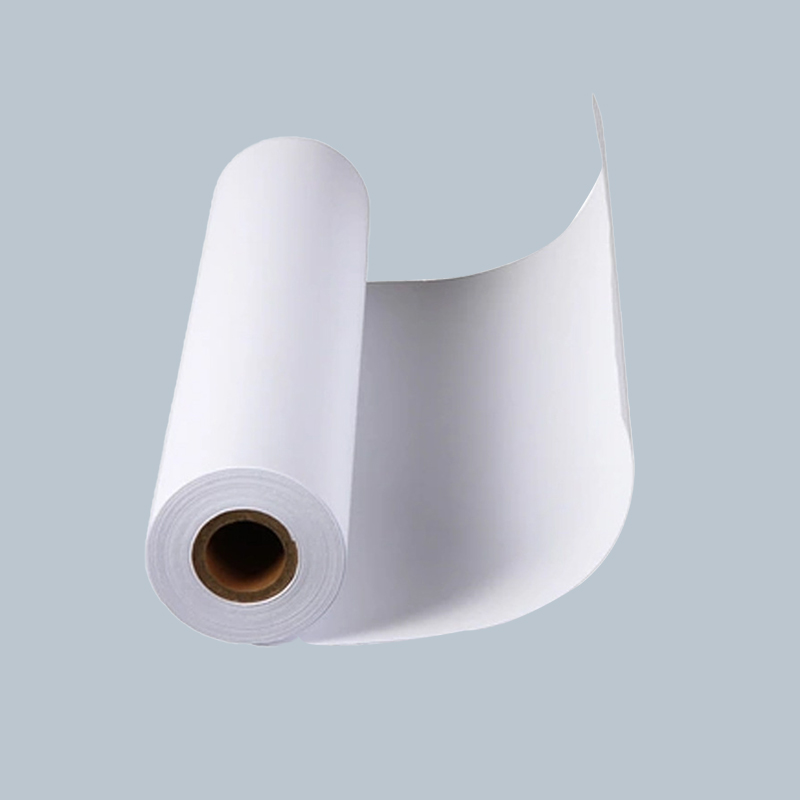
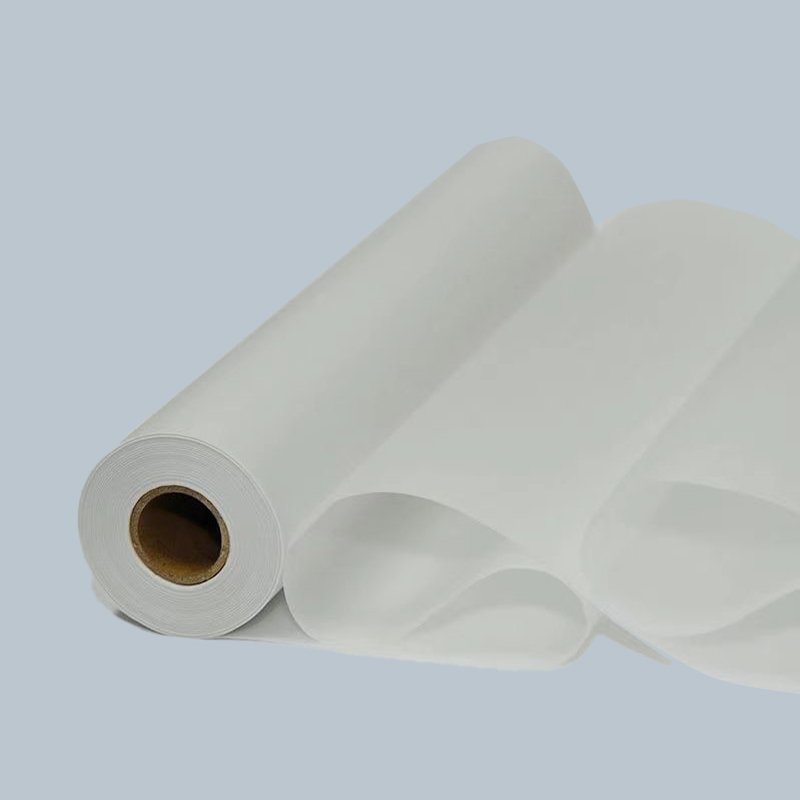
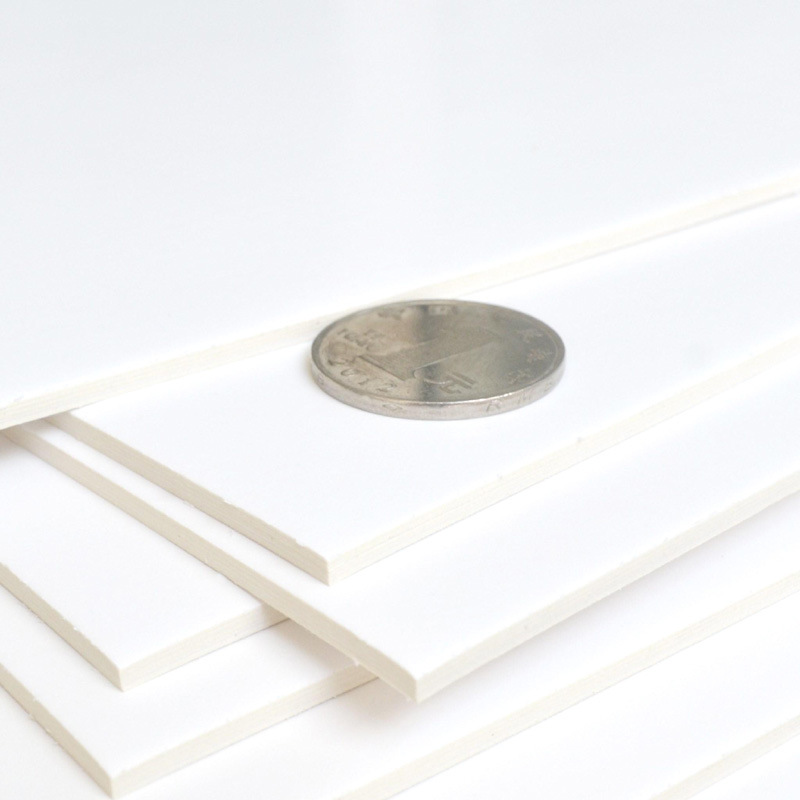
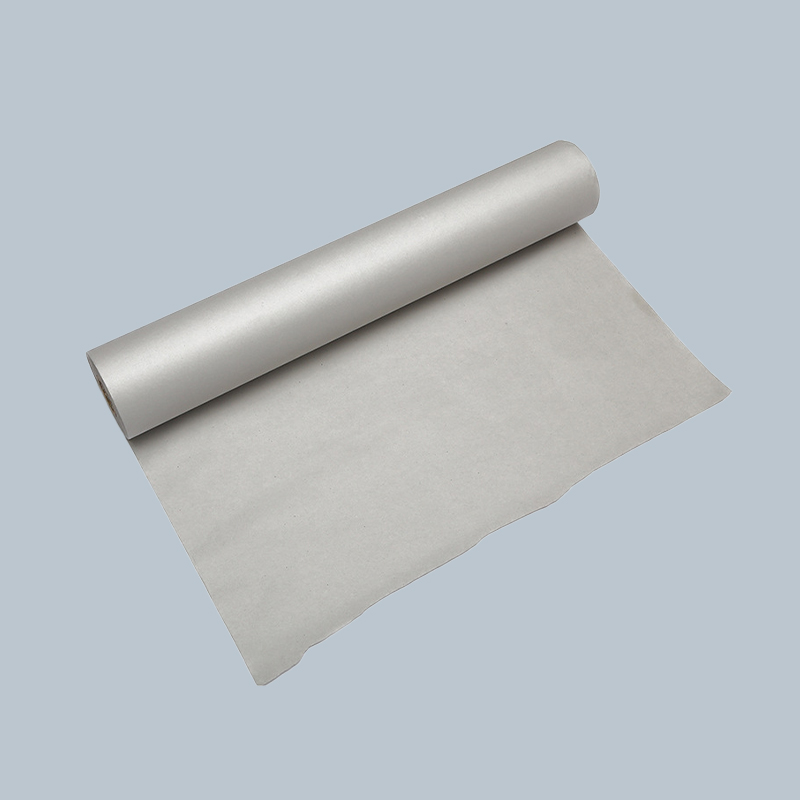
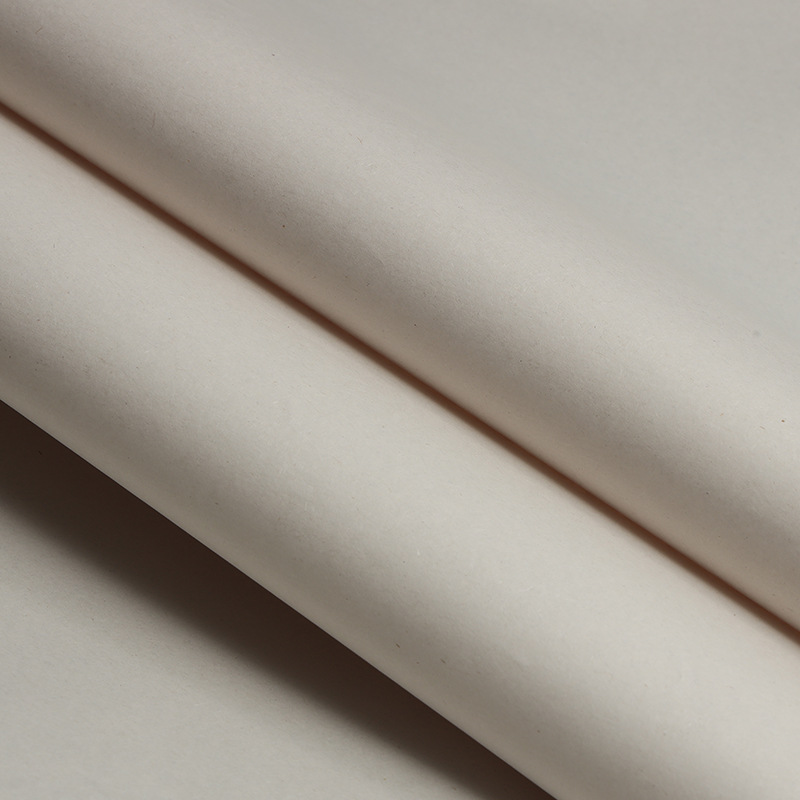
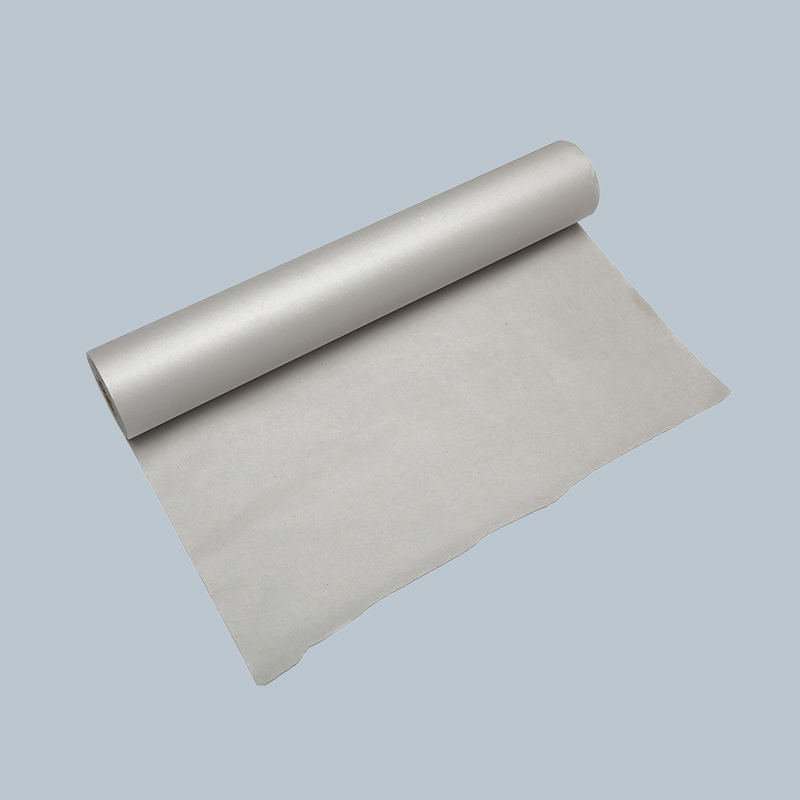
Off white newsprint at 42gsm is a lightweight paper composed primarily of groundwood pulp, with raw material sourced from either 100% recycled waste paper pulp or mechanical pulp combined with a small amount of bleached softwood pulp. This composition gives the paper its characteristic soft, off-white tone rather than the bright white finish found in premium printing papers. The mechanical pulping process retains more of the wood's natural lignin content compared to chemical pulping, which contributes to both the paper's texture and its cost efficiency.
At 42gsm, this paper sits toward the lighter end of the newsprint weight range, making it thin, flexible, and inexpensive to produce in bulk. The smooth surface finish allows it to accept ink cleanly during high-speed printing runs, which is one of the reasons newsprint has remained a standard choice for newspapers and magazines for over a century, and why it continues to serve well as a backing material in other applications.
Why 42gsm Weight Matters for Backing Paper Use
The gsm measurement, grams per square meter, indicates how much a given paper weighs relative to its surface area, and this figure directly affects how the paper performs in a backing role. At 42gsm, the paper is light enough to avoid adding unnecessary bulk or weight to whatever product it's supporting, while still maintaining enough structural integrity to serve its protective or separating function during handling and transport.
Balancing Thinness and Tear Resistance
Backing paper needs to withstand handling during manufacturing and packaging processes without tearing prematurely, yet it also needs to remain thin enough to peel away cleanly or fold without adding thickness to the final product. The 42gsm weight strikes this balance for many backing applications, offering enough tensile strength for standard handling while keeping material costs and shipping weight low.
Cost Efficiency at Scale
Because backing paper is often used in high volumes and then discarded or separated from the final product, keeping per-unit material cost low matters significantly for buyers. Lightweight newsprint at this gsm range allows manufacturers to use adequate protective backing without the cost burden of heavier specialty papers.
Common Applications Beyond Newspaper Printing
While newsprint's original and most recognized use remains newspaper and magazine printing, its physical properties make it useful across a range of other applications, particularly where it functions as a supporting or separating material rather than the primary printed surface.
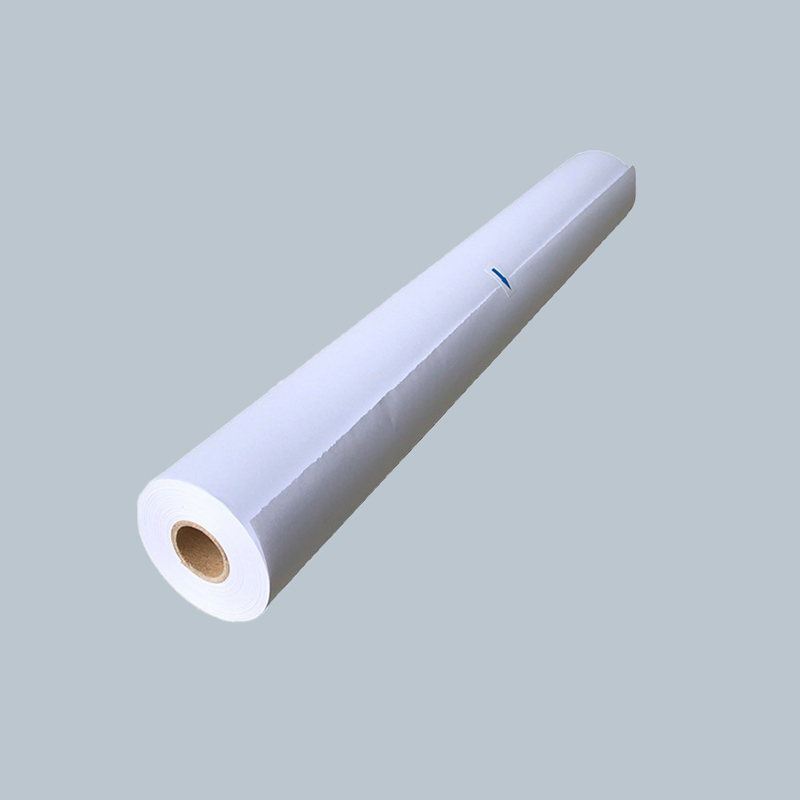
- Backing sheets for adhesive labels and stickers during production and packaging
- Interleaving paper between stacked printed materials to prevent ink transfer or smudging
- Wrapping and cushioning material for fragile goods during shipping
- Packing filler for void spaces in boxes to prevent product movement
- Craft and art applications where an off-white, textured base sheet is preferred over bright white stock
This versatility is part of why buyers across different industries, not just publishing, continue to source newsprint in bulk for operational use rather than only for editorial printing.
Off-White Color and Its Practical Benefits
The natural off-white tone of this newsprint isn't just a byproduct of the pulping process, it also offers practical advantages depending on the application. For printed newspaper and magazine use, the softer tone reduces glare under reading conditions and provides a gentler contrast against black ink compared to bright white paper, which can reduce eye strain during extended reading.
In backing paper applications, the off-white shade tends to blend more neutrally with a wider variety of product colors and packaging designs, since it doesn't introduce a stark white contrast that can sometimes clash with warmer product tones or branded packaging colors. This makes it a flexible choice for manufacturers working across diverse product lines without needing to match backing paper color precisely to each item.
Comparing Newsprint Weight Options
Newsprint is typically available across a range of gsm weights, and choosing the right one depends on the intended use. The table below outlines how different weights generally compare in terms of typical use case and handling characteristics.
| Weight (gsm) | Typical Use | Handling Characteristics |
| 38-40gsm | High-speed newspaper printing | Very lightweight, requires careful handling |
| 42gsm | Backing paper, general newspaper printing | Lightweight with slightly better tear resistance |
| 45-48gsm | Magazine inserts, supplements | Slightly more rigid, better opacity |
| 52gsm+ | Heavier print applications | More durable, higher material cost |
For backing paper specifically, 42gsm tends to be a practical middle ground, offering better durability than the lightest newsprint grades while still remaining considerably cheaper and thinner than heavier print stocks.
Storage and Handling Recommendations
Because newsprint is lightweight and made largely from mechanical pulp, it's more sensitive to humidity and handling conditions than heavier, chemically pulped papers. Proper storage helps preserve its printing quality and prevents issues during high-speed production runs.
- Store rolls or sheets in a climate-controlled environment away from direct humidity exposure
- Avoid stacking heavy materials on top of stored newsprint to prevent creasing or compression damage
- Keep paper wrapped or covered when not in immediate use to reduce dust accumulation and moisture absorption
- Allow paper to acclimate to room temperature before running it through printing equipment if it has been stored in a different climate zone
Following these basic storage practices reduces waste from misfeeds, tearing, or print quality issues that can occur when newsprint absorbs excess moisture or becomes brittle from improper handling.
Sourcing Considerations for Bulk Buyers
Buyers purchasing off white newsprint at 42gsm in bulk, whether for printing or backing paper applications, benefit from confirming a few key details with their supplier before placing large orders. Verifying the exact pulp composition, whether it's fully recycled content or blended with virgin softwood pulp, helps ensure consistency across production batches, since pulp source can subtly affect color tone and strength. It's also worth requesting sample rolls or sheets to test tear resistance and ink absorption under actual production conditions before committing to a full shipment, particularly for buyers integrating the paper into an automated backing or printing line where consistency matters more than for one-off manual use.