 English
 عربى
عربى Español


Content
- 1 What Defines Newsprint Paper as a Material
- 2 Understanding Basis Weight and How It Affects Performance
- 3 Roll and Sheet Sizing for Different Production Needs
- 4 Newspaper Printing: The Traditional Core Application
- 5 Flower Packaging and Protective Wrapping Uses
- 6 Clothing Padding and Garment Industry Applications
- 7 Drawing and Educational Paper Applications
- 8 Key Factors to Evaluate When Sourcing Newsprint Paper
What Defines Newsprint Paper as a Material
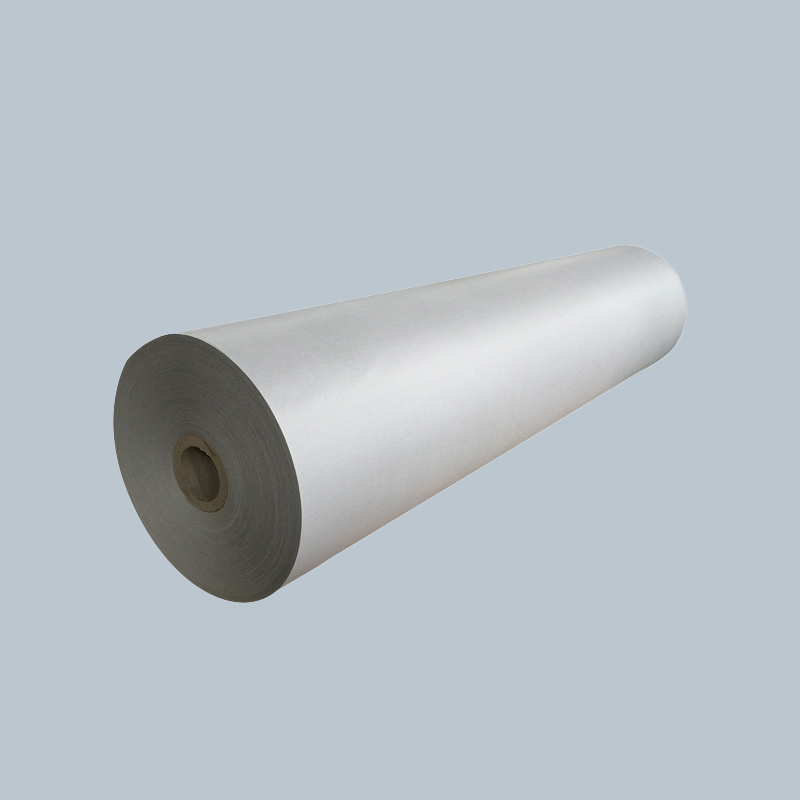
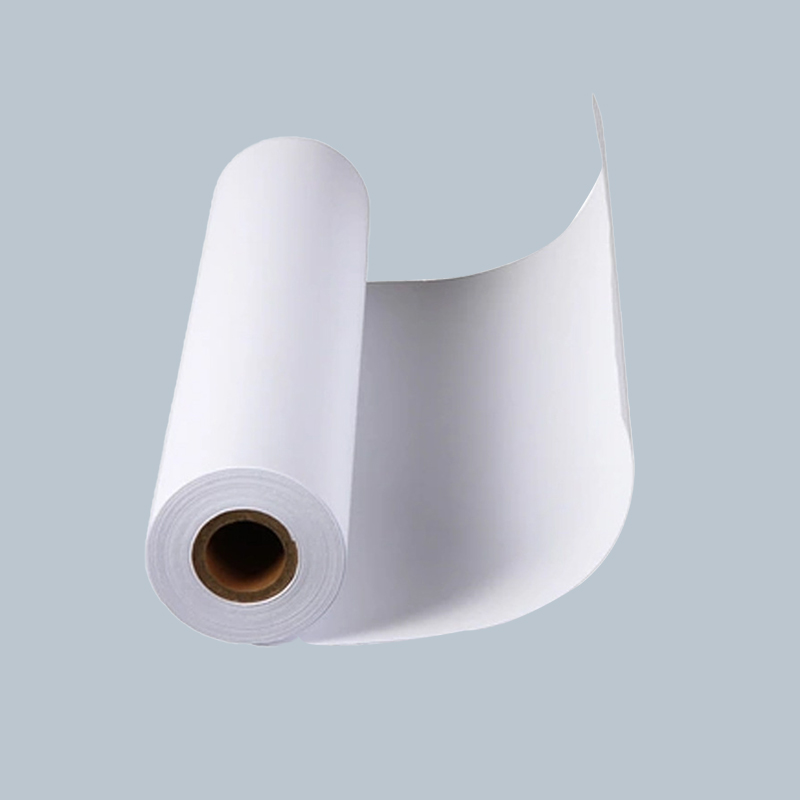
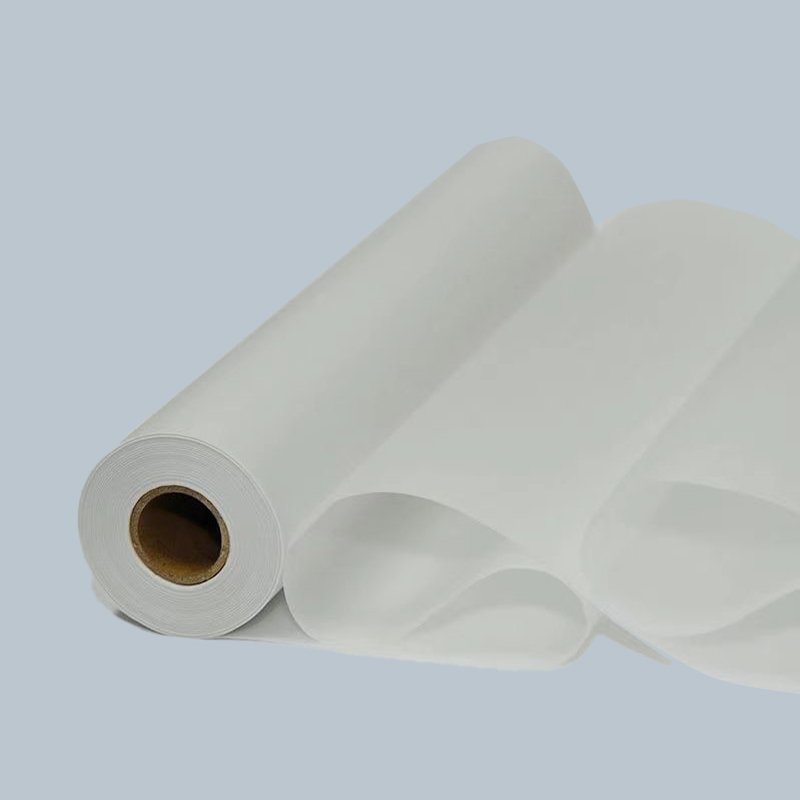
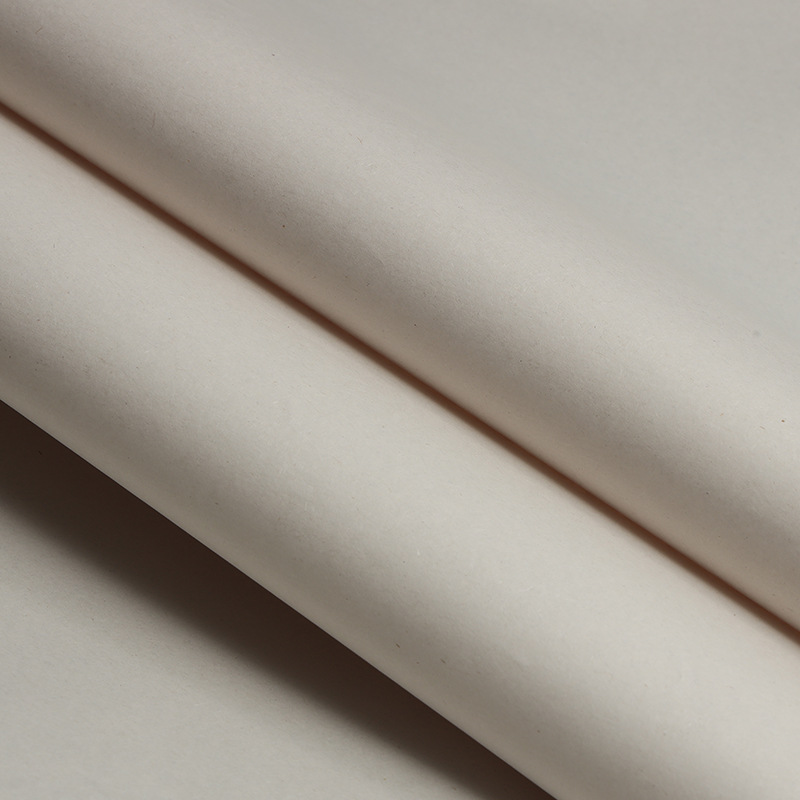
Newsprint paper is a lightweight, uncoated paper grade originally developed for high-speed newspaper printing but now used across a much wider range of packaging and craft applications. It is typically produced from mechanical or recycled pulp, giving it a slightly rougher surface texture and a characteristic off-white or grayish tone compared to coated printing papers. The defining characteristics of newsprint are its low basis weight, high opacity relative to its thinness, and enough absorbency to accept ink quickly without excessive bleed-through, which is essential for high-speed web offset printing presses.
Basis weight, measured in grams per square meter (gsm), is the primary specification buyers use to describe newsprint. A 35-60gsm range covers most standard applications, with lighter weights favored where cost efficiency and high-volume runs matter most, and slightly heavier weights chosen when the paper needs more rigidity or opacity, such as for packaging or padding uses rather than pure print media.
Understanding Basis Weight and How It Affects Performance
The gsm rating of newsprint directly influences how the paper behaves on press, how it feels to handle, and how well it performs in its end application. Lighter grades in the 35-42gsm range are common for standard newspaper runs where the priority is minimizing material cost across very large print volumes. Mid-range grades around 45-52gsm strike a balance between opacity and cost, often chosen for publications with heavier ink coverage or color printing where show-through needs to be minimized. Heavier grades toward 55-60gsm are typically selected for applications outside traditional newspaper printing, such as packaging interleaving or padding, where the paper needs enough body to provide cushioning or structural separation between products.
| Basis Weight Range | Typical Use Case |
| 35-42gsm | High-volume newspaper printing, cost-sensitive runs |
| 43-50gsm | Newspapers with heavier ink coverage, general drawing paper |
| 51-60gsm | Flower and product packaging, clothing padding, protective interleaving |
Roll and Sheet Sizing for Different Production Needs
Newsprint is supplied in two primary formats, and choosing correctly between them depends on how the buyer's equipment processes the material.
Roll Width Options
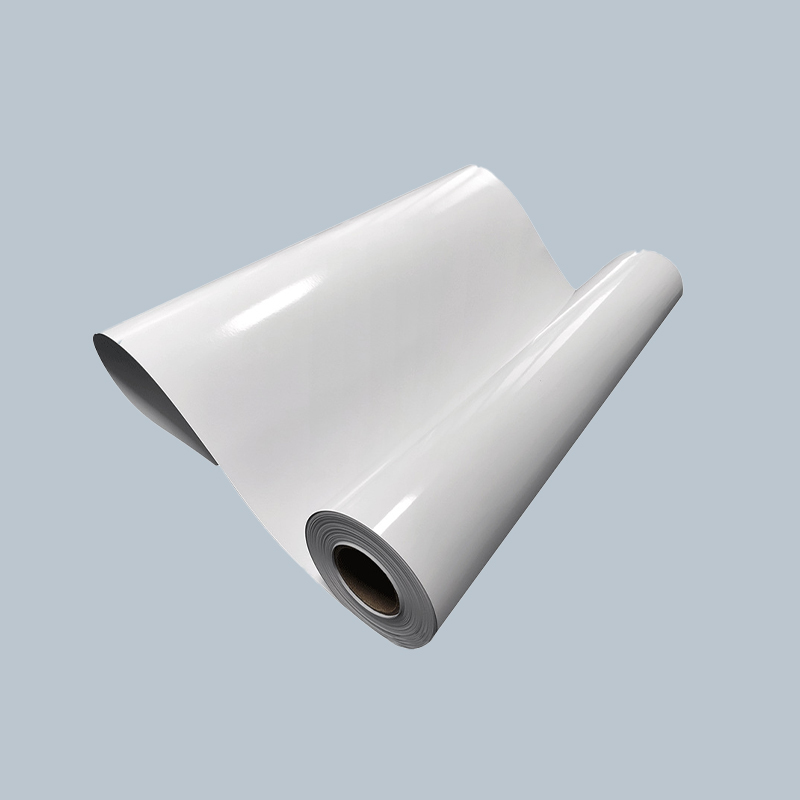
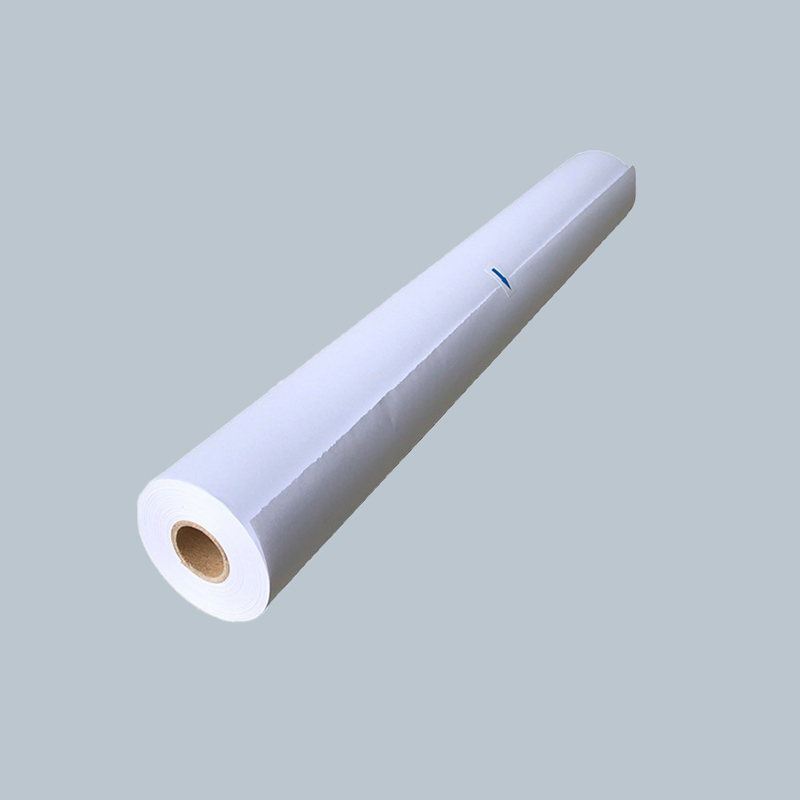
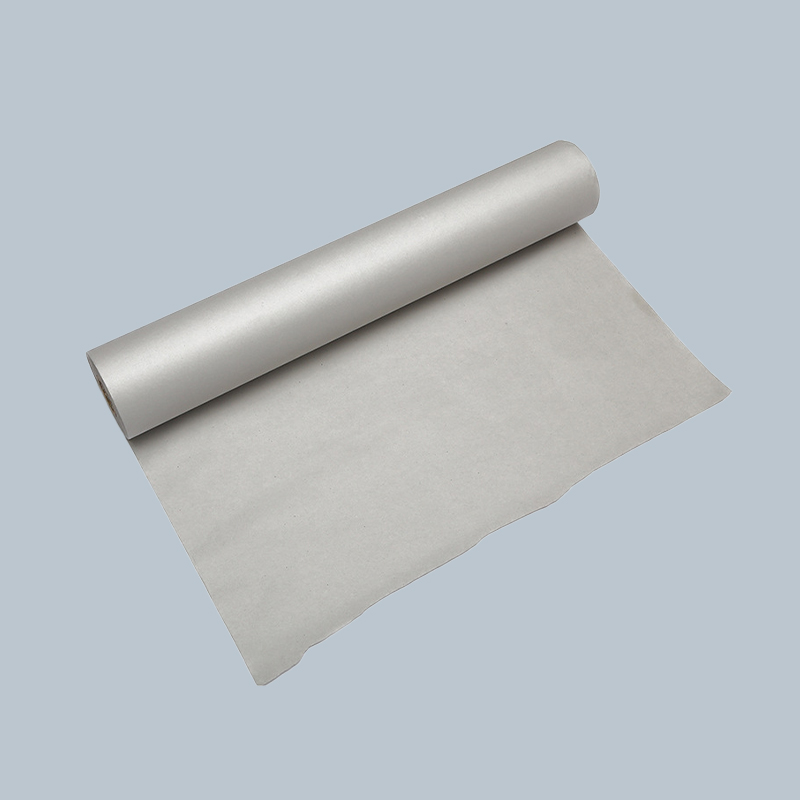
Roll widths from 600mm to 3200mm accommodate everything from small desktop or specialty presses to large-format web offset newspaper presses and industrial packaging lines. Narrower rolls in the 600-1000mm range suit smaller printing operations, craft paper converters, or packaging lines that need narrower strips for wrapping or padding. Wider rolls above 2000mm are typically used by large newspaper printers or packaging manufacturers running high-throughput slitting and rewinding equipment, where fewer roll changes translate directly into production efficiency.
Standard Sheet Sizes
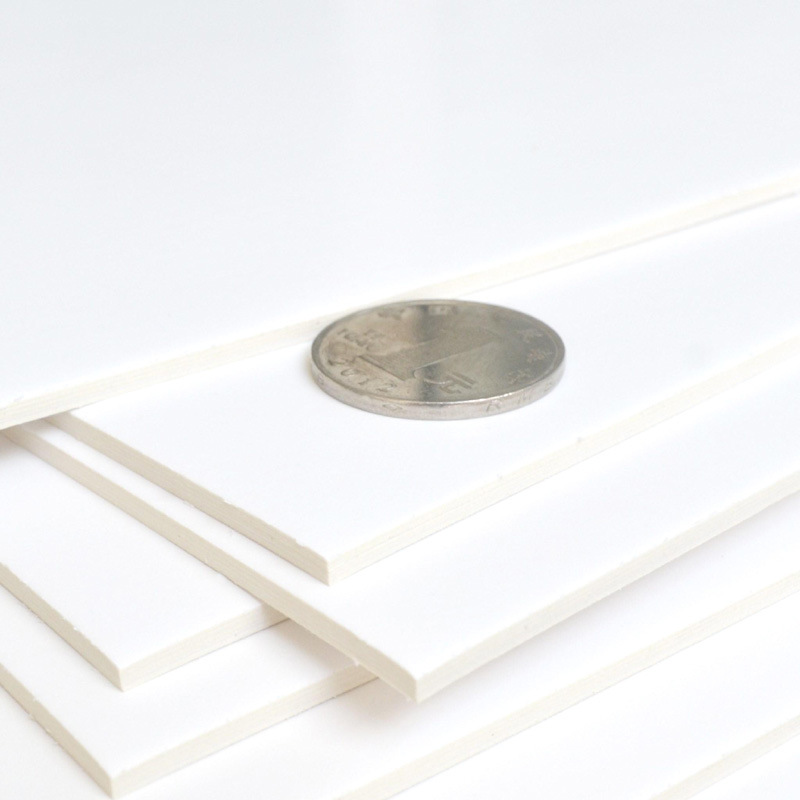
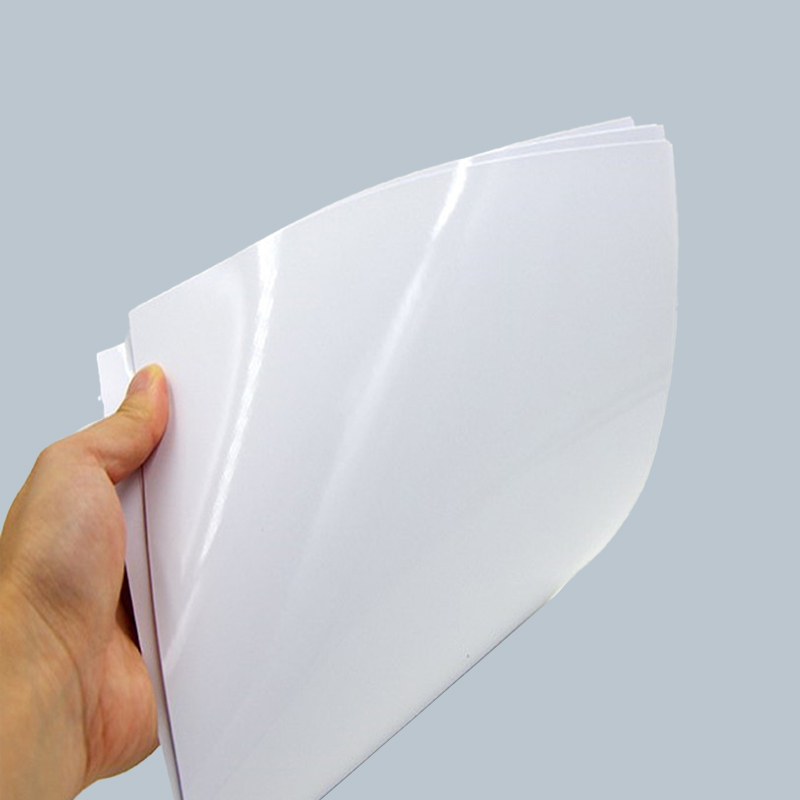
For buyers who need pre-cut sheets rather than rolls, standard sizes of 700×1000mm, 787×1092mm, and 889×1194mm cover the most common international paper size conventions, while A3 and A4 sheets serve smaller-scale printing, drawing, and craft applications. Because paper needs vary by region and end use, custom sizing is available for buyers whose equipment or application requires dimensions outside these standard offerings.
Newspaper Printing: The Traditional Core Application
Newspaper printing remains the application that shaped newsprint's core specifications. High-speed web offset presses run continuous rolls through the printing units at significant speed, which demands paper with consistent caliper, minimal dust generation, and enough tensile strength to withstand the tension of the press without tearing. Print quality on newsprint depends heavily on the paper's ink absorbency and opacity, since newspapers are typically printed on both sides and any excessive show-through would make text and images on the reverse side interfere with readability.
Runnability, the paper industry term for how well a roll performs on press without breaks or jams, is one of the most important quality factors for newspaper printers. Consistent moisture content, uniform caliper across the roll width, and properly wound rolls with even tension all contribute to fewer press stops, which directly affects a printer's production efficiency and deadline reliability.
Flower Packaging and Protective Wrapping Uses
Newsprint's combination of light weight, softness, and moderate stiffness makes it a practical wrapping material for cut flowers and floral arrangements. It provides a breathable layer that protects delicate petals from bruising and abrasion during transport without trapping excess moisture the way a plastic wrap might, which helps extend the freshness of the flowers. Florists and wholesale flower distributors often prefer plain, unprinted newsprint sheets specifically for this reason, since the paper needs to be clean, food-safe in the sense of not transferring ink or chemicals onto delicate plant material, and available in consistent sheet sizes for efficient wrapping.
Clothing Padding and Garment Industry Applications
In apparel manufacturing and retail packaging, newsprint is commonly used as padding and interleaving paper to maintain the shape of folded garments, prevent creasing during shipment, and separate layers of clothing to avoid dye transfer or friction damage between fabrics. Tissue-weight and mid-weight newsprint sheets are stuffed into sleeves, collars, and other structured areas of garments to help them hold their retail-ready shape inside boxes or on hangers during transit. Because this application does not require printing, unprinted newsprint rolls or sheets in the 45-55gsm range are typically specified, balancing enough body to hold shape with a low enough weight to avoid adding unnecessary shipping bulk.
Drawing and Educational Paper Applications
Newsprint's absorbent surface and economical cost also make it a popular substrate for drawing paper used in schools, art studios, and sketching pads, particularly for practice work such as charcoal sketching, life drawing sessions, and classroom art projects where high-volume, low-cost paper is more practical than archival-grade drawing stock. The slightly toothy surface texture of newsprint holds charcoal and pencil marks well, though its acidic composition means it is not intended for long-term archival storage, making it best suited for practice and educational use rather than finished artwork meant to last for decades.
Key Factors to Evaluate When Sourcing Newsprint Paper
Buyers sourcing newsprint at scale should evaluate several factors beyond basis weight and size to ensure the paper performs consistently across their intended application.
- Brightness and shade consistency across production batches, which affects print contrast and visual appearance in wrapping applications.
- Roll winding quality, including tension consistency and freedom from core damage, which directly affects press runnability.
- Moisture content stability, since paper that is too dry becomes brittle and prone to breaks, while paper that is too moist can cause printing and handling issues.
- Availability of custom roll widths and sheet sizes to match existing equipment without requiring costly retooling.
- Delivery reliability and packaging customization, particularly for buyers running continuous production schedules that cannot tolerate supply interruptions.
Reliable supply of newsprint paper depends on a producer's ability to combine consistent quality control with the flexibility to match specific roll widths, sheet dimensions, and packaging requirements to each buyer's production line, while maintaining the delivery timelines that high-volume printing and packaging operations depend on.