 English
 عربى
عربى Español


Content
What Is Tracing Paper?
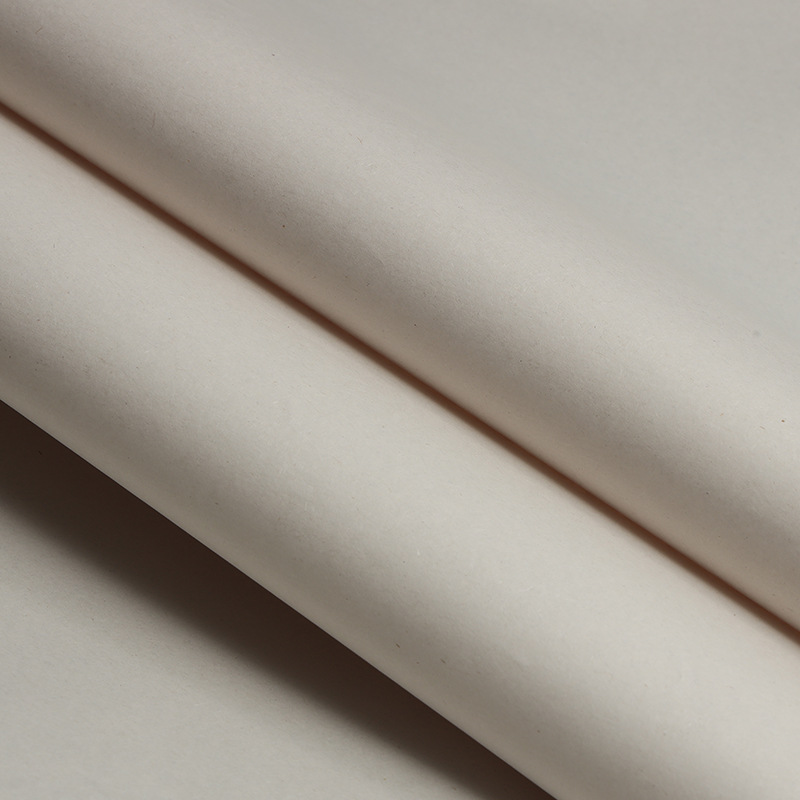
Tracing paper is a translucent or semi-transparent sheet material made from highly refined wood pulp that has been treated to reduce opacity. Unlike standard drawing paper, it allows light to pass through enough that you can place it over an existing image and reproduce its outlines with precision. It is widely used in art, design, architecture, engineering, fashion, and education — anywhere accurate reproduction or overlay work is needed. The degree of transparency, weight, and surface texture varies significantly between products, which is why understanding how tracing paper works is the first step toward buying the right kind for your needs.
Common Uses of Tracing Paper
Drawing and Fine Art
Artists use tracing paper to transfer sketches, refine compositions, and experiment with alterations without touching the original artwork. By layering sheets, a painter or illustrator can test different elements — a repositioned arm, a shifted horizon line — before committing to a final piece. Tracing paper is also popular for gesture drawing practice, where students place it over master drawings to study proportions and line quality firsthand.
Graphic Design and Technical Drawing
Before digital tools became standard, graphic designers and architects relied almost entirely on tracing paper for overlays, revisions, and presentations. Even today, many professionals use it alongside CAD software for hand-annotation, quick mark-ups, or exploring concepts at the early stages of a project when a screen feels too rigid. Engineers use it for technical diagrams where precise line reproduction over a reference grid is essential.
Sewing and Pattern Making
In fashion and home sewing, tracing paper is used to copy patterns from books or original garments without cutting the source material. Dressmakers trace pattern pieces, add seam allowances, and adjust sizing — all on tracing paper — before cutting into expensive fabric. Specialty dressmaker's tracing paper, sometimes called carbon tracing paper, includes a coated side that transfers chalk or wax marks directly onto fabric when pressed with a tracing wheel.
Calligraphy and Lettering Practice
Calligraphy students place tracing paper over printed exemplars to practice letterforms at full size. Because the paper is thin and smooth enough to accept ink from dip pens and brush pens, it provides a low-cost way to build muscle memory without wasting quality paper. The same approach applies to hand lettering and typography, where designers trace over printed type to understand spacing and stroke weight before designing original letterforms.
Crafts, Scrapbooking, and DIY Projects
Crafters use tracing paper to transfer decorative designs onto wood, fabric, ceramics, and other surfaces. It also appears in bookbinding as a protective interleaving sheet and in scrapbooking as a delicate overlay that softens photos. Origami artists use ultra-thin tracing paper — sometimes called glassine — because its light weight allows complex folds that thicker papers cannot achieve.
Types of Tracing Paper Explained
Not all tracing paper is alike. The table below outlines the main categories you will encounter when shopping, along with their typical applications and key properties.
| Type | Weight (gsm) | Transparency | Best For |
| Lightweight Tracing Paper | 40–50 gsm | High | Sketching, calligraphy practice, origami |
| Medium-Weight Tracing Paper | 60–80 gsm | Medium–High | Illustration, design overlays, pattern copying |
| Heavyweight Drafting Vellum | 90–110 gsm | Medium | Architecture, engineering, technical drafting |
| Dressmaker's Carbon Tracing Paper | Varies | Low (coated) | Fabric pattern transfer, sewing |
| Glassine | 30–40 gsm | Very High | Interleaving, bookbinding, delicate crafts |
How to Choose the Right Tracing Paper
Consider the Weight and Thickness
Paper weight, measured in grams per square meter (gsm), directly affects how the sheet handles and how well it accepts media. Lighter paper (40–50 gsm) is excellent for quick sketching and layering multiple sheets, but it tears easily under heavy pen pressure and does not hold up well to erasing. Heavier paper (80–110 gsm) is more durable and can withstand repeated corrections, making it the right choice for professional technical drawings and serious illustration work.
Match the Paper to Your Drawing Medium
Different tools require different paper surfaces. Pencil and fine-liner pens work well on most standard tracing paper. However, alcohol-based markers bleed through thin sheets rapidly, so you need a heavier, denser vellum. Watercolour and wet media are generally incompatible with tracing paper unless the product is specifically marketed as accepting wet media. Dip pen and calligraphy ink usually perform well on smooth, sized tracing paper — check that the product does not feather or bleed before committing to a full project.
Roll vs. Pad vs. Individual Sheets
Tracing paper is sold in three main formats, each suited to different working styles:
- Pads are the most convenient for studio use. Sizes typically range from A5 to A1, and the bound format keeps sheets flat and ready to tear off cleanly.
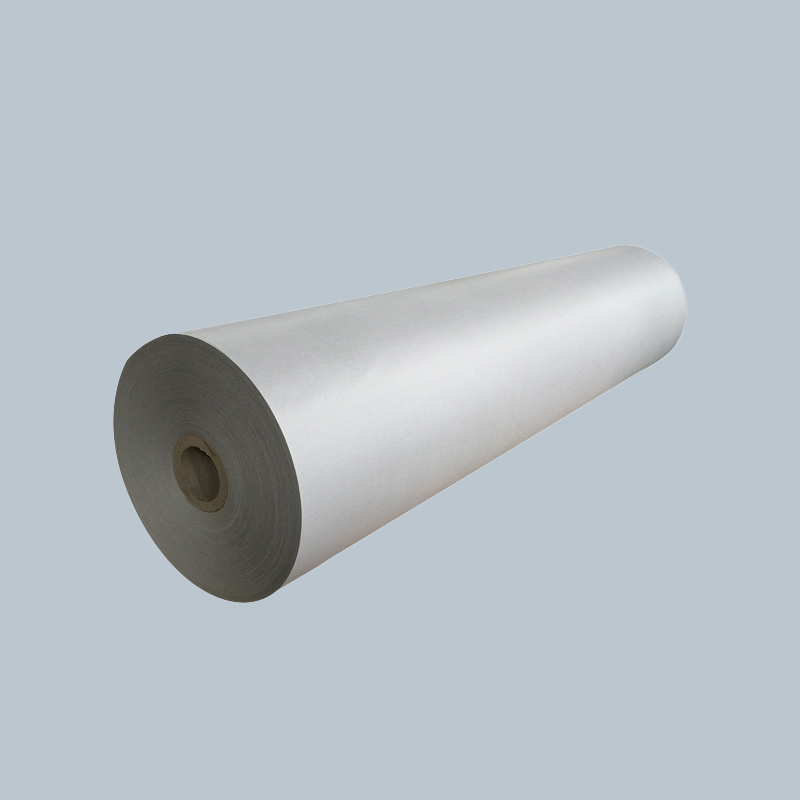
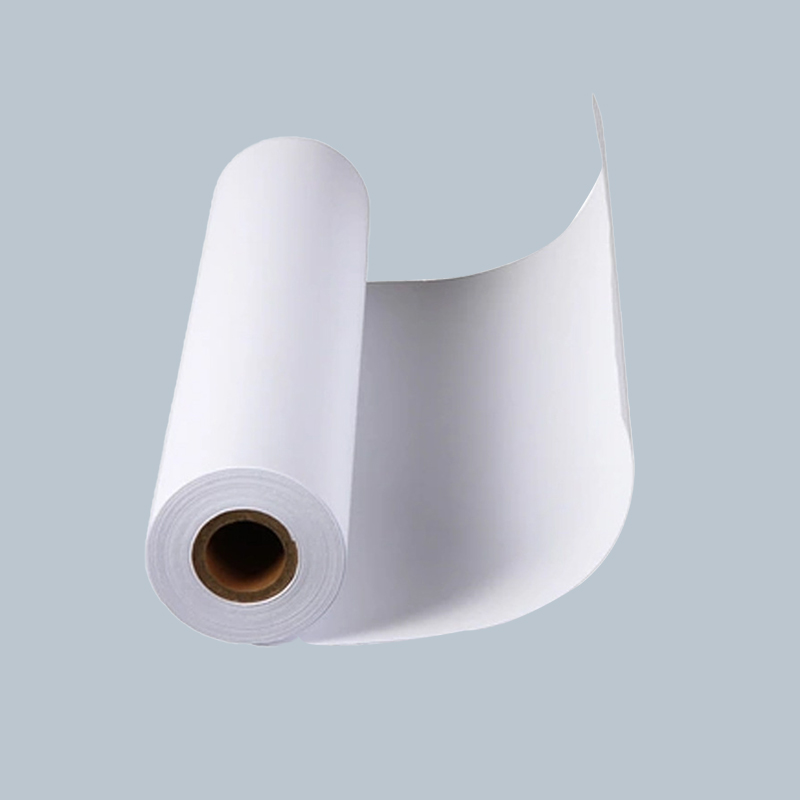
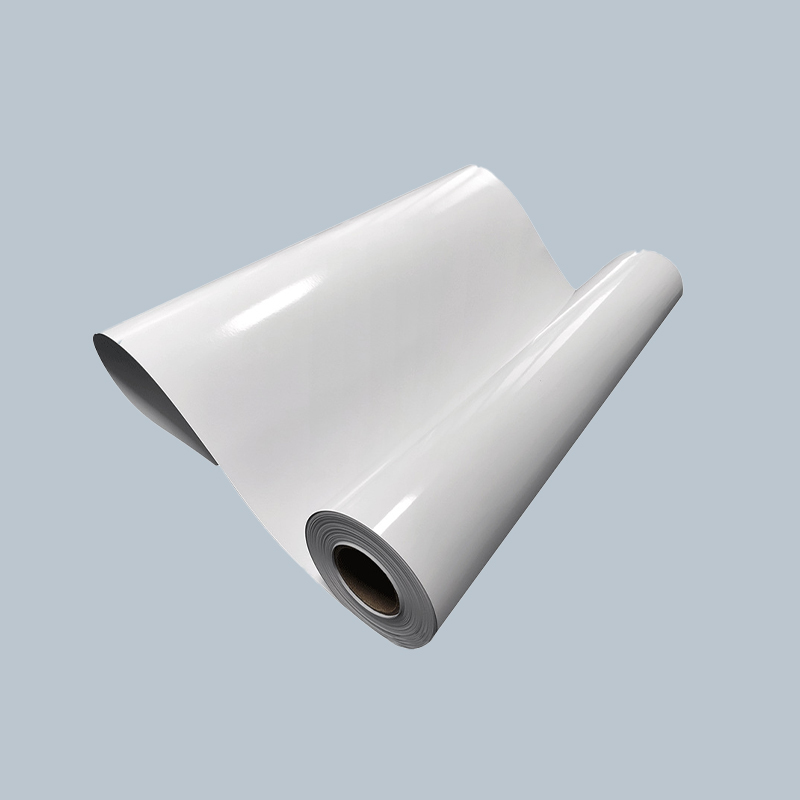
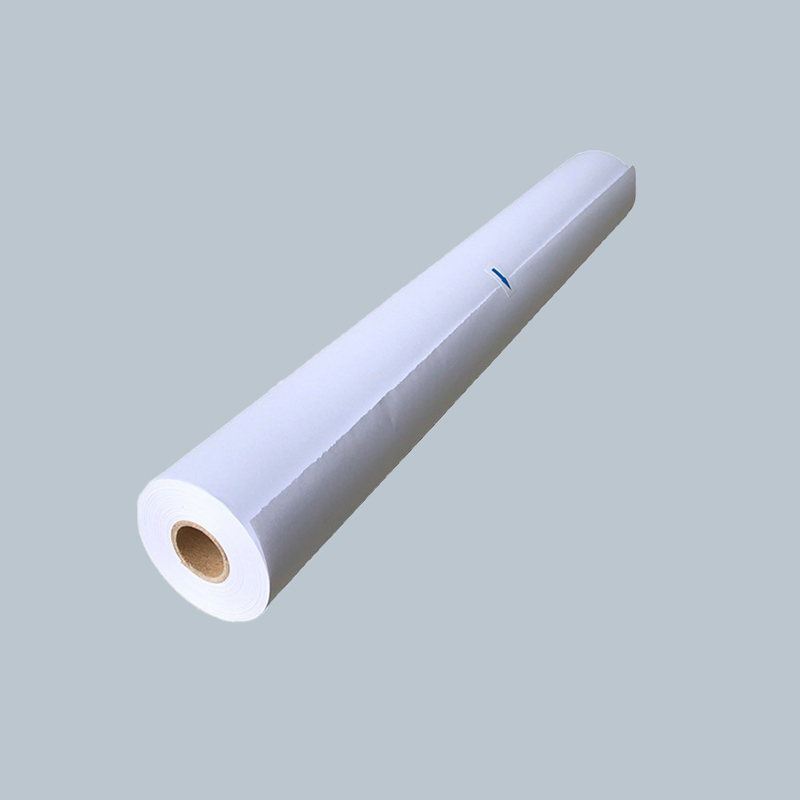
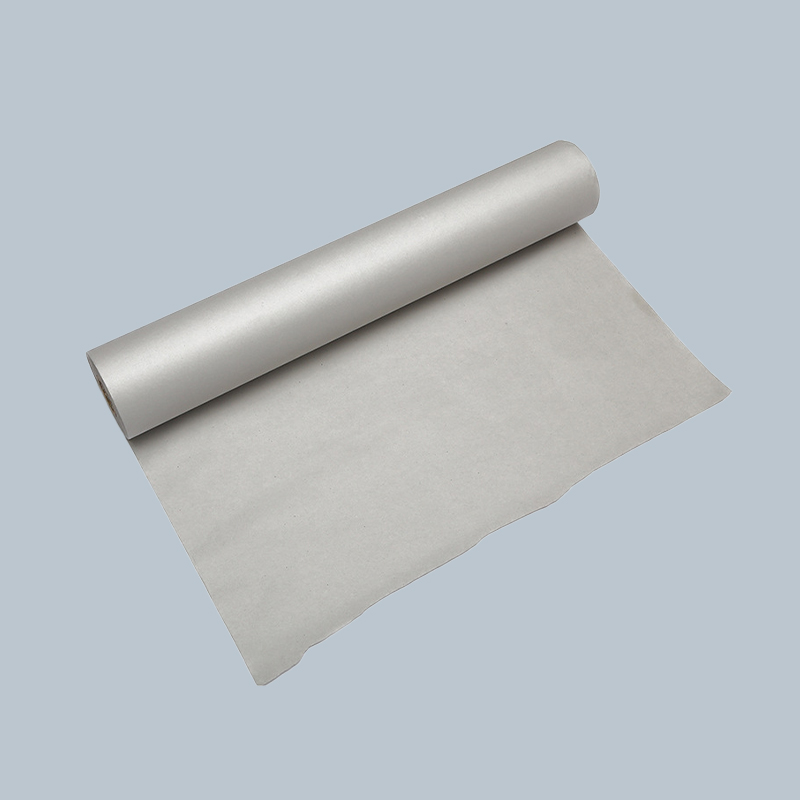
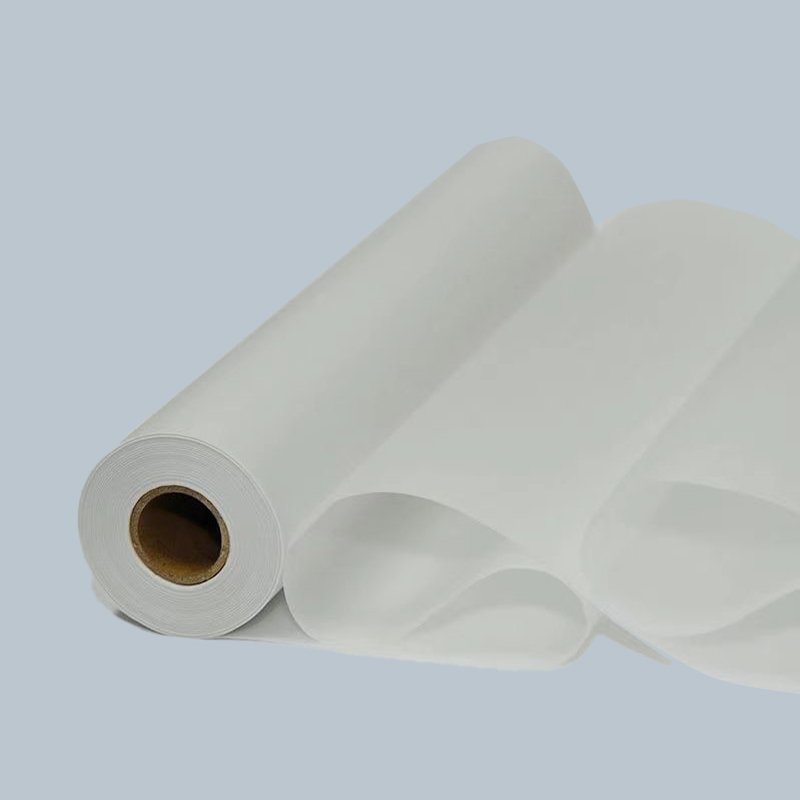
- Rolls are ideal for architects, engineers, and pattern makers who work with large-format drawings. A standard roll might be 50 metres long and 0.5–1 metre wide, offering economy and flexibility for oversized work.
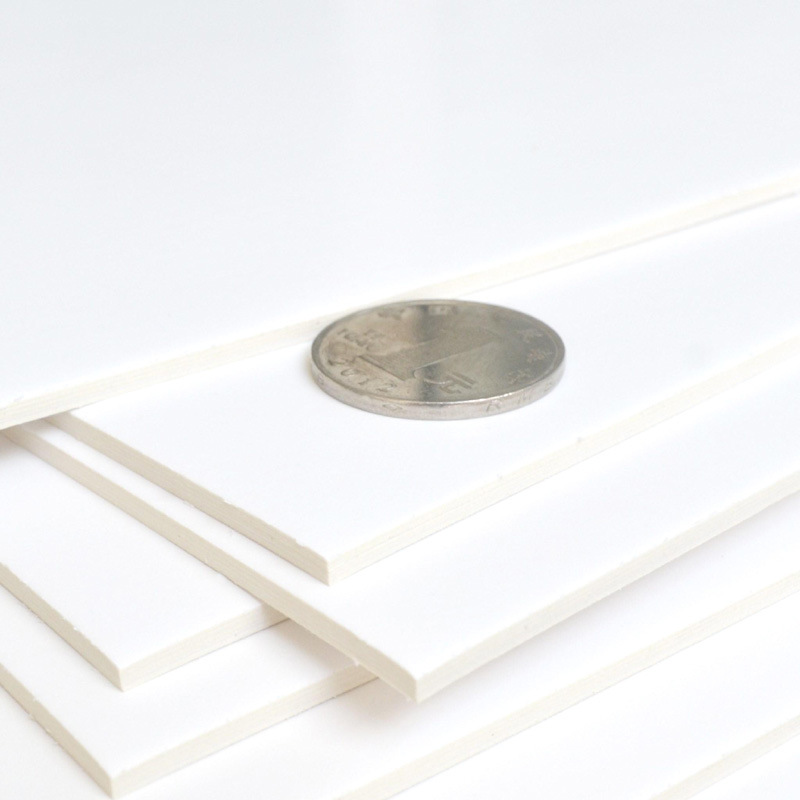
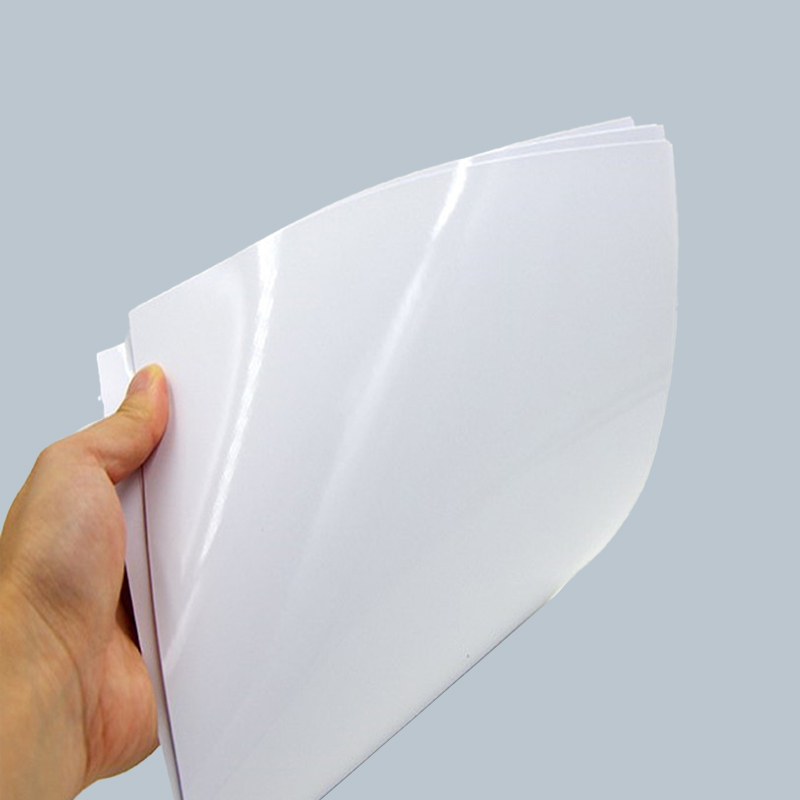
- Individual sheets suit occasional users or those who need a specific non-standard size. They are also useful when experimenting with an unfamiliar brand before buying in bulk.
Check for Acid-Free Certification
If your tracing paper work needs to be archived — for example, architectural drawings, original artwork, or costume design records — always look for acid-free certification. Standard tracing paper yellows and becomes brittle over time due to acidic content in the pulp. Acid-free or archival-grade tracing paper maintains its clarity and flexibility for decades, ensuring your work remains readable and transferable long-term.
Key Features to Look for When Buying
When evaluating tracing paper products, keep these practical features in mind before purchasing:
- Transparency rating: Some brands specify the percentage of light transmission. Higher percentages mean clearer visibility of the underlying image, which is critical for precise line work.
- Erasability: Quality tracing paper should accept pencil erasure without tearing or pilling. Test this with a hard eraser before using for detailed corrections.
- Surface texture: Smooth surfaces suit pen and ink; slightly textured surfaces grip pencil better and are preferred by illustrators who rely on shading.
- Printer compatibility: Some tracing papers are designed for inkjet or laser printing, allowing you to print digital layouts onto the sheet for use as overlays or presentations. Always verify printer compatibility before loading into your machine.
- Bleed resistance: For marker artists or anyone using liquid media, choose a product that explicitly states it resists bleed-through.
Practical Tips for Working with Tracing Paper
Getting the most from tracing paper is not just about the paper itself — technique matters too. Secure your tracing sheet to the reference image with low-tack tape or drafting dots rather than regular tape, which can tear the surface when removed. Work with a light box or trace on a well-lit window to improve visibility through heavier-weight paper. When erasing, use a kneaded eraser or vinyl eraser rather than a gritty rubber eraser, which damages the delicate surface. Store unused sheets flat in a dry environment — humidity causes tracing paper to cockle and warp, making it difficult to lay flat over reference material.
For transferring a traced design onto another surface, place graphite paper (a separate product from tracing paper) between the tracing sheet and the destination surface. Alternatively, shade the back of the tracing sheet with a soft pencil, then retrace the lines to deposit graphite on the surface below — a technique known as the back-rubbing transfer method. This preserves the original tracing and allows multiple transfers from the same sheet.
Recommended Uses by Skill Level
Choosing the right product also depends on your experience level and how frequently you will use it:
- Beginners and students should start with a standard 60 gsm pad in A3 or A4 size. These are affordable, widely available, and forgiving enough for practice work across drawing, lettering, and basic pattern copying.
- Hobbyist crafters benefit from buying a mixed pack that includes both lightweight sheets for folding and transfers and medium-weight sheets for more detailed tracing or marker work.
- Professional designers and architects should invest in heavyweight drafting vellum (90 gsm or above), acid-free certified, and available in roll format for flexibility. Brands such as Canson, Fabriano, and Clearprint are widely respected in professional drafting environments.
- Sewers and pattern makers need dressmaker's tracing paper with carbon coating in multiple colours so different markings are visible on both light and dark fabrics.
Final Thoughts
Tracing paper is one of those quietly essential tools that serves an enormous range of disciplines — from professional architecture studios to kitchen-table craft sessions. Its value lies in its simplicity: a transparent surface that lets you work over existing images cleanly and accurately. By understanding the differences in weight, surface, format, and media compatibility, you can choose a product that fits your specific project rather than settling for whatever happens to be on the shelf. Whether you need a lightweight roll for large-format drafting or a small pad for daily sketching practice, there is a tracing paper designed precisely for that purpose. Taking a few minutes to match the paper to the task will save material waste and produce noticeably better results in your work.