 English
 عربى
عربى Español


Content
- 1 What Sets 90gsm Tracing Paper Apart
- 2 Sketching and Compositional Planning
- 3 Architectural and Technical Drawing
- 4 Graphic Design and Layout Development
- 5 Fine Art Painting Techniques
- 6 Mixed Media and Experimental Art
- 7 Comparing 90gsm to Other Tracing Paper Weights
- 8 Practical Tips for Working with Full-Size 90gsm Tracing Paper
- 9 Conclusion
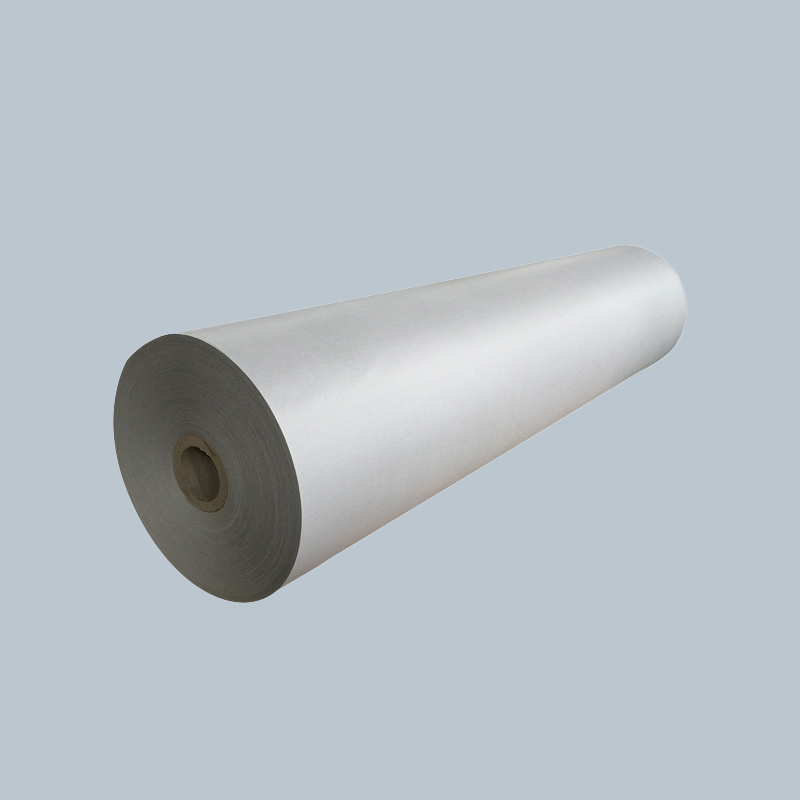
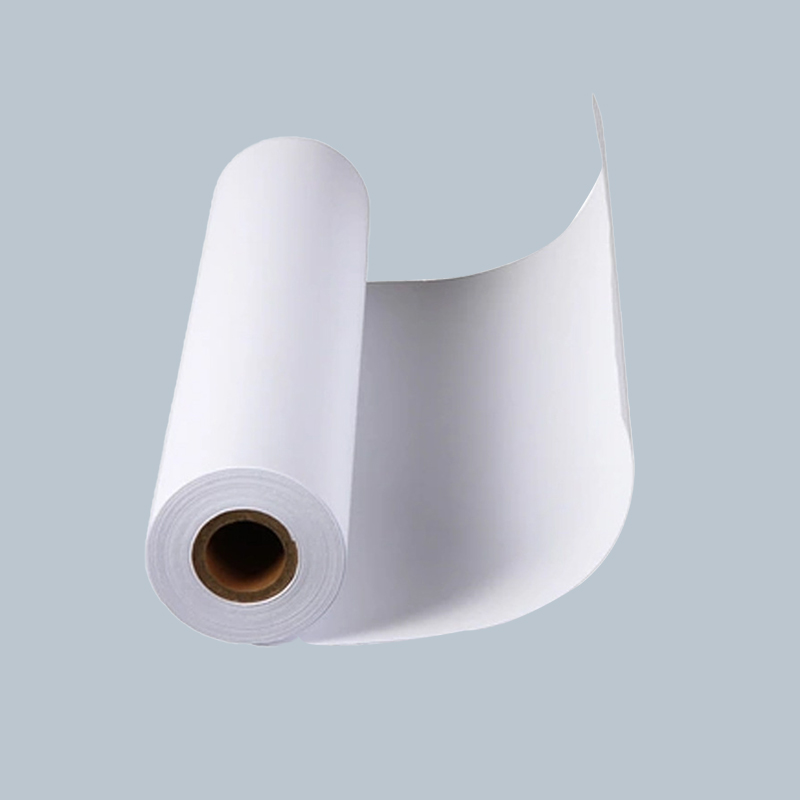
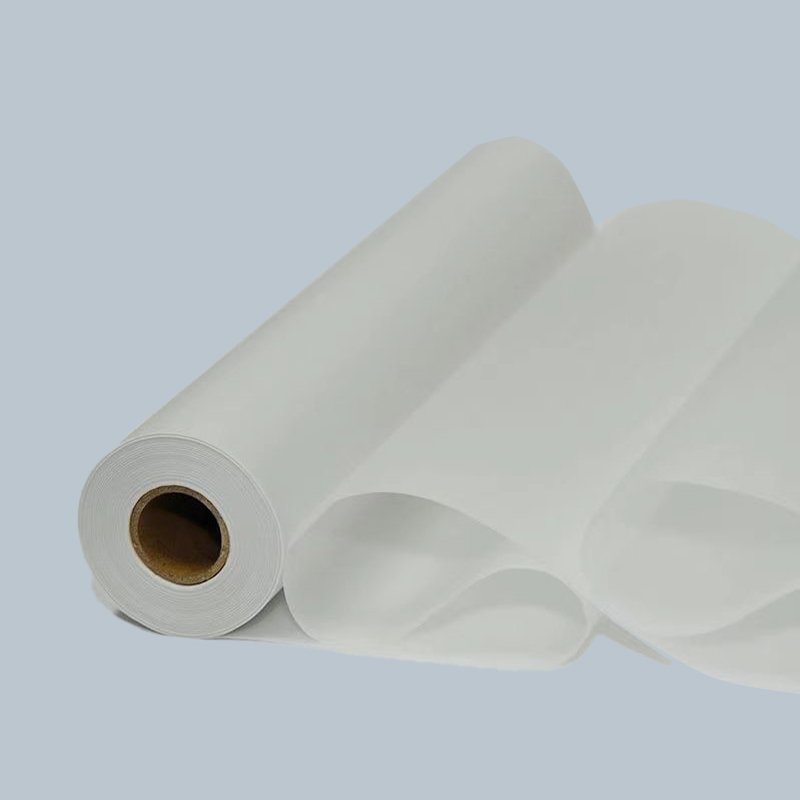
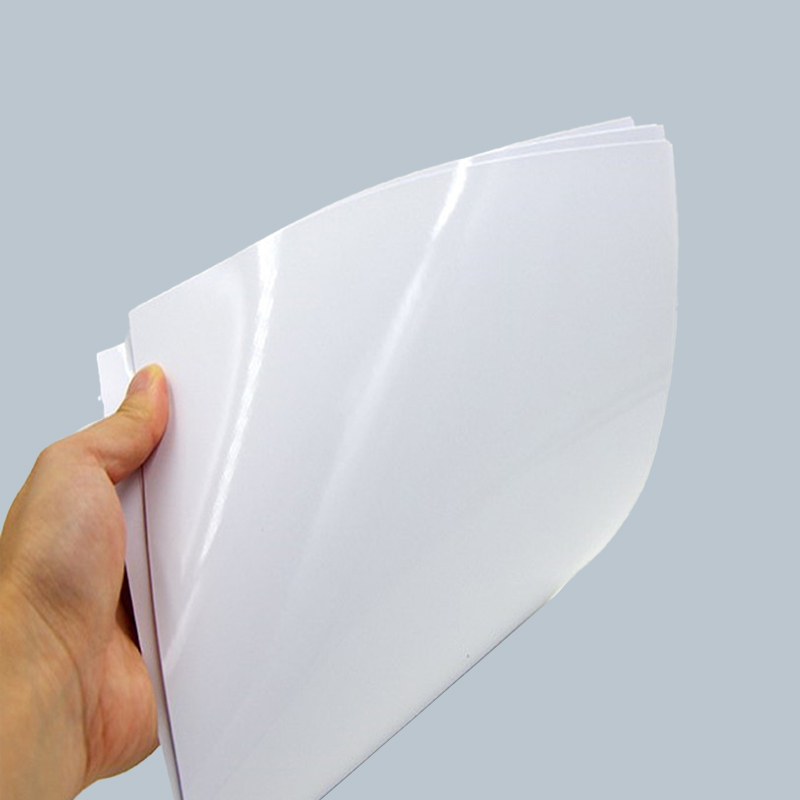
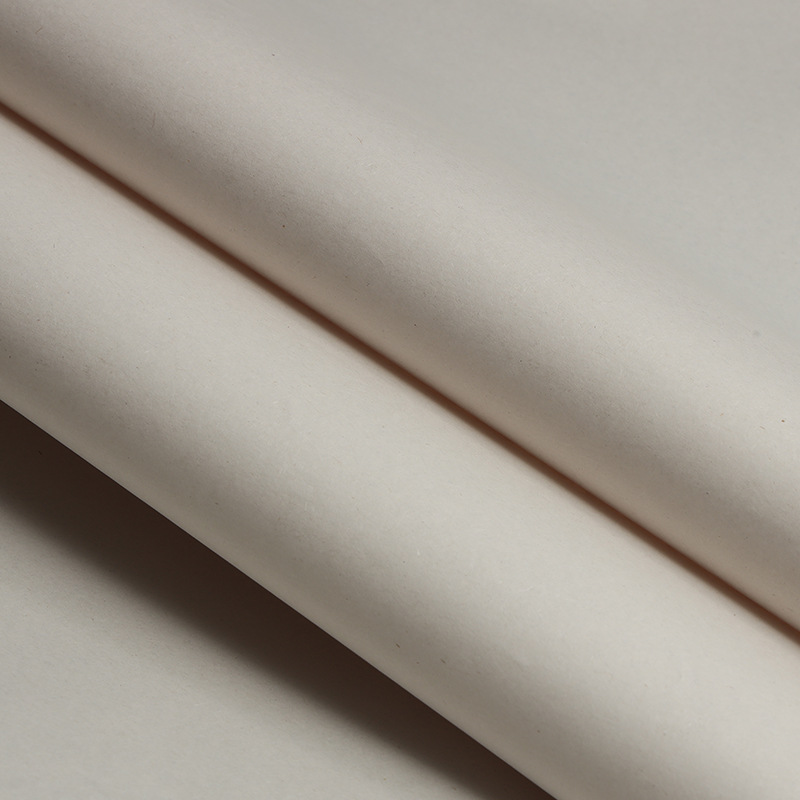
Full-size 90gsm art painting tracing paper occupies a unique position in the world of creative materials. Unlike lightweight 60gsm or 70gsm sheets that tear easily under wet media, and unlike heavier cartridge papers that block light transmission, 90gsm tracing paper strikes a functional balance — sturdy enough to withstand repeated handling, yet translucent enough to serve as an effective overlay and transfer tool. This weight is widely used across professional studios, architecture firms, illustration desks, and art classrooms precisely because it performs reliably under a broad range of techniques and tools.
This article explores the specific, practical applications of full-size 90gsm art painting tracing paper, breaking down why this particular weight and format matters for each use case, and how artists and designers can get the most from it.
What Sets 90gsm Tracing Paper Apart
The "gsm" (grams per square metre) rating of tracing paper directly affects its durability, ink absorption, and translucency. At 90gsm, art tracing paper offers a noticeably heavier feel than standard office-grade tracing sheets. It resists buckling when light washes of watercolour or diluted ink are applied, and it holds up to multiple passes of pencil, fine-liner, or technical pen without pilling or tearing.
The "full-size" designation typically refers to sheets large enough to accommodate A1 or A0 format artwork — dimensions critical for architectural drawings, large-scale illustrations, and full poster layouts. Working at scale without having to tape multiple sheets together reduces seam errors and gives artists a continuous, uninterrupted surface.
Compared to lighter weights, 90gsm tracing paper is notably more dimensionally stable — it does not warp as severely when exposed to humidity or light moisture, which is a significant advantage in studio environments where conditions may fluctuate.
Sketching and Compositional Planning
One of the most common uses of 90gsm tracing paper is as a sketching and composition-planning surface. Artists lay the sheet over a reference image, photograph, or earlier sketch to trace the broad outlines of a scene before committing those lines to final paper or canvas. This process — sometimes called "ghost tracing" — helps artists build accurate proportions without freehand guesswork.
At 90gsm, the paper is heavy enough to layer multiple overlapping sketches. A concept that begins as rough thumbnail on the first sheet can be refined by placing a fresh sheet on top, tracing only the resolved lines, and discarding the messier earlier version. This iterative approach is standard practice in professional illustration studios and animation departments.
Refining Figures and Character Design
Character designers in animation, comics, and concept art use full-size 90gsm sheets to progressively tighten character poses. A rough gesture drawing made on one sheet is overlaid with a clean tracing sheet, and the designer refines anatomy, clothing folds, and facial features through successive overlays. Because 90gsm paper holds a firm pencil line and erases cleanly without ghosting, each traced version is a genuine improvement rather than a degraded copy.
Architectural and Technical Drawing
In architectural practice, 90gsm tracing paper — often referred to as "detail paper" or "trace" — is fundamental to the design development process. Architects place sheets over site plans, CAD printouts, or scale models to sketch spatial interventions, test massing options, and annotate drawings without altering the originals. Full-size sheets are essential here, as architectural drawings routinely operate at 1:50 or 1:100 scales that demand large-format media.
Technical drafters also use 90gsm tracing paper for producing hand-drawn working drawings that will be reproduced via blueprint or photocopying. The translucency of the sheet allows clean reproduction when placed on a light-sensitive surface, and the paper's weight means it survives repeated handling on drawing boards without deteriorating at the edges.
Overlay Studies for Urban Planning
Urban planners and landscape architects use full-size 90gsm tracing paper to study site conditions in overlapping layers. A base map is printed at scale, and successive tracing sheets overlay different data — topography, drainage, pedestrian routes, proposed building footprints — allowing the team to visualise complex spatial relationships by holding the stacked sheets up to a light table or window.
Graphic Design and Layout Development
Graphic designers, particularly those working in branding and editorial design, use 90gsm tracing paper to explore type placement, grid structures, and visual hierarchy before committing designs to digital software. The tactile process of sketching layouts by hand on tracing paper encourages more experimental thinking than working directly in applications like InDesign or Figma.
Tracing paper overlays are also used to check alignment across multi-page documents — a designer can hold two traced layout sheets together against a light source to verify that headers, margins, and columns align consistently across spreads.
Logotype and Lettering Development
Hand-lettering artists and logotype designers rely on 90gsm tracing paper when refining custom letterforms. A rough letter sketch is placed beneath a fresh sheet, and the artist redraws the forms with greater precision, adjusting stroke width, spacing, and curve tension. The thickness of 90gsm paper supports fine technical pens and brush pens equally well, which is essential when toggling between exploratory sketching and refined inking.
Fine Art Painting Techniques
The "art painting" designation in 90gsm tracing paper reflects its capacity to accept light wet media applications. While it is not a substitute for watercolour paper or canvas, 90gsm tracing paper is useful for specific fine art techniques that exploit its translucency and smooth surface.
- Underpainting transfer: Artists apply a tonal or compositional sketch in watercolour or diluted acrylic on 90gsm tracing paper, then press it face-down onto a primed canvas or board to create a ghost image that guides the final painting.
- Monotype printing: Ink is rolled or painted across the tracing paper surface and then pressed onto absorbent paper, creating a single unique print. The 90gsm weight provides enough body to handle the ink without tearing during transfer.
- Cyanotype and alternative photography: The translucency of 90gsm tracing paper makes it an effective carrier for hand-drawn or printed negatives used in cyanotype printing processes.
- Light box illustration: Illustrators use tracing paper sheets on light boxes to produce consistent line art for repeat pattern design, textile printing, and wallpaper design.
Mixed Media and Experimental Art
In contemporary art practice, 90gsm tracing paper has become a material of choice for artists exploring layered visual narratives. Its semi-transparency creates a natural sense of depth when sheets are stacked, pinned, or sewn together. Artists use the paper to create multi-layer installations where images on different sheets interact visually when lit from behind.
Printmakers use tracing paper as an intermediary surface for transferring hand-drawn designs onto etching plates, lino blocks, or screen printing films. The sheet is drawn upon, flipped, and rubbed down against the printing substrate — the translucency lets the artist position the design precisely before committing to transfer.
Textile designers use full-size 90gsm sheets to develop repeat tile patterns at scale. The paper is large enough to lay out a full repeat before the pattern is digitised, and its stability under pencil and ink allows for accurate geometric drafting.
Comparing 90gsm to Other Tracing Paper Weights
Understanding where 90gsm fits in the spectrum of available tracing paper weights helps artists and designers choose the right product for each task.
| Weight | Translucency | Media Compatibility | Best For |
|---|---|---|---|
| 60–63gsm | Very high | Pencil only | Quick sketching, temporary overlays |
| 70–75gsm | High | Pencil, fine-liner | General drafting, layout sketches |
| 90gsm | Moderate–high | Pencil, pen, light wash, brush pen | Art, architecture, design, print transfer |
| 110gsm+ | Lower | Most wet media | Heavy ink work, semi-permanent drawings |
The 90gsm range represents the most versatile option for professional creative use. It is light enough to remain translucent for overlay work, yet robust enough to accept a variety of drawing and painting media without degrading.
Practical Tips for Working with Full-Size 90gsm Tracing Paper
To get the best results from full-size 90gsm art tracing paper, a few working practices make a significant difference:
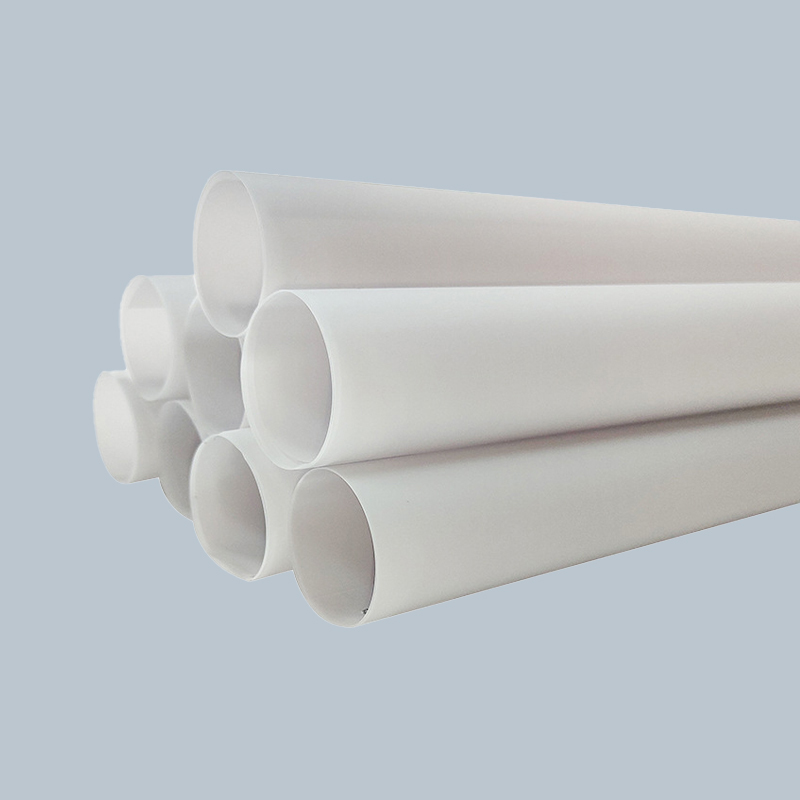
- Store flat or rolled, not folded. Fold creases in tracing paper create visible breaks in large-format drawings. Full-size sheets are best stored in flat plan chests or loosely rolled in tubes.
- Use masking tape, not bulldog clips, to secure sheets to light tables. Clips distort the sheet edge and can create uneven tension that skews traced lines near the borders.
- Allow ink to dry fully before layering. Even at 90gsm, wet ink can transfer to the underside of a sheet placed on top. A 60-second drying window prevents smearing.
- Test media on a scrap strip first. Some brush pen inks bleed more than others on the smooth surface of tracing paper. A quick test prevents ruining a full-size sheet mid-project.
- Number and date overlay sheets. When building complex multi-layer compositions, labelling each sheet in a corner with a soft pencil maintains the sequence during review and client presentation.
Conclusion
Full-size 90gsm art painting tracing paper is far more than a basic tracing tool. Its combination of structural durability, media versatility, and workable translucency makes it an essential material across fine art, illustration, graphic design, architecture, and printmaking. Whether used for iterative character sketching, large-format architectural overlay studies, monotype printing, or layout development, it reliably bridges the gap between exploratory process and resolved outcome. Investing in quality full-size sheets at this weight ensures that creative work benefits from a surface that can keep pace with both quick ideation and careful, detailed execution.