 English
 عربى
عربى Español


Content
- 1 Introduction to Food-Grade Ivory Board Paper
- 2 Raw Material Selection and Preparation
- 3 Manufacturing Process of Ivory Board Paper
- 4 Quality Requirements and Compliance
- 5 Testing and Inspection Protocols
- 6 Applications of Food-Grade Ivory Board
- 7 Sustainability and Environmental Considerations
- 8 Conclusion
Introduction to Food-Grade Ivory Board Paper
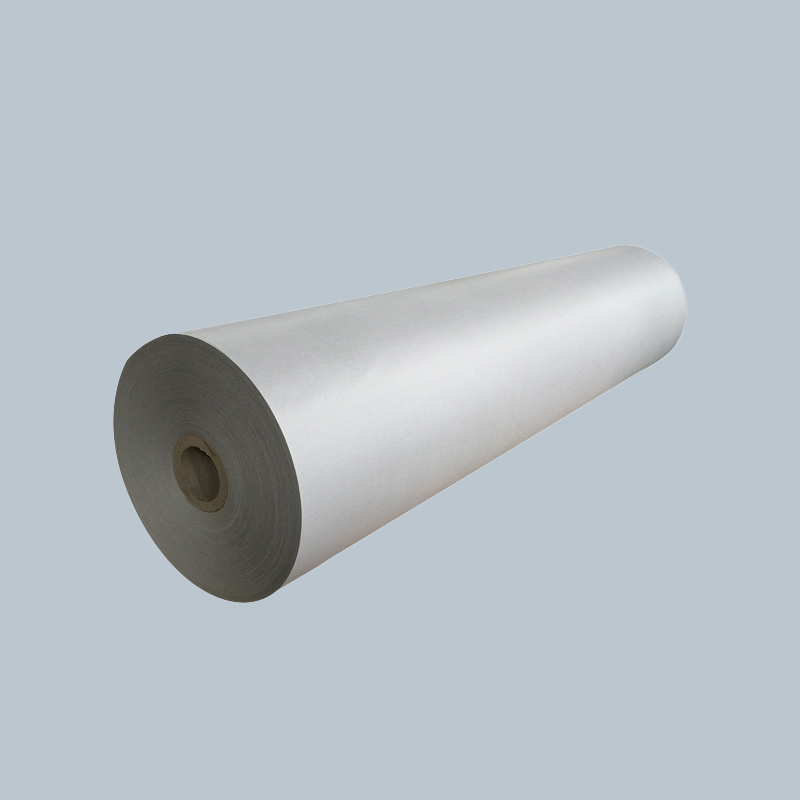
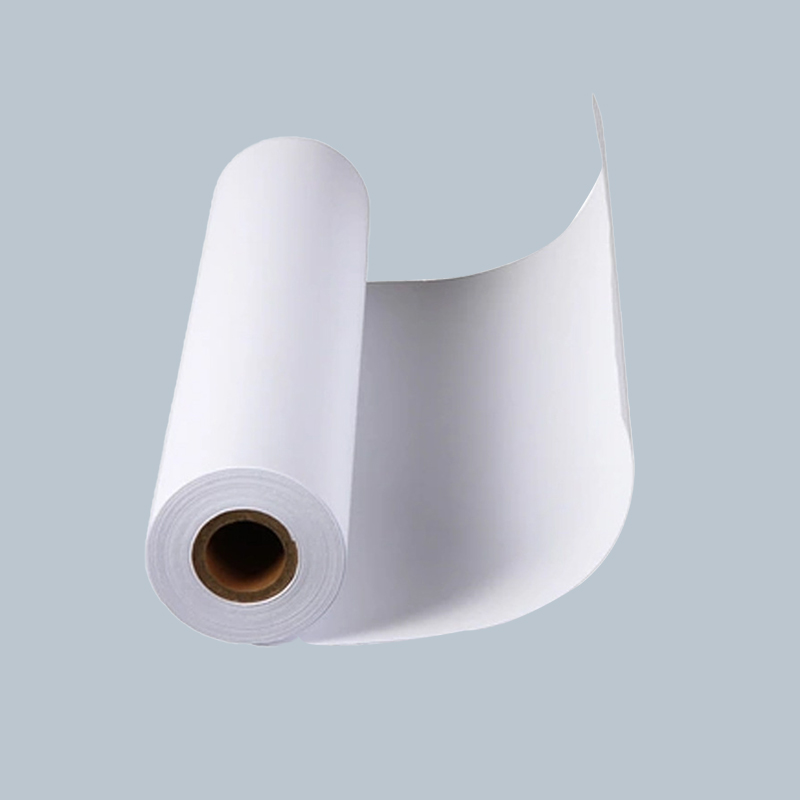
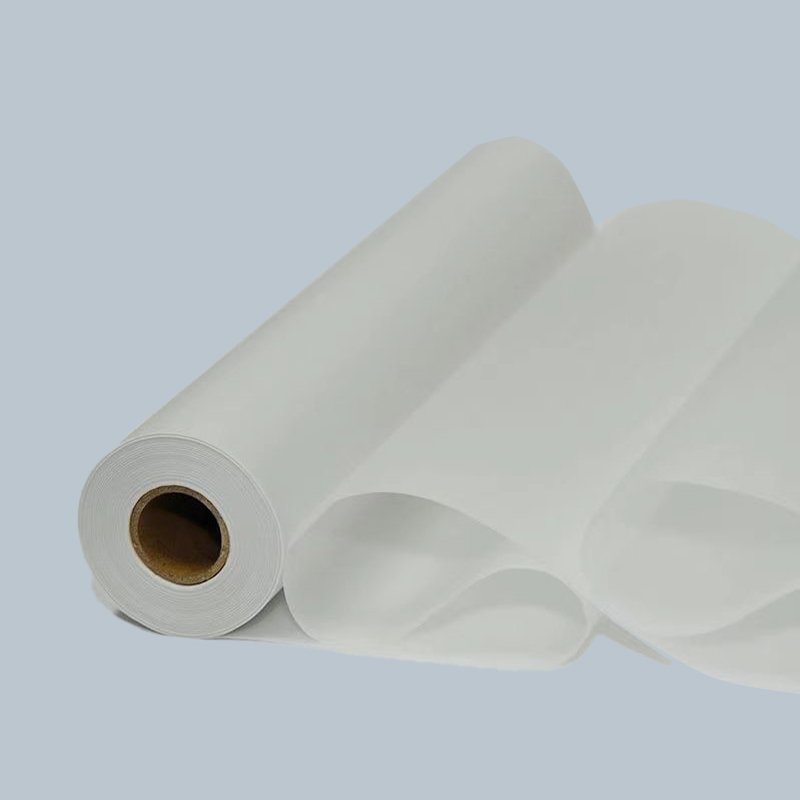
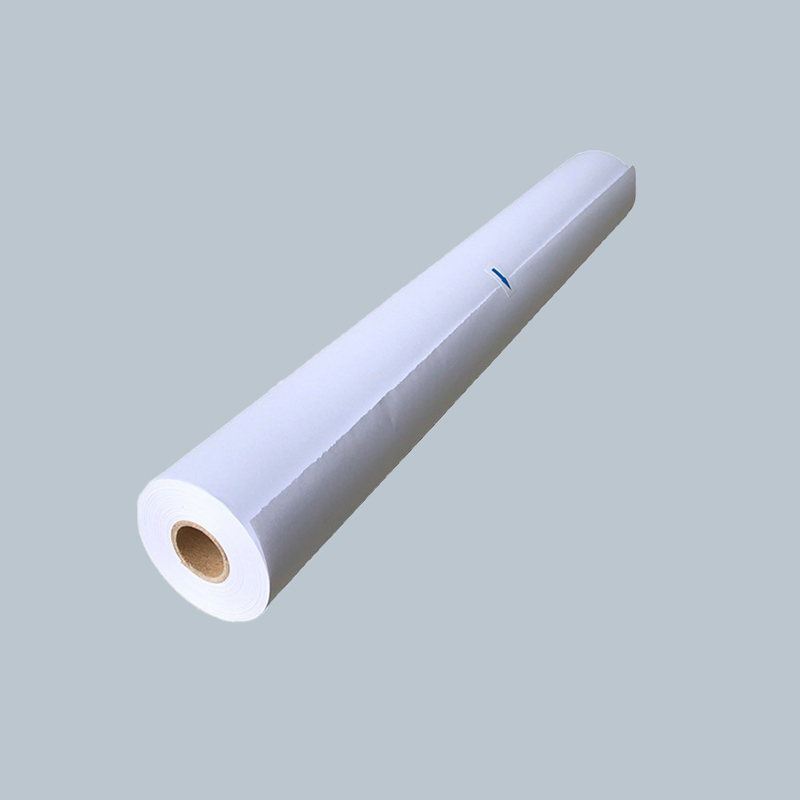
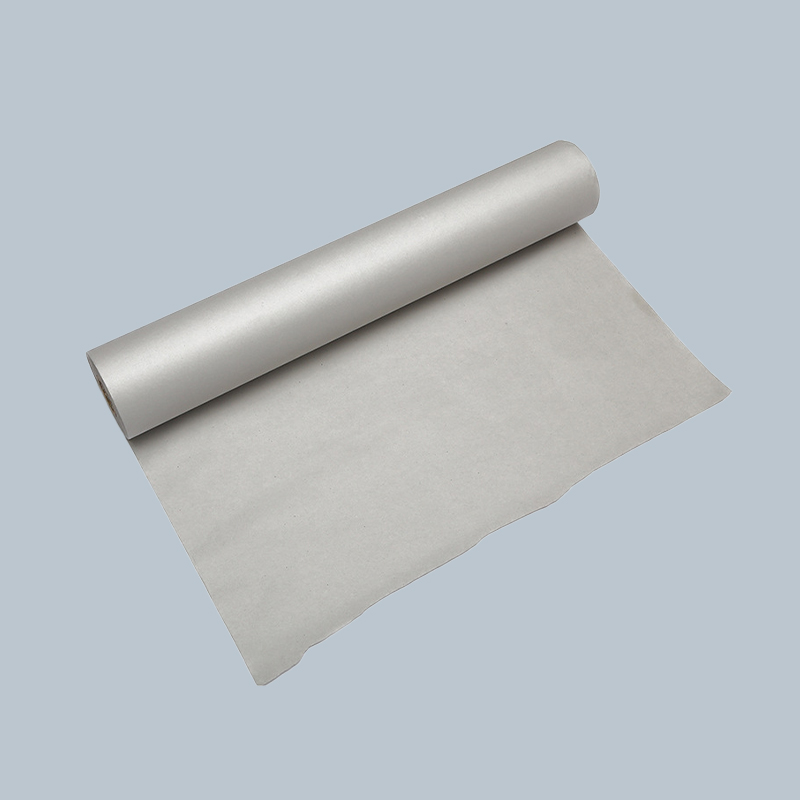
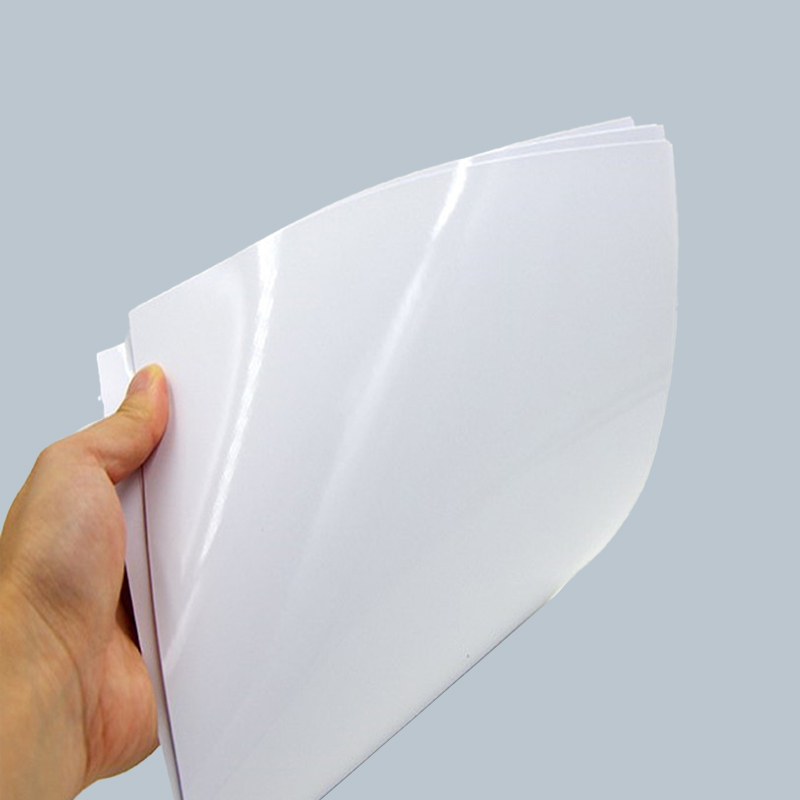
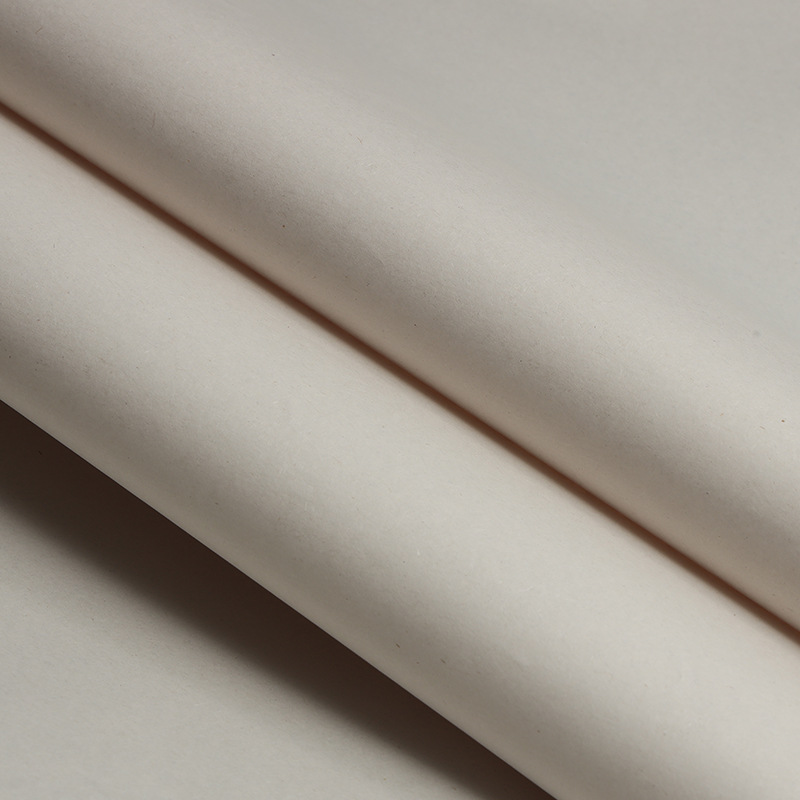
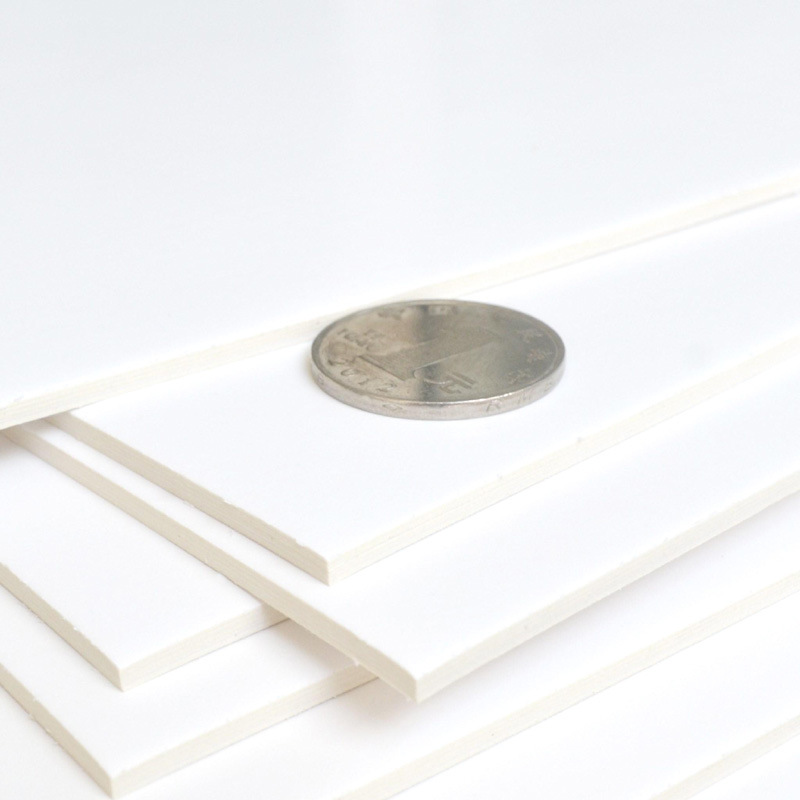
Food-grade ivory board paper is a high-quality paperboard widely used in food packaging due to its strength, smooth surface, and compliance with health standards. Unlike conventional paperboard, it is specially engineered to ensure safety, hygiene, and durability, making it suitable for items like bakery boxes, frozen food containers, and takeaway packaging.
Raw Material Selection and Preparation
The production of food-grade ivory board starts with the selection of premium virgin pulp, primarily derived from sustainable wood sources. Key considerations during raw material selection include:
- Purity and absence of chemical contaminants or heavy metals.
- Consistent fiber length to ensure uniformity in texture and strength.
- Moisture content control to optimize pulp processing efficiency.
- Compliance with food safety regulations, such as FDA or EFSA guidelines.
Once selected, the pulp undergoes mechanical and chemical treatment to remove impurities, lignin, and residual inks, followed by bleaching to achieve a bright, clean surface. For food-grade standards, only non-toxic bleaching agents, such as hydrogen peroxide or oxygen-based chemicals, are used.
Manufacturing Process of Ivory Board Paper
The production of food-grade ivory board involves several critical stages that ensure smoothness, thickness uniformity, and mechanical integrity:
Pulp Refining and Forming
The cleaned pulp is refined to enhance fiber bonding, improving both tensile strength and folding endurance. The refined pulp is then formed into a wet sheet using a Fourdrinier machine or cylinder mould system, which evenly distributes fibers and defines the initial board thickness.
Pressing and Drying
The wet sheet is pressed to remove excess water and then dried using heated cylinders or through-air dryers. Maintaining uniform temperature and humidity is essential to prevent warping and ensure consistent thickness across the sheet. This stage directly influences the stiffness and strength of the finished board.
Coating and Surface Treatment
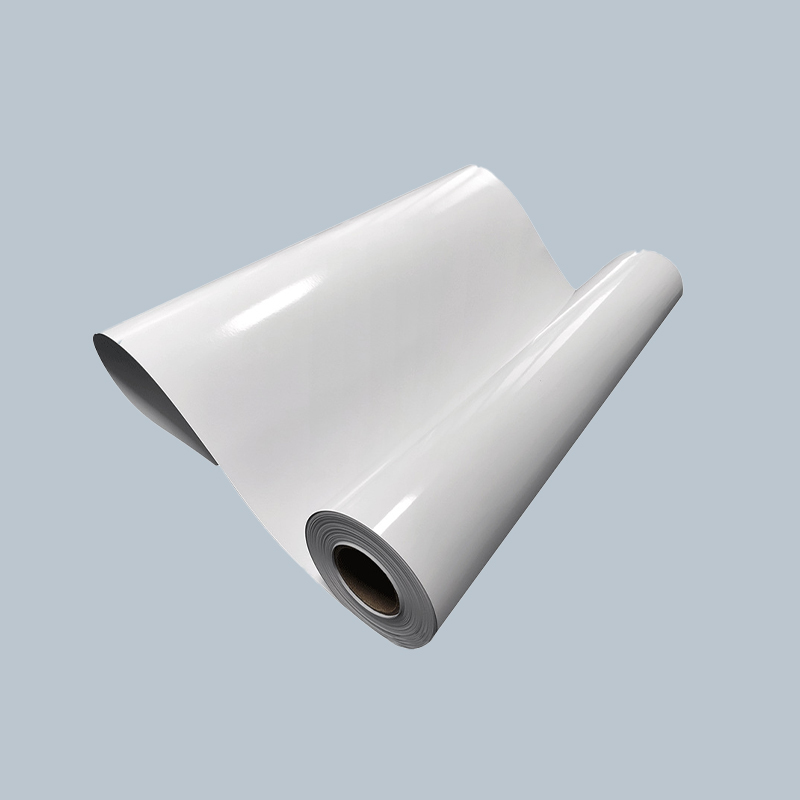
Food-grade ivory board often receives a coating layer, which enhances surface smoothness, printability, and moisture resistance. Coating materials must be non-toxic and compliant with food contact regulations. Common coatings include polyethylene, clay, or food-safe polymer dispersions.
Calendering for Surface Finish
The board passes through calender rollers that compress the surface, achieving a high gloss, uniform texture, and precise thickness control. This step also reduces porosity, which is critical for preventing oil and moisture penetration when used in food packaging.
Quality Requirements and Compliance
Food-grade ivory board must meet strict quality parameters to ensure safety and performance. These include:
- Mechanical properties: high bending stiffness, tensile strength, and puncture resistance.
- Surface smoothness and uniformity to enable printing and lamination without defects.
- Chemical safety: absence of heavy metals, toxic residues, or allergenic substances.
- Barrier properties: sufficient moisture, grease, and oil resistance to protect packaged food.
- Regulatory compliance: adherence to FDA, EU, or local food safety standards.
Testing and Inspection Protocols
To ensure that each batch of ivory board meets food-grade standards, manufacturers conduct extensive testing, including:
- Physical tests: thickness measurement, bending stiffness, and burst strength tests.
- Chemical analysis: detection of residual bleaching agents, heavy metals, and overall food safety compliance.
- Microbiological assessment: ensuring the absence of microbial contamination, especially for packaging intended for high-moisture foods.
- Visual inspection: checking for discoloration, uneven coating, or surface defects.
Applications of Food-Grade Ivory Board
Food-grade ivory board is widely used across the food packaging sector due to its combination of strength, safety, and printability:
- Bakery boxes and pastry packaging for hot or oily foods.
- Frozen food cartons that require moisture resistance and durability.
- Fast-food and takeaway containers designed for grease resistance.
- Confectionery boxes that demand excellent printing and glossy surface finishes.
- Food trays and inserts that ensure structural support and hygiene.
Sustainability and Environmental Considerations
Modern production emphasizes sustainability, using recycled fiber only in non-contact layers and certified virgin pulp for food-contact surfaces. Additionally, environmentally friendly coatings and water-based inks are preferred to reduce ecological impact without compromising food safety.
Conclusion
The production of food-grade ivory board paper is a complex process that demands stringent raw material selection, precise manufacturing controls, and rigorous quality testing. Meeting these requirements ensures that the final product is safe, durable, and suitable for a wide range of food packaging applications. Properly produced ivory board enhances food safety, maintains hygiene, and supports sustainable packaging initiatives.