 English
 عربى
عربى Español


Content
Food grade ivory board paper is widely used for packaging, tags, cards, and printed materials that come into direct or indirect contact with food products. One of the most important decisions when sourcing this material is selecting the correct thickness, since thickness affects everything from structural rigidity to printing quality and final production cost. This article breaks down how ivory board thickness is measured, what the common thickness ranges are used for, and how to match thickness to specific application needs.
Understanding How Ivory Board Thickness Is Measured
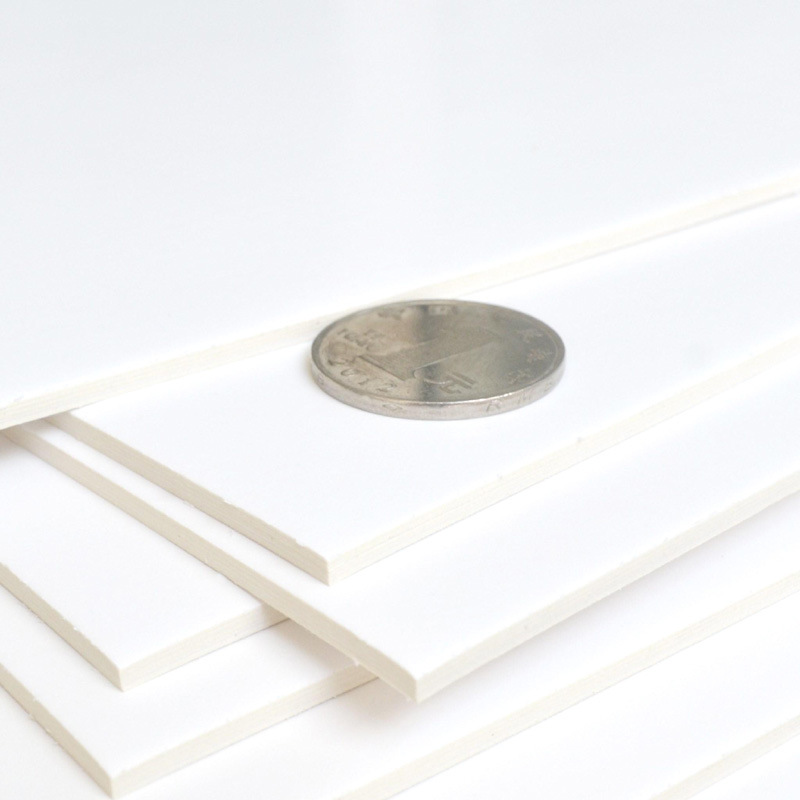
Ivory board paper thickness is typically expressed in either grams per square meter (GSM) or millimeters (mm), depending on regional conventions and industry standards. GSM measures the weight of the paper per unit area, which correlates closely with thickness for a given paper density, while millimeter measurements give a direct physical thickness reading. Understanding which unit a supplier uses is essential, since GSM and mm are not directly interchangeable without knowing the paper's density.
Why Thickness Matters Beyond Just Sturdiness
Thickness influences more than how rigid the final product feels in hand. It affects how well the board holds ink during printing, how it folds or creases along production lines, and how much material cost is added per unit produced. Choosing a thickness that is heavier than necessary increases material and shipping costs without adding functional benefit, while choosing one that is too thin can result in a flimsy product that fails to protect food contents or hold its shape during handling.
Common Thickness Ranges and Their Typical Uses
Food grade ivory board is manufactured across a range of thicknesses, each suited to different product categories. The table below outlines commonly available thickness ranges and the applications they typically serve.
| Thickness (GSM) | Approximate Thickness (mm) | Typical Application |
| 150–180 GSM | 0.18–0.22mm | Menus, labels, lightweight tags |
| 200–250 GSM | 0.24–0.30mm | Business cards, hang tags, inserts |
| 300–350 GSM | 0.35–0.42mm | Folding cartons, gift boxes |
| 400–450 GSM | 0.48–0.55mm | Food packaging boxes, rigid trays |
| 500 GSM and above | 0.60mm+ | Heavy-duty packaging, display boxes |
Matching Thickness to Product Category
Different food-related products call for different structural demands, and thickness should be selected based on how the finished item will be used and handled throughout its lifecycle.
Lightweight Printed Materials
Menus, product labels, and informational inserts generally perform well with lighter board in the 150 to 180 GSM range. These items do not need to bear structural weight, so a thinner board reduces cost while still providing a smooth, printable surface suitable for food-safe inks.
Tags and Cards
Hang tags, business cards, and product identification cards typically require a mid-range thickness between 200 and 250 GSM. This range provides enough rigidity to resist bending during handling while remaining easy to print, cut, and finish with coatings or embossing.
Folding Cartons and Gift Packaging
Folding cartons used for items like bakery goods, confectionery, or gift sets generally require board in the 300 to 350 GSM range. This thickness allows the board to hold a crease cleanly during folding while providing enough structural support to maintain the carton's shape once assembled.
Rigid Food Packaging and Trays
Packaging that must support the weight of food contents directly, such as bakery trays or rigid boxes, typically requires 400 GSM or higher. At this thickness, the board resists sagging and provides better protection against crushing during transport and stacking.
Heavy-Duty and Display Packaging
Premium display boxes and heavy-duty packaging designed to convey a high-end product presentation often use board at 500 GSM or above. This thickness provides a substantial, premium feel but comes with higher material costs and requires equipment capable of handling thicker stock during die-cutting and folding.
Factors That Influence the Right Thickness Choice
Beyond matching thickness to a general product category, several additional factors should be considered before finalizing a specification.
- Weight of the food product the packaging needs to support
- Expected handling conditions, including stacking and transport distance
- Printing and finishing requirements, such as embossing, foil stamping, or lamination
- Folding and die-cutting equipment limitations at the production facility
- Cost targets and how thickness impacts material and shipping expenses
Testing Thickness Before Full Production
Before committing to large production runs, it is good practice to request physical samples at the intended thickness to test how the board performs with actual printing equipment, folding processes, and food contact requirements. Sample testing can reveal issues such as cracking along fold lines or inconsistent print absorption that may not be apparent from a thickness chart alone. Working closely with the paper supplier to confirm both the GSM and food-grade certification for the selected thickness helps avoid costly production issues later.
Making a Confident Thickness Selection
Selecting the right thickness for food grade ivory board paper comes down to balancing the structural demands of the finished product against cost and production efficiency. Using a thickness chart as a starting reference, then validating the choice through sample testing and consultation with a supplier, ensures the final packaging or printed material performs reliably while meeting food safety requirements. A well-matched thickness not only supports the functional needs of the product but also contributes to a polished, professional presentation that reflects positively on the brand.