 English
 عربى
عربى Español


Content
Understanding Digital Art Paper Textures
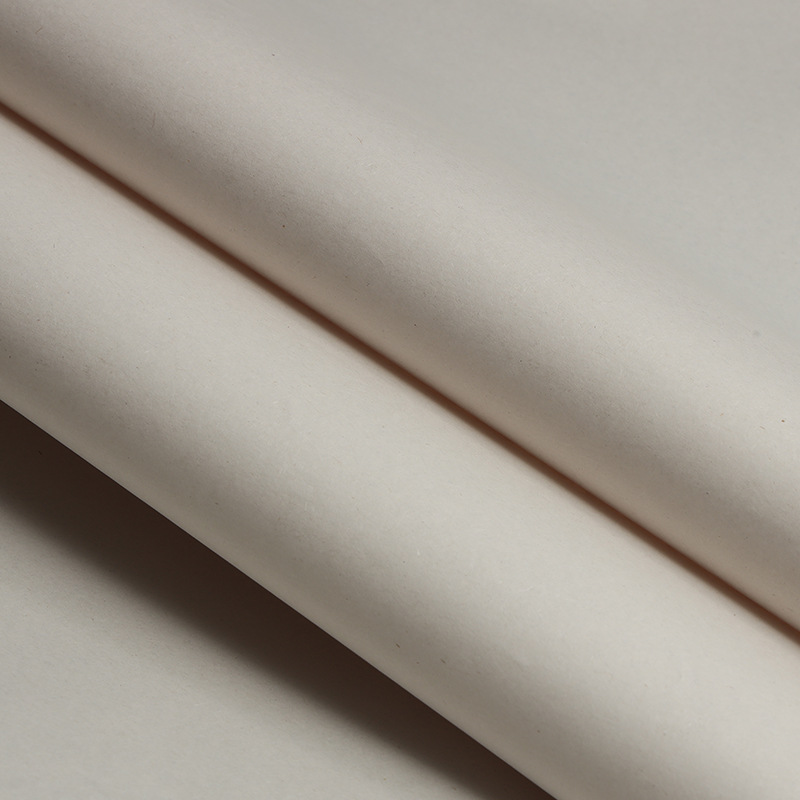
Digital art paper plays a crucial role in the quality and feel of digital illustrations. While the term may suggest a virtual medium, physical digital art papers are often used in conjunction with graphic tablets or pen displays to replicate the tactile sensation of drawing. Two primary categories dominate the market: smooth and rough digital art paper. Each texture affects brush behavior, color application, and overall artistic control, making it essential for artists to understand the differences before selecting the appropriate surface for their work.
Characteristics of Smooth Digital Art Paper
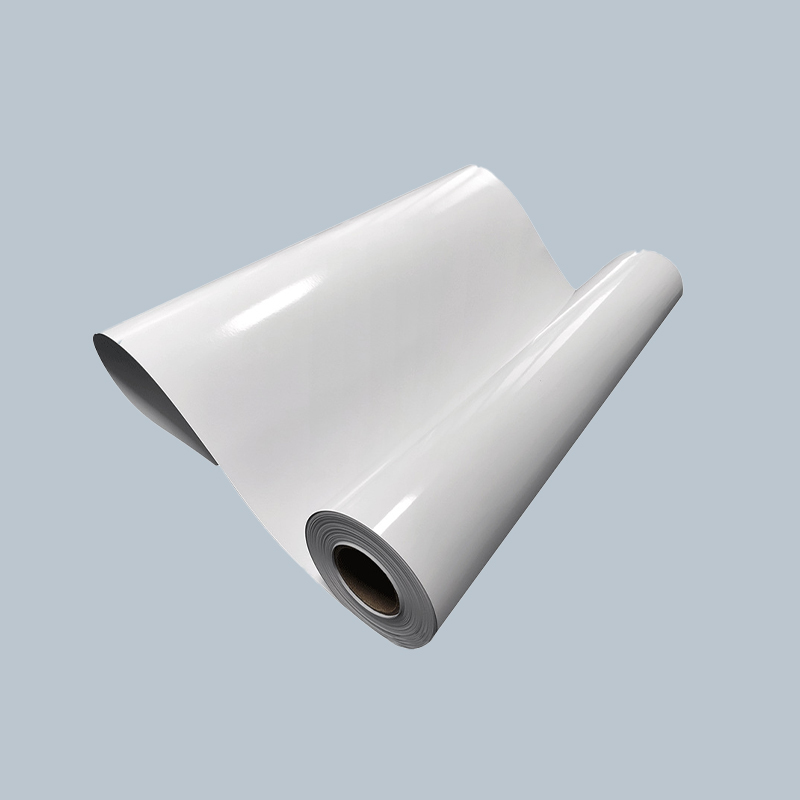
Smooth digital art paper features a fine, even surface designed to minimize friction between the stylus and the drawing surface. This texture allows for precise, fluid strokes, making it ideal for detailed line work, digital inking, and vector-style illustrations. The smooth surface also facilitates easy blending and shading techniques, giving artists control over gradients and color transitions.
Advantages of Smooth Surfaces
- Enhanced control over fine details, especially for technical drawings and comics.
- Reduced stylus wear due to low friction surfaces.
- Smoother blending for soft gradients and color transitions.
Best Use Cases for Smooth Digital Art Paper
Artists creating detailed illustrations, digital portraits, line art, or animation frames benefit from smooth digital art paper. It is particularly effective for vector art and projects requiring precision and minimal surface interference, ensuring clean and consistent lines.
Characteristics of Rough Digital Art Paper
Rough digital art paper has a textured surface that simulates the feel of traditional watercolor, charcoal, or pastel paper. The increased surface friction enhances tactile feedback, giving the stylus a more organic and responsive feel. Rough surfaces interact differently with brushes, producing varied stroke patterns and natural-looking textures, which can enrich artistic expression.
Advantages of Rough Surfaces
- Enhanced grip for stylus, providing better control over textured strokes.
- Naturalistic texture for digital painting, shading, and mixed media effects.
- Ability to simulate traditional media, including pencil, pastel, or watercolor effects.
Best Use Cases for Rough Digital Art Paper
Artists aiming for expressive sketches, digital paintings, or textured artwork benefit most from rough digital art paper. It is ideal for projects where brush variation and surface texture contribute significantly to the final aesthetic, including concept art, storyboarding, and traditional media emulation.
Comparative Analysis: Smooth vs. Rough Digital Art Paper
Choosing between smooth and rough digital art paper depends on the artist’s technique, the desired visual effect, and the type of digital stylus being used. Understanding the advantages and limitations of each texture allows artists to optimize their workflow and achieve consistent results across different projects.
| Feature | Smooth Digital Art Paper | Rough Digital Art Paper |
| Surface Texture | Fine, even | Textured, grainy |
| Friction | Low | Moderate to high |
| Ideal Use | Detailed line work, digital inking, vector art | Textured illustrations, digital painting, traditional media emulation |
| Blending | Smooth gradients and color transitions | Varied, textured effects with natural brush feel |
Factors to Consider When Choosing
Artists should evaluate their workflow, project type, and preferred stylus when choosing digital art paper. Smooth surfaces are optimal for precision and speed, while rough surfaces enhance texture and organic brush feel. Additionally, screen protector overlays or physical drawing pads can influence the perceived texture, so testing samples before committing to large purchases is recommended.
Conclusion: Matching Texture to Artistic Intent
Understanding the differences between smooth and rough digital art paper is crucial for digital artists seeking to optimize their creative output. Selecting the right texture enhances control, improves the visual quality of illustrations, and aligns with the artist’s style and project goals. By carefully considering the advantages and applications of each surface, artists can maximize both comfort and artistic precision in their digital work.