 English
 عربى
عربى Español


Content
If you have spent any time in the printing or publishing world, you have likely come across the term "60# offset paper." It is a staple for book publishers, commercial printers, and office managers alike. However, there is a common point of confusion: many people hear "60 lb" and "24 lb" and assume they are completely different products. In reality, they are the same paper, just described using two different measurement systems. Let me clarify that right away, drawing from my 14 years in the paper industry here at Suzhou For-Long Paper Product Tech Co., Ltd.
Understanding Paper Weight: Bond Weight vs. Basis Weight
The confusion stems from the fact that paper weight in the United States is measured using a "basis weight" system. This system defines the weight in pounds of a ream (500 sheets) of paper cut to a specific "basis size." The tricky part is that the basis size changes depending on the paper grade. For bond paper, the basis size is 17 by 22 inches. For offset or book paper, the basis size is 25 by 38 inches. This is why a "24 lb bond" paper and a "60 lb offset" paper are actually the exact same sheet—they just weigh differently when measured against their own grade’s base size.
When you see 60# offset paper, you are looking at a sheet that gives you a great balance of thickness, opacity, and affordability. It is not too flimsy like a lightweight newsprint, nor is it overly rigid like a heavy cardstock. It is the "Goldilocks" of the commercial printing world. Here at our factory, we run high-speed Voith paper machines that are 5280 mm wide and can run at 1400 meters per minute, all under fully automated computer control. This allows us to produce 60# offset paper with exceptionally consistent formation and caliper, which is crucial for trouble-free press runs.
Key Specifications of 60# Offset Paper
Let’s break down the specific properties that define 60# offset paper. This paper is also commonly categorized by its metric weight, which is typically around 89 gsm (grams per square meter). This is an essential specification for international buyers. Below is a quick reference table that illustrates the typical caliper (thickness) of this paper.
| Paper Grade | Basis Weight (lbs) | Metric Weight (gsm) | Approximate Caliper (inches) |
|---|---|---|---|
| Offset Book | 50 | 74 | 0.0038 |
| Offset Book | 60 | 89 | 0.0045 |
| Offset Book | 70 | 104 | 0.0050 |
| Offset Book | 80 | 118 | 0.0060 |
As you can see from the table, 60# offset paper offers a good thickness for projects that require some durability but still need to be lightweight. Our production lines are capable of maintaining these tight tolerances every day, thanks to our investment in advanced QDS and QCS systems. We put over 10 million RMB into these quality control systems to ensure that every roll of 60# offset paper we produce has the same stability, smoothness, and flatness.
Surface and Finish
60# offset paper is typically an uncoated, regular finish paper. This makes it ideal for applications where you want the paper to absorb ink rather than sit on top of it. It provides a natural, non-glare reading experience, which is why it is the top choice for text-heavy books. Our 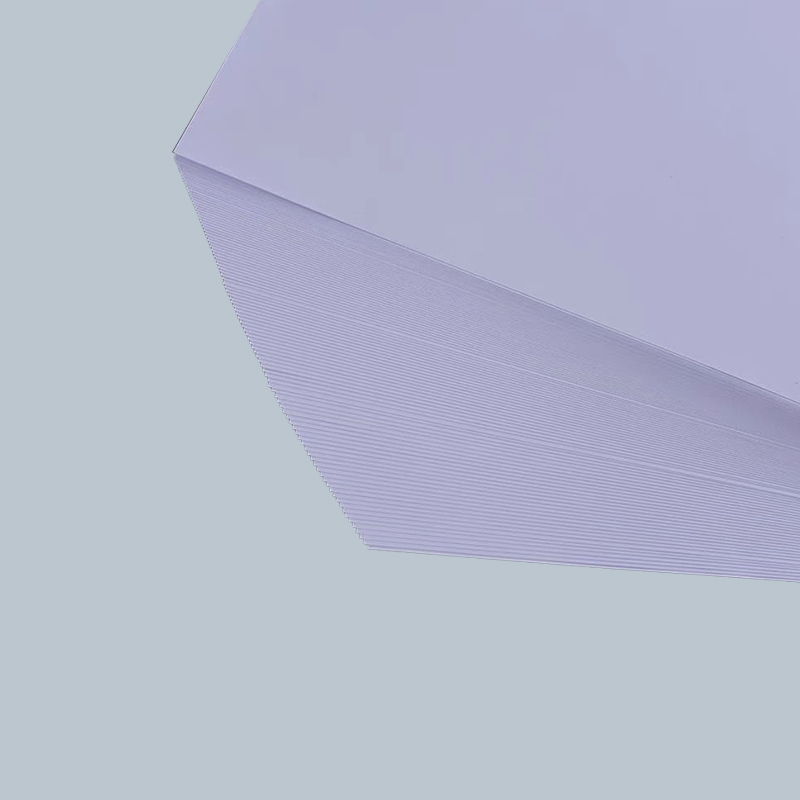 60gsm to 80gsm White Offset Printing Paper for Text-Heavy BooksThis uncoated offset paper offers a natural, non-glare surface ideal for books. With high opacity and ISO certifications, it provides clean whiteness and reliable runnability for commercial printing.View Product → meets this need perfectly, offering a clean, bright white shade without being overly glossy.
Practical Applications for 60# Offset Paper
Because of its balanced properties, 60# offset paper is used in a wide variety of applications. Let’s look at the most common ones you will encounter in the industry.
Book Publishing
This is the single largest market for 60# offset paper. Novels, textbooks, manuals, and trade paperbacks all rely on this weight. It provides enough opacity to prevent text from showing through from the other side of the page, which is a common problem with lighter papers. It is also stiff enough to feel substantial in the reader’s hands but flexible enough to allow the book to open flat. For bulk printing, many publishers prefer a jumbo roll format to maximize press efficiency. We supply 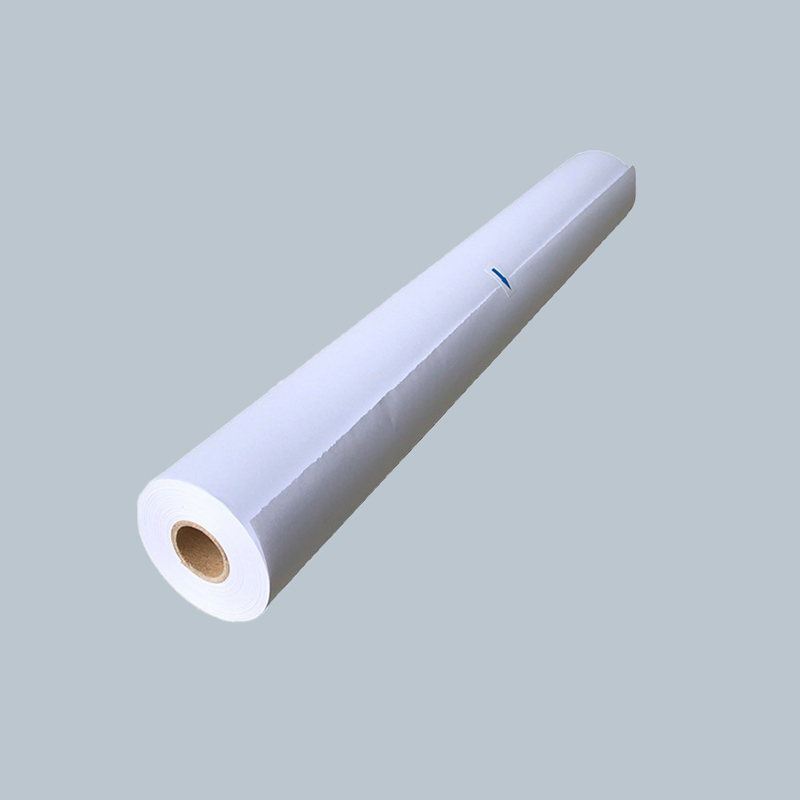 Double Offset Paper for Books in Jumbo Rolls 52-200gsmDesigned for bulk book printing, this double offset paper in jumbo rolls offers high opacity and proper stiffness. It runs smoothly on high-speed presses, reducing jams and maximizing efficiency.View Product → to meet exactly this demand.
Commercial Forms and Brochures
Business forms, letterheads, and multi-page brochures are also common uses for this paper weight. It runs beautifully through high-speed offset presses and laser printers. Because our paper is made on modern, automated machines, it is free from the curl and waviness that can cause jams in high-speed printers. Our 60gsm to 80gsm White Offset Printing Paper for Text-Heavy BooksThis uncoated offset paper offers a natural, non-glare surface ideal for books. With high opacity and ISO certifications, it provides clean whiteness and reliable runnability for commercial printing.View Product → is specifically engineered to provide the runnability that commercial printers depend on.
Copies and General Office Use
While standard copy paper is often 20 lb bond (which is equivalent to 50# offset), many high-volume users prefer 60# offset for its superior feel and durability. It is an excellent choice for internal reports, company manuals, and any document that will be handled frequently.
How 60# Offset Paper Performs on Press
One of the most important aspects of any paper is how it performs during the printing process. 60# offset paper is designed for excellent ink retention and color reproduction. Its uncoated surface provides a good balance between ink absorbency and holdout, which helps maintain sharp dots and clean text. The fiber composition and internal sizing are carefully controlled to minimize issues like linting or picking during the press run. You can read more about the technical aspects of this in our detailed article on how offset paper performs in terms of ink retention.
Another critical performance factor is moisture content. Our 60# offset paper is produced with a carefully controlled moisture profile to ensure dimensional stability. This means it will not expand or contract excessively when exposed to varying humidity levels in the press room or in storage.
Choosing the Right 60# Offset Paper for Your Project
When you are sourcing 60# offset paper, there are a few key factors to consider beyond just the weight.
- Shade: Do you need a bright white, a natural white, or a cream/ivory shade? For books, a natural white is often preferred for reduced glare. For direct mail, a brighter shade can make colors pop.
- Opacity: This is a measure of how much show-through you will get. For a 60# offset, a spec of 90 or higher is typical and desirable for text pages. Lower opacity can be acceptable for single-sided printing.
- Finish: Most 60# offset is "regular finish," but you can also find "vellum" or "smooth" finishes. The finish affects the tactile feel and how ink lays down on the surface.
- Certifications: If you are an environmentally conscious buyer, look for papers with FSC certification, which ensures responsible forest management. Our entire production line is FSC certified, so we can provide sustainable options.
At For-Long, we maintain a permanent stock of over 5,000 different paper items, including a wide range of 60# offset paper in various sizes and rolls. Our experience as a "strong manufacturer" means we can offer this paper with the consistency and quality that serious printers require. We hold ISO9000, ISO14000, and ISO18000 certifications, and our products are SGS and FSC certified as well.
Why Work with a Direct Manufacturer?
When you buy 60# offset paper from a direct manufacturer like For-Long, you are not just buying a commodity product. You are buying into a supply chain that has control over every step of the process. From the selection of wood pulp to the finishing of the final roll, we ensure quality. With over 5300mm wide paper machines and 20 production lines, we have the capacity and the control to deliver exactly what you need, whether it is a standard 60# offset roll or a customized specification.
We understand that every printing project has unique demands. Our team has the technical knowledge to help you select the right paper and troubleshoot any issues. Whether you are printing a 200-page novel or a run of corporate letterhead, we are here to support you.
In conclusion, 60# offset paper is a versatile, reliable, and cost-effective choice for a vast range of printing applications. Understanding its specifications and how it performs will help you make the right decision for your next project. We invite you to experience the difference that true German-engineered manufacturing and rigorous quality control can make in your final print product.