 English
 عربى
عربى Español


Content
Introduction to Bible Paper
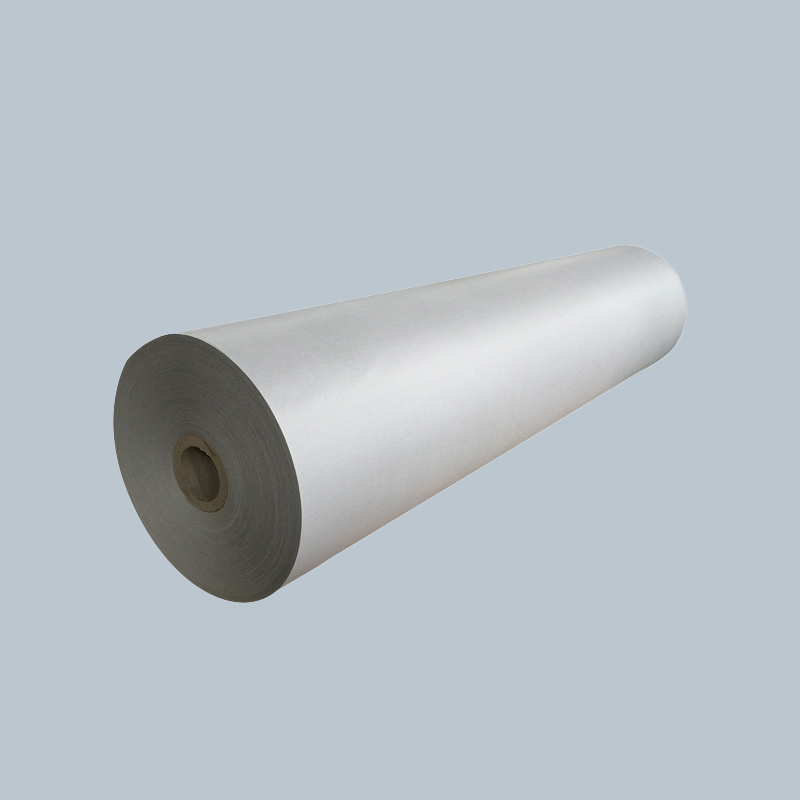
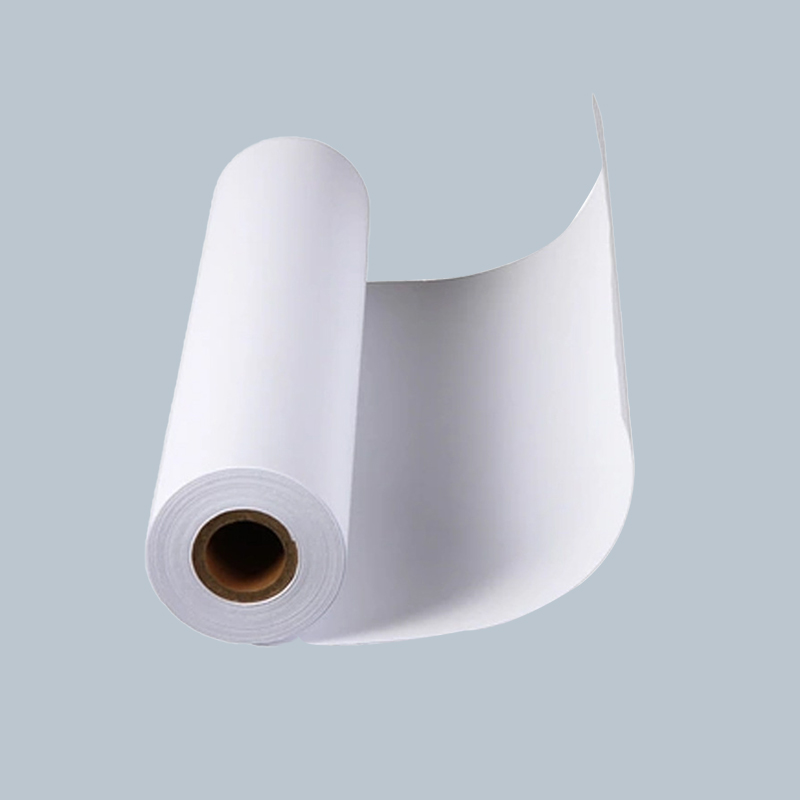
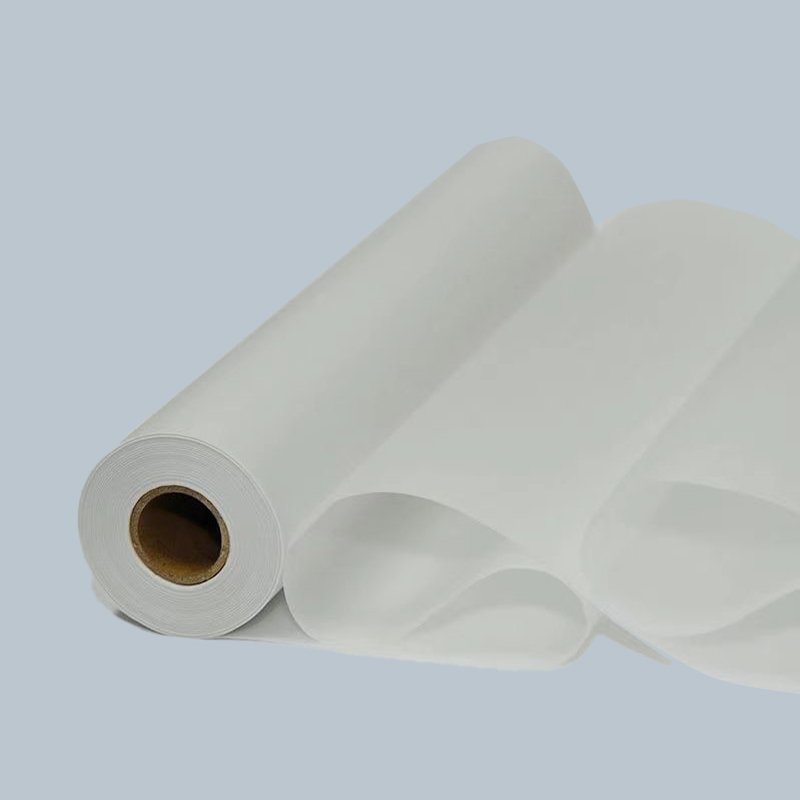
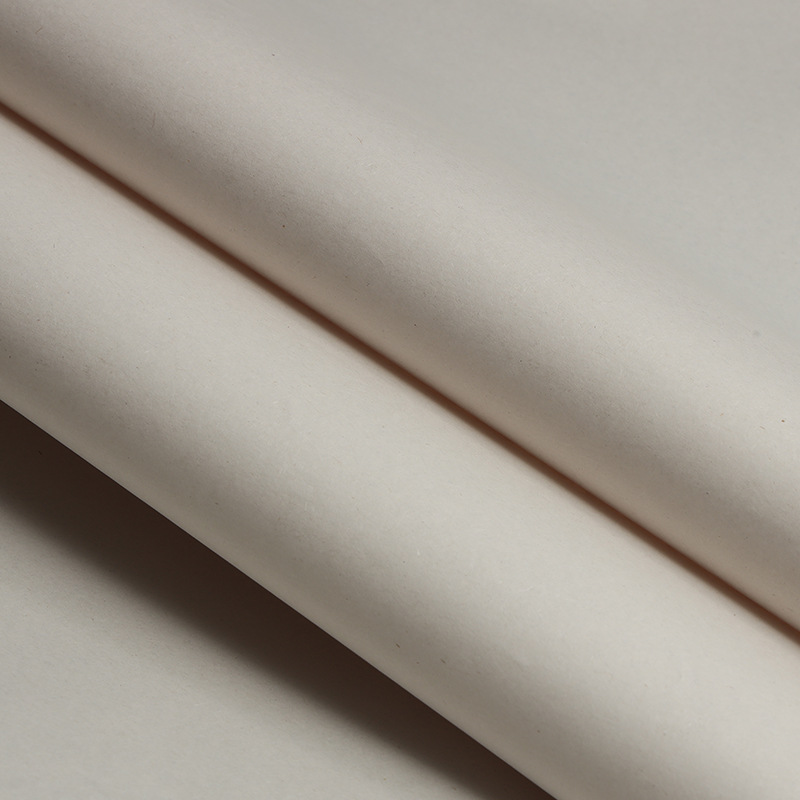
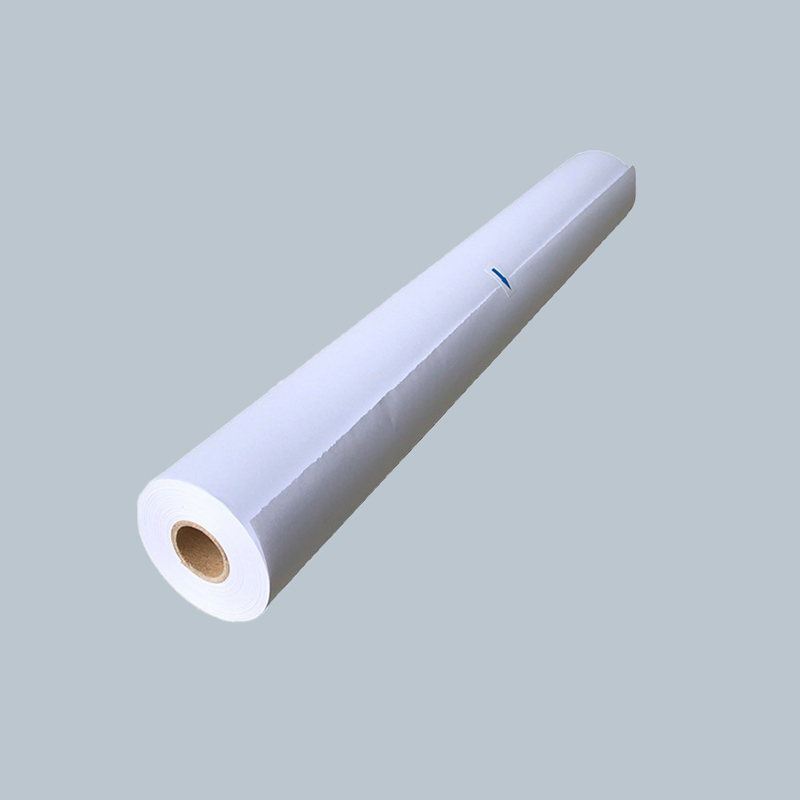
Bible paper, also known as India paper or thin book paper, is a unique type of paper designed for printing large volumes of text in compact books, most notably Bibles. Its distinguishing feature is extreme thinness while maintaining sufficient strength and opacity. This allows publishers to produce Bibles that are portable, lightweight, and easy to hold, despite containing thousands of pages.
Why Bible Paper Is So Thin
The thinness of Bible paper serves several practical purposes. A standard Bible can have over 1,000 pages; using regular paper would make the book excessively bulky and heavy. By using specialized thin paper, publishers can condense the text while keeping the book manageable in size and weight.
Space Efficiency
Thin paper allows for more pages in a single volume without significantly increasing thickness. This is particularly important for study Bibles, reference editions, or compact pocket versions that need to contain complete text, commentary, or cross-references in a convenient format.
Portability and Handling
A Bible printed on normal paper would be cumbersome and difficult to hold for extended periods. Thin Bible paper makes it possible to produce lightweight editions that readers can comfortably carry and use in daily study or worship.
Composition of Bible Paper
Bible paper is made with high-quality pulp and special additives to achieve a balance of thinness, strength, and opacity. Manufacturers often use a combination of cotton or linen fibers, wood pulp, and fillers, resulting in paper that is flexible, tear-resistant, and minimally transparent.
Fiber Selection
High-quality fibers, often from cotton or linen, are used because they provide strength without bulk. Longer fibers help maintain durability even at very thin caliper, preventing tearing or crumpling during printing and handling.
Opacity and Coating
To reduce transparency, which can cause text from one side to show through to the other, fillers like calcium carbonate are added, and the paper surface may receive light coatings. These processes improve readability without adding significant thickness.
How Bible Paper Differs from Normal Paper
Compared to standard office or book paper, Bible paper has several distinctive properties tailored for high-volume, compact books:
| Property | Bible Paper | Normal Paper |
| Thickness | Extremely thin (often 25–50 gsm) | Standard thickness (70–100 gsm) |
| Strength | High for its thinness due to fiber selection | Moderate |
| Opacity | High opacity despite thinness | Moderate opacity, thicker sheets needed for readability |
| Flexibility | Very flexible and foldable without tearing | Less flexible at comparable thickness |
| Purpose | Compact, multi-volume books like Bibles | General printing, office, or books |
Handling and Care of Bible Paper
Due to its thin nature, Bible paper requires careful handling to maintain durability over time. Excessive folding, bending, or moisture exposure can cause tears or warping. Most Bibles are bound in flexible covers and sometimes reinforced with margins to protect the delicate pages. Readers are advised to handle pages gently, avoid excessive pressure when writing notes, and keep the book in a dry environment.
Tips for Maintaining Bible Paper
- Avoid folding pages sharply to prevent creases or tears.
- Use a bookmark rather than bending pages to mark your place.
- Keep the Bible away from moisture to prevent warping or smudging ink.
- Use light pressure if making notes or underlining text.
- Store the Bible upright on a shelf to maintain page alignment.
Conclusion
Bible paper is a specialized material engineered for thinness, strength, and readability, setting it apart from normal paper. Its unique combination of fiber selection, opacity, and flexibility allows publishers to produce compact Bibles that are easy to handle, carry, and use. Understanding the composition and purpose of Bible paper helps readers appreciate its design and maintain it for long-lasting use.